Upgrade & Secure Your Future with DevOps, SRE, DevSecOps, MLOps!
We spend hours scrolling social media and waste money on things we forget, but won’t spend 30 minutes a day earning certifications that can change our lives.
Master in DevOps, SRE, DevSecOps & MLOps by DevOps School!
Learn from Guru Rajesh Kumar and double your salary in just one year.
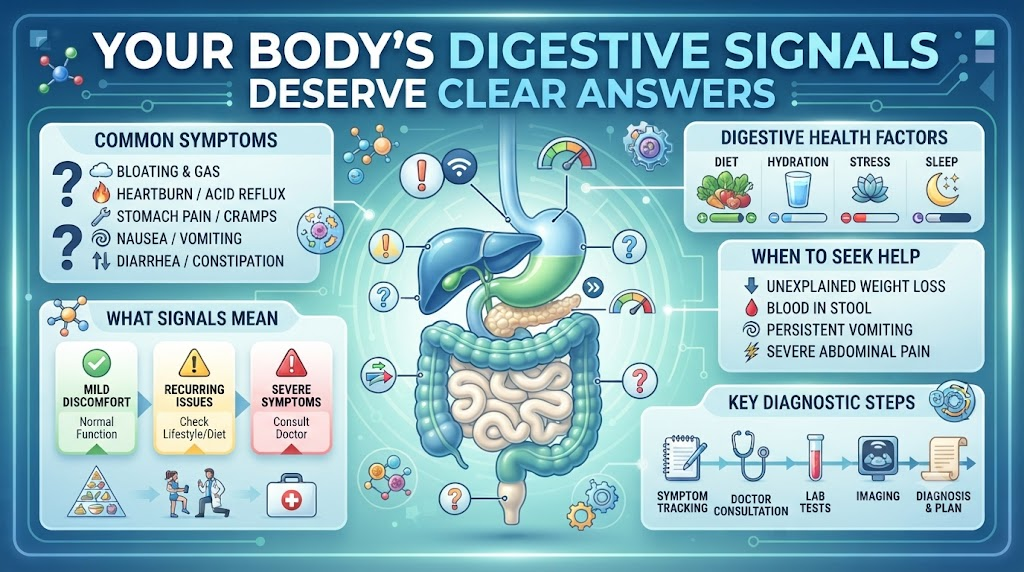
Stomach pain, acid burn, or bowel trouble can feel scary and confusing. Many people wait too long because they do not know what the symptoms mean. Simple facts help you act with calm and care. Good information also guides you toward the right doctor and hospital. GastroHospitals.com works as a clear discovery and education guide for digestive health. It connects patients to trusted centres and specialists without hard medical talk. This blog explains common gut problems in plain words. You will learn when to seek help and how treatments work. The goal is safe, practical knowledge so you can protect your health step by step.
What is GastroHospitals.com?
GastroHospitals.com is a digestive-health directory and education guide. It links patients to 50 leading GI centres and top specialists. The site shares simple medical facts and hospital details. Families use it to find care near them. It focuses on clear guidance rather than complex terms.
Understanding Digestive Disorders
Digestive disorders affect the stomach, bowel, or liver. These problems stop food from moving or breaking down well. Common signs include pain, bloating, loose stools, or burning. Some disorders come from infection. Others last longer and need ongoing care. Early notice of digestive disorders helps stop bigger issues. Most people feel better once they get the right plan.
When Should You See a Gastroenterologist?
A gastroenterologist is a stomach and gut doctor. This specialist checks the full digestive path. See one if pain stays strong for days. Also go if you notice blood in stool or vomit. Constant acid that does not ease with simple steps needs attention. Sudden weight loss without trying is another red flag. A gastroenterologist finds the cause and sets a safe plan. Do not wait when these signs appear.
Common Digestive Conditions & Care
GERD means acid moves up from the stomach. It causes burning in the chest or throat. GERD treatment starts with smaller meals and no late eating. Medicines can lower acid if needed.
Stomach flu or infection brings sudden vomiting and diarrhoea. Gastroenteritis treatment focuses on rest and fluids. Most cases clear in a few days. Soft foods help once vomiting stops.
IBD includes Crohn’s disease and colitis. These cause long-term gut swelling and pain. IBD treatment may use special medicines to calm the swelling. Regular checks keep the bowel safer.
Liver disease treatment supports an organ that cleans blood and makes bile. Fat build-up, infection, or other damage can harm it. Simple steps include healthy food and no alcohol. Doctors watch blood tests and may add medicines.
Medical Comparison Table
| Condition | Common Signs | Daily Care / First Step | When to See a Doctor |
|---|---|---|---|
| GERD / Acid Reflux | Chest burn, sour taste | Smaller meals, raise head at night | Pain lasts weeks or worsens |
| Gastroenteritis | Vomiting, loose stools | Rest, drink fluids slowly | High fever or signs of dry body |
| IBD (Crohn’s / Colitis) | Ongoing pain, blood in stool | Track food triggers, soft diet | Flare lasts or weight drops |
| Liver Issues | Tiredness, yellow skin, belly swell | Healthy food, no alcohol | Yellow skin or swelling grows |
Diagnostic Tests: The Colonoscopy Procedure
A colonoscopy procedure lets the doctor look inside the large bowel. A thin flexible tube with a camera moves gently through the bowel. You take special liquid the day before so the bowel is clean. Clean bowel gives clear pictures. The test finds polyps or early changes. Removing small growths during the test helps prevent serious problems later. Most people feel only mild pressure. You rest a short time after and go home the same day.
Advanced Gastroenterology Treatments & Surgery
Medicines help many people. Sometimes they are not enough. Gastroenterology treatments then move to advanced steps. Endoscopy uses a thin tube to look or treat inside the gut. Gallbladder problems may need removal if stones cause repeated pain. Gastrointestinal surgery can be done with small cuts. These methods mean less pain and faster healing. Doctors choose the safest option for each person.
How to Choose the Best Hospitals for Gastroenterology
Look for expert doctors who focus only on the gut. Modern endoscopy labs give clear and safe tests. Emergency GI care and strong ICU support matter for sudden problems. Clean rooms and good hygiene protect every patient. Honest patient reviews show real experiences. The best hospitals for gastroenterology combine all these points.
| Hospital Factor | Local Clinic | Specialized GI Hospital | Why It Matters |
|---|---|---|---|
| Doctor Focus | General care | Full-time gut specialists | Deeper skill for complex cases |
| Endoscopy Lab | Basic tools | Advanced cameras and tools | Safer and clearer results |
| Emergency Care | Limited hours | 24-hour GI team | Fast help when pain is sudden |
| ICU Support | May not have | Dedicated intensive care | Safer recovery after procedures |
| Hygiene & Reviews | Varies | Strict standards + patient feedback | Builds trust and lowers risk |
Real-Life Scenarios / Patient Stories
- A young adult ate street food and got sudden vomiting. Quick rest and fluids stopped the infection before it worsened.
- A middle-aged person felt daily acid burn for months. Early visit to a specialist fixed the problem with simple changes and medicine.
- A caregiver noticed blood in a parent’s stool. Timely colonoscopy found and removed a small growth.
- A person with repeated right-side pain found gallstones. Minimally invasive surgery ended the pain and allowed fast return to normal life.
8 Common Mistakes Patients Make
- Ignoring chronic heartburn for months.
- Taking leftover antibiotics without advice.
- Delaying a needed colonoscopy.
- Skipping follow-up visits after tests.
- Trying unproven home remedies for long-term pain.
- Stopping medicine the moment symptoms ease.
- Waiting until weight drops before seeking help.
- Choosing a hospital only by nearness instead of skill and facilities.
How GastroHospitals.com Helps Patients
The site lists verified hospitals and specialist profiles. You can compare procedures and read clear medical guides. It helps families find care that matches their needs. Simple education reduces fear and supports better choices.
A Simple 7-Step Patient Action Plan
- Symptom Check – Note pain, stool changes, or acid.
- Track Triggers – Write what you eat and when symptoms start.
- Consult Doctor – See a gastroenterologist for proper advice.
- Diagnosis – Complete tests such as blood work or endoscopy.
- Compare Hospitals – Check expertise, labs, and patient feedback.
- Treatment – Follow the plan with medicines or procedures.
- Recovery – Rest, eat as guided, and attend follow-ups.
Frequently Asked Questions
1. What does a gastroenterologist treat?
A gastroenterologist treats problems of the stomach, bowel, liver, and pancreas. This includes acid issues, infections, swelling, and growths. The doctor uses tests and plans care that fits each person. Early visits often prevent bigger problems.
2. How long does a colonoscopy procedure take?
The colonoscopy procedure itself usually lasts 20 to 40 minutes. You spend extra time for preparation and short rest after. Most people go home the same day. Clear bowel prep makes the test quicker and safer.
3. Can GERD treatment work without strong medicine?
Yes. Many people improve with smaller meals, no late eating, and raising the head of the bed. Weight control and less spicy food also help. A doctor may add medicine only if these steps are not enough.
4. When is gastroenteritis treatment needed at a hospital?
Most cases improve with rest and fluids at home. Go to a hospital if vomiting stops all liquid intake, fever stays high, or the body shows signs of dryness. Children and older adults need extra watch.
5. What is the first step in IBD treatment?
The first step is a clear diagnosis by a specialist. Blood tests, stool checks, and sometimes endoscopy confirm the type of swelling. Then the doctor chooses medicines that calm the gut and protect it long-term.
6. How does liver disease treatment begin?
Liver disease treatment starts with finding the cause. Blood tests and imaging show the level of damage. Simple changes such as healthy food and stopping alcohol form the base. Medicines or other care follow as needed.
7. Are there risks with gastrointestinal surgery?
All surgery carries some risk, yet modern methods keep it low. Small-cut techniques mean less pain and faster healing. Doctors explain possible issues and how they prevent them before any procedure.
8. How do I find the best hospitals for gastroenterology near me?
Look for centres with full-time gut specialists, modern endoscopy labs, and strong emergency support. Check hygiene standards and patient reviews. A directory like GastroHospitals.com helps compare these points clearly.
9. Why does preparation matter for a colonoscopy?
Clean bowel lets the doctor see every part clearly. Leftover material can hide small changes. Good preparation makes the test safer and more useful. Follow the liquid plan exactly as told.
10. Can digestive disorders get better with diet alone?
Some mild cases improve with careful food choices. Others need medicines or further care. A doctor decides what is safe after proper checks. Never stop prescribed treatment on your own.
11. What should caregivers watch for in older family members?
Watch for new pain, blood in stool, sudden weight loss, or ongoing loose stools. Also notice if the person eats far less or feels very tired. These signs need a prompt doctor visit.
12. How often should someone with past polyps have a colonoscopy?
The doctor sets the schedule based on the number and type of polyps. Many people return in three to five years. Following the plan helps catch new changes early.
Conclusion
Listen to your body’s signals and act early. Simple steps and timely care protect the stomach, bowel, and liver. Choose hospitals with skilled doctors, modern tools, and strong support systems. Always verify credentials and follow medical advice. GastroHospitals.com remains a useful guide for clear education and hospital discovery. Take one calm step at a time and keep your digestive health strong.
