Upgrade & Secure Your Future with DevOps, SRE, DevSecOps, MLOps!
We spend hours scrolling social media and waste money on things we forget, but won’t spend 30 minutes a day earning certifications that can change our lives.
Master in DevOps, SRE, DevSecOps & MLOps by DevOps School!
Learn from Guru Rajesh Kumar and double your salary in just one year.
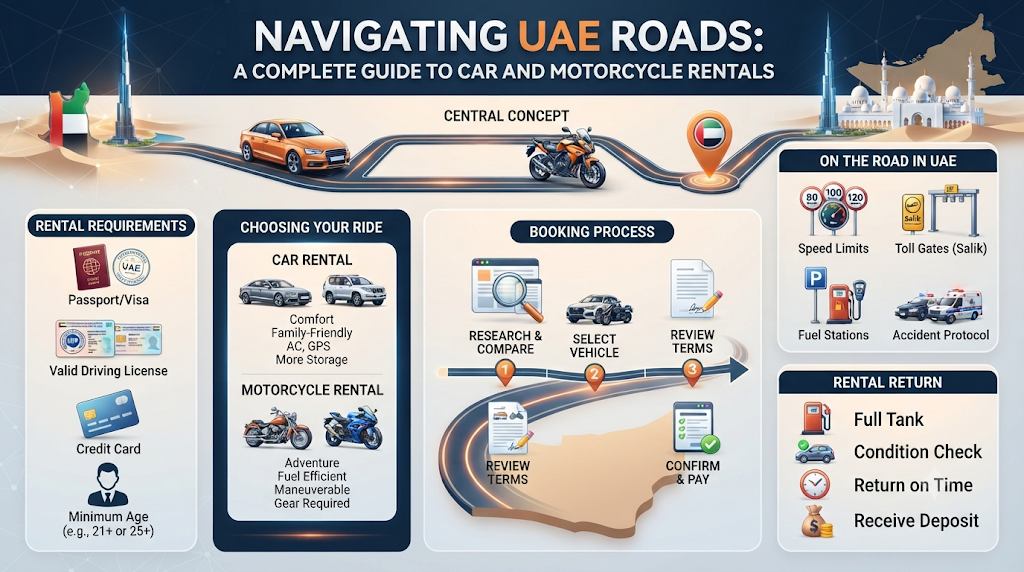
Stepping out of Dubai International Airport or arriving in Abu Dhabi brings an immediate travel choice. Public transit covers major hubs, yet wide highways and spread-out districts make personal wheels far more practical. Whether you want a sleek sedan for client meetings, a weekend sportbike, or a better way to run a local fleet, understanding how rentals work saves time and money. At MotoShare Gulf, travelers, residents, and fleet operators can explore vehicles online and connect directly with participating providers and owners.
Comparing motorcycle rental Dubai alongside car rental Dubai, car rental Abu Dhabi, and motorcycle rental Abu Dhabi helps you pick the right ride before you travel. You do not need any prior rental experience to follow this guide. We explain every step in plain English—from license checks and deposits to luxury car terms, two-wheel safety, peer-to-peer sharing, and fleet management software.
How UAE Vehicle Rentals and Marketplaces Work
Before browsing listings, it helps to understand how different rental models operate across the Emirates.
Agency Fleets vs. Online Rental Marketplaces
A traditional rental company buys or leases its own vehicles and rents them from physical branches under one rulebook. An online vehicle rental marketplace brings many providers and individual owners together on a single website.
Through a peer-to-peer car rental UAE model, vehicle owners and local rental partners list their cars or bikes online so customers can compare prices and styles side by side. Actual availability, insurance coverage, and deposit terms always depend on the specific listing, provider, and UAE transport laws.
Everyday Cars, Luxury Models, and Motorcycles
- Standard car rental includes compact hatchbacks, mid-size sedans, and family SUVs built for daily commutes and highway trips.
- Luxury car rental Dubai and luxury car rental Abu Dhabi options cover high-end sedans, prestige SUVs, and exotic coupes. These vehicles carry higher security deposits, stricter age rules, and tighter daily kilometer caps.
- Motorcycle rental offers licensed riders two-wheeled freedom, ranging from nimble city bikes to high-performance machines.
What Rental Management Software Does
For fleet operators, rental management software replaces scattered paper logs and spreadsheets with one digital dashboard. It tracks active bookings, vehicle availability, customer IDs, payments, and basic business reports. MotoShare Gulf advertises a free vehicle rental management software UAE solution for local agencies and owners; operators should review live features and terms directly on the platform before adopting it.
Four Real-World Reasons People Rent in the UAE
Renting a car or motorcycle solves distinct mobility challenges across Dubai, Abu Dhabi, and neighboring emirates:
- Flexible sightseeing for visitors: Tourists can visit coastal promenades, cultural landmarks, and desert viewpoints on their own clock rather than waiting for cabs.
- Direct business travel: Executives moving between business districts or driving between Dubai and Abu Dhabi gain reliable door-to-door control.
- Gap mobility for UAE residents: New arrivals waiting for a local bank loan, residents whose personal car is in the workshop, or families hosting relatives can rent by the day or week.
- Weekend riding and special occasions: Motorcyclists and car enthusiasts often book performance rides during cooler autumn and winter months, when seasonal demand rises and early booking matters.
Keep expectations realistic: vehicle stock, daily rates, and handover rules shift by provider and season, so always verify live details before confirming.
Matching the Machine to Your Trip
Choosing the right category keeps your drive comfortable, safe, and within budget.
Motorcycle Categories
- Sports bikes and performance machines: Engineered for sharp cornering, rapid acceleration, and strong braking. Riders looking into a Ducati motorcycle rental Dubai listing or sports bike rental Abu Dhabi options need proven big-bike experience, and exact models always depend on live stock.
- Touring motorcycles: Built for longer highway distances with upright posture, windscreens, and storage cases.
- Standard and street bikes: Great for moderate urban rides and smooth control, with brands such as Benelli, BMW, Aprilia, and CFMoto appearing in regional listings depending on current availability.
Car Categories
- Economy cars and sedans: Easy to park in tight mall garages and light on fuel for solo travelers or couples.
- SUVs and family vehicles: Deliver generous legroom, trunk space, and elevated road visibility for families or inter-emirate road trips.
- Luxury, sports, and exotic vehicles: Chosen for weddings, executive hosting, or weekend driving—always confirm current availability and rules before booking.
Dubai and Abu Dhabi: Practical Road Differences
While both emirates share smooth multi-lane highways and strict traffic cameras, local habits differ slightly:
- Selection and pickup: Both cities offer economy cars, SUVs, luxury vehicles, and motorcycles, though specific models vary by provider and date. Some operators offer branch pickup, while others deliver to hotels, homes, or airports for an agreed fee.
- Electronic road tolls: Dubai and Abu Dhabi use automated toll gates on major highways. Providers typically log toll passes electronically and bill them at return or deduct them from your deposit.
- Parking zones: Street parking requires paid tickets or mobile app payments during active hours, while residential zones often require resident permits. Always read nearby parking signs before leaving your vehicle.
- Highway speeds: Speed limits change quickly between city streets and main expressways, and radar cameras enforce limits strictly with zero guesswork.
Nine-Step Blueprint for Renting a Vehicle
Follow this simple checklist from initial search to final handover:
- Define your mission: Pick a car or motorcycle based on passenger count, luggage, route length, and your real driving or riding skill.
- Choose your city and schedule: Set Dubai, Abu Dhabi, or another supported location along with exact pickup and drop-off times.
- Compare listings side by side: Look at daily rates, included mileage, fuel policies, and deposit amounts across multiple providers.
- Check total costs upfront: Add up base rates, delivery charges, optional insurance upgrades, and applicable taxes.
- Verify your license and age: Make sure your license class, nationality rules, and age meet UAE law and provider terms.
- Review insurance and deposit rules: Read what basic coverage includes, what deductible applies, and how many days deposit refunds take.
- Lock in your reservation: Submit clear ID and contact details through the booking process.
- Inspect the vehicle before leaving: Walk around the car or bike in bright light, take timestamped photos of every panel, wheel, and tire, check lights and fuel, and verify vehicle papers.
- Return on time and document handover: Bring the vehicle back at the agreed time and fuel level, sign the return form, and keep receipts until your deposit clears.
Documents, Eligibility, and UAE Rules
Required paperwork varies by residency status, vehicle class, and provider policies. Always double-check official UAE government guidance and provider terms before booking:
- Identity proof: UAE residents present a valid Emirates ID, while visitors present a passport with entry stamp or visa page.
- Driving or riding license: Residents must hold a valid UAE license matching the vehicle type (car or motorcycle). Tourists need an accepted home-country license and, depending on nationality and current UAE rules, an International Driving Permit (IDP) or official translation.
- Age and experience thresholds: Providers often require drivers and riders to be older—and hold a license for a minimum number of years—before renting luxury cars or high-displacement motorcycles.
- Payment card and security deposit: Most providers require a credit or debit card in the primary driver’s name to pay rental fees and place a refundable security deposit hold.
- Rental contract: Keep a digital or printed copy of your agreement in the vehicle during every trip.
Motorcycle Safety and Riding Preparation in the Gulf
Hot weather, high highway speeds, and occasional blown sand require disciplined riding habits:
- Full riding gear: Wear a certified helmet, ventilated armored jacket, riding gloves, long abrasion-resistant pants, and sturdy over-the-ankle boots.
- Honest skill matching: Powerful bikes found in a Ducati motorcycle rental Dubai or sports bike rental Abu Dhabi search react quickly to throttle and brake inputs. Never rent a high-output motorcycle unless you already have solid big-bike road experience.
- Five-minute pre-ride check: Inspect tire pressure and tread depth, front and rear brake feel, chain slack, mirrors, horn, headlights, brake lights, indicators, and fuel level before rolling out.
- Smart road positioning: Stay out of car blind spots, watch for sudden lane changes near highway exits, hydrate well in warm weather, and leave generous braking space.
Luxury and Exotic Car Rules Every Driver Must Know
High-value cars carry stricter terms than standard daily rentals:
- Larger security holds: Refundable deposits are much higher to cover potential wheel, bumper, or deductible costs.
- Stricter driver screening: Expect higher minimum age requirements and clean driving history checks.
- Tighter kilometer limits: Daily mileage caps are often lower, with higher per-kilometer fees if you drive past the limit.
- Extra care on ramps and curbs: Low front splitters can scrape steep speed bumps or parking curbs, so approach angles slowly and choose wide, secure parking bays.
Peer-to-Peer Vehicle Rentals in the UAE Explained
In a peer-to-peer vehicle rental marketplace, individual owners and participating local rental partners list vehicles online so customers can browse and book directly.
| Comparison Factor | Traditional Rental Agency | Peer-to-Peer Rental Marketplace |
|---|---|---|
| Who Owns the Fleet | Owned or leased by one corporate agency | Listed by participating owners and local rental partners |
| Vehicle Selection | Standardized commercial fleet models | Diverse mix of daily cars, specialty bikes, and unique listings |
| Discovery Process | Single-company website or airport counter | Side-by-side comparison across multiple providers and owners |
| Terms & Insurance | Uniform branch rules across locations | Varies by specific listing, provider policy, and UAE rules |
In the UAE, both vehicle owners and renters must ensure every rental follows applicable transport, registration, commercial licensing, and insurance laws. Never assume a private vehicle can be rented out without proper legal and insurance compliance.
Understanding Rental Pricing and Security Deposits
Your final rental bill reflects several clear components:
- Base rate and rental length: Daily, weekly, or monthly pricing varies by vehicle class, model year, and season.
- Pickup and delivery: Branch pickup is often included, while hotel, home, or airport delivery may carry a separate charge.
- Mileage, tolls, and traffic fines: Extra kilometers, electronic road tolls, paid parking, and any traffic fines are billed per your agreement.
- Refundable deposit hold: Providers hold a temporary deposit to cover potential damage, unpaid tolls, or late fees, releasing it after return checks finish.
For example, in a hypothetical three-day booking at AED 220 per day (AED 660 base), adding AED 50 for doorstep delivery and a AED 1,500 refundable security deposit hold means paying AED 710 for the rental plus the temporary AED 1,500 hold. Actual prices and deposit amounts vary widely by provider and vehicle.
Digital Tools for UAE Rental Agencies and Fleet Owners
Running a growing car or motorcycle fleet on spreadsheets quickly leads to double bookings, missed service intervals, and slow billing. Vehicle rental management software brings daily tasks into one organized workspace:
- Live fleet and booking calendar: See which vehicles are out on rent, reserved next week, or undergoing maintenance.
- Customer and payment tracking: Store renter IDs, signed contracts, deposit holds, and payment statuses neatly.
- Basic operational reporting: Track fleet utilization and revenue trends to plan seasonal pricing and maintenance.
Agencies and independent operators exploring free vehicle rental management software UAE options—such as the business tool advertised by MotoShare Gulf—should check exact features, user limits, and onboarding rules directly on the platform.
Practical Habits for Better Fleet Operations
Rental businesses and vehicle owners can build stronger customer trust with five simple habits:
- Keep availability current: Update calendars immediately when a car or bike is booked or enters servicing.
- State all rules upfront: Display deposit amounts, mileage caps, fuel policies, and late fees clearly before checkout.
- Standardize photo inspections: Take clear check-in and check-out photos of every angle to prevent condition disputes.
- Follow strict maintenance schedules: Check tires, brakes, fluids, and batteries on time—especially during intense UAE summer heat.
- Send clear handover instructions: Share exact map pins, parking details, and emergency contact numbers ahead of pickup.
Common Mistakes Renters and Operators Should Avoid
Pitfalls for Renters
- Booking before checking license rules: Always confirm your home license or IDP works in the UAE for cars or motorcycles.
- Skipping insurance fine print: Know your deductible amount and which incidents basic insurance excludes.
- Forgetting pickup photos: Failing to document existing scratches or wheel scuffs can lead to charges at return.
- Ignoring daily kilometer caps: Check allowed mileage before driving long distances between emirates.
- Returning late without calling ahead: Even a short unannounced delay can trigger an extra day’s rental fee.
Pitfalls for Businesses
- Leaving stale listings active: Outdated rates or unavailable cars frustrate customers and waste staff time.
- Managing reservations across scattered chats: Disorganized messages cause double bookings and missed handovers.
- Delaying tire and brake checks: Skipping routine inspections hurts rider safety and leads to costly breakdowns.
Smart Recommendations for a Smooth Experience
- For renters: Compare multiple listings, verify documents and insurance coverage early, inspect the vehicle thoroughly at pickup, obey UAE speed and parking laws, and choose a vehicle suited to your real experience.
- For businesses: Maintain accurate listings, use clear rental contracts and photo checklists, stick to preventive maintenance, explain fees transparently, and test rental management software to simplify daily workflows.
Emerging Trends in Gulf Vehicle Mobility
The UAE vehicle rental space continues to adopt practical new tools:
- Faster digital check-in: Online comparison, digital ID uploads, and paperless contracts are shortening pickup wait times.
- Flexible shared models: Peer-to-peer marketplaces and short-term flexible rentals are expanding alongside traditional rental branches.
- Connected and electric fleets: GPS telematics, automated service alerts, and electric or hybrid vehicles are gradually appearing across select UAE fleets.
How MotoShare Gulf Connects Renters and Providers
MotoShare Gulf operates as an online vehicle rental marketplace designed to help users discover car and motorcycle rentals across locations such as Dubai and Abu Dhabi. Customers can compare vehicle categories, review daily pricing, and connect with participating owners or rental agencies, while fleet operators can list vehicles and explore a free vehicle rental management software offering. As with any marketplace, always verify live vehicle availability, contract terms, and software features directly on the platform.
Frequently Asked Questions
1. How do I arrange a motorcycle rental in Dubai safely?
Start by confirming that your driving license covers motorcycles in the UAE and meets the provider’s minimum age and experience rules. Compare Dubai motorcycle listings, review insurance, helmet, and deposit policies, confirm your booking, and inspect tires, brakes, and lights at pickup.
2. What documents are needed for a car rental in Abu Dhabi?
UAE residents typically present a valid Emirates ID and UAE driving license. Tourists usually need a passport, entry visa or stamp, an accepted home-country driving license, an International Driving Permit where required, and a payment card for rental fees and security deposits.
3. Can tourists legally rent motorcycles or sports bikes in the UAE?
Yes, visitors can rent motorcycles if they hold a valid motorcycle license recognized under current UAE rules, carry an International Driving Permit if required, meet minimum age limits, and satisfy the provider’s insurance and deposit conditions.
4. What should riders check before booking a Ducati motorcycle rental in Dubai or sports bike rental in Abu Dhabi?
Verify your big-bike riding experience, confirm license eligibility and live model availability, review security deposit and insurance excess terms, and make sure you wear full protective riding gear suited to UAE highway conditions.
5. How is a luxury car rental in Dubai or Abu Dhabi different from an economy car rental?
Luxury rentals generally carry higher refundable security deposits, stricter minimum age and driving-experience thresholds, tighter daily mileage allowances, and higher fees for excess kilometers or damage deductibles.
6. How does peer-to-peer car rental in the UAE work?
A peer-to-peer marketplace lets individual owners and participating local providers list cars or motorcycles online so renters can compare and book them. Eligibility, insurance coverage, and legal compliance depend on the specific listing, provider terms, and UAE transport laws.
7. Why do UAE rental providers require a security deposit?
A refundable security deposit protects the vehicle owner or rental company against potential damage, unpaid road tolls, traffic fines, fuel differences, or late return charges. Always confirm the exact refund timeline in your rental contract.
8. What factors influence car and motorcycle rental prices in the UAE?
Total rates depend on vehicle category and model, rental duration, seasonal travel demand, pickup city, doorstep delivery options, daily mileage limits, insurance upgrades, and optional extras.
9. Who can use free vehicle rental management software in the UAE?
Independent vehicle owners, small rental agencies, and growing fleet operators use rental management software—such as the free solution advertised by MotoShare Gulf—to organize bookings, vehicle availability, customer records, payments, and basic reporting.
10. What should I check during a vehicle pickup inspection?
Walk around the car or motorcycle in good light, take photos or video of any existing scratches, dents, or wheel scuffs, test headlights, brake lights, and indicators, check tire tread and fuel level, and make sure existing marks are noted on the handover form.
11. What happens if I drive past the daily mileage allowance?
Most UAE rentals set a daily or total kilometer limit. Driving beyond that cap incurs a per-kilometer excess fee stated in your rental contract, which is billed at return or deducted from your security deposit.
12. Are online marketplace listings guaranteed to be available on my dates?
No. Vehicle availability changes continuously based on active bookings, maintenance schedules, and seasonal demand, so always confirm real-time availability and booking confirmation with the provider.
Conclusion
Getting around Dubai, Abu Dhabi, or the wider UAE by car or motorcycle—or managing a local rental fleet—becomes far easier when you verify the rules upfront. Checking license eligibility, comparing insurance and deposit terms, inspecting vehicles carefully at pickup, and keeping fleet records organized protect both renters and providers. Take a few minutes to confirm official UAE guidelines and provider terms so every mile on the road stays smooth and stress-free.
