Upgrade & Secure Your Future with DevOps, SRE, DevSecOps, MLOps!
We spend hours scrolling social media and waste money on things we forget, but won’t spend 30 minutes a day earning certifications that can change our lives.
Master in DevOps, SRE, DevSecOps & MLOps by DevOps School!
Learn from Guru Rajesh Kumar and double your salary in just one year.
Introduction
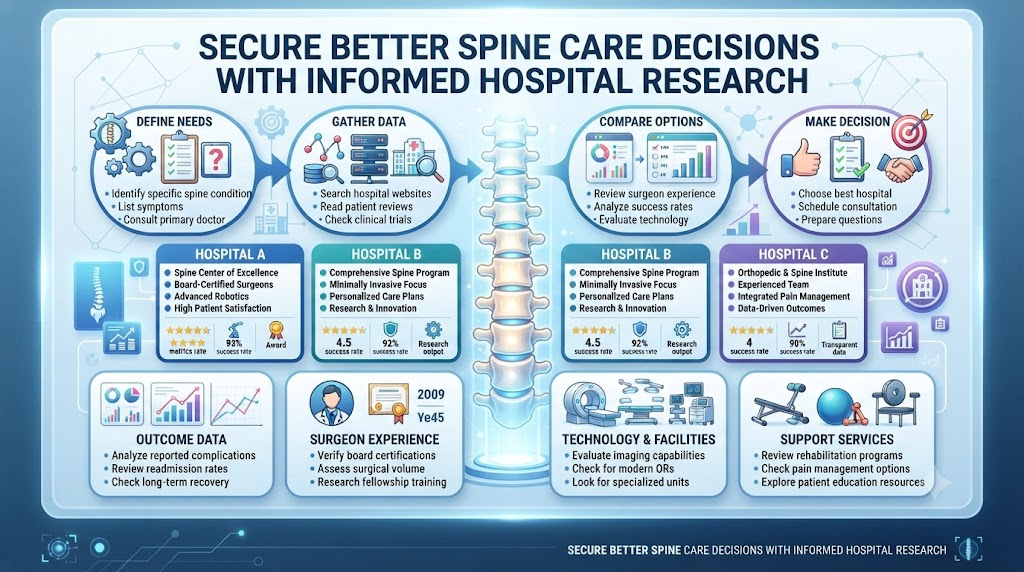
When a person starts looking for spine treatment, the biggest challenge is often not finding hospitals but knowing how to compare them. Search results may show many facilities describing themselves as leading spine hospitals, along with specialists, surgical procedures, and treatment programs. Someone looking for the best spine hospitals for a slipped disc may have very different needs from a patient being evaluated for scoliosis surgery. Similarly, someone searching for the best hospital for spine surgery may need to consider surgical facilities, specialist experience, rehabilitation, and follow-up care together. can help patients research spine hospitals, specialists, and treatment-related information before discussing their options with a qualified healthcare professional. This guide takes a decision-making perspective. Instead of focusing only on hospital names, it explains the practical factors patients can review when comparing spine-care options.
What Should Come First: The Hospital or the Diagnosis?
For many patients, hospital research starts before they fully understand their condition. This is understandable, especially when pain or other symptoms are causing concern.
However, the type of medical problem can make a major difference in choosing appropriate care.
Spine-related conditions may include:
- Herniated or slipped discs
- Spinal stenosis
- Scoliosis
- Spinal deformities
- Nerve compression
- Degenerative spine conditions
- Certain spinal injuries
- Neck or back conditions requiring specialist assessment
These conditions do not all require the same treatment.
A qualified healthcare professional should evaluate symptoms, medical history, physical findings, and appropriate investigations before determining the diagnosis and treatment plan.
Once patients understand their medical situation, they can make their hospital research more specific.
What Separates One Spine Hospital From Another?
Patients often compare hospitals based on reputation, but several practical factors may be more useful.
Specialist Expertise
Look for specialists with experience relevant to the patient’s condition.
Spine care can involve professionals such as:
- Orthopedic spine surgeons
- Neurosurgeons
- Neurologists
- Radiologists
- Pain specialists
- Physiotherapists
- Rehabilitation professionals
Not every patient needs all of these specialists. The appropriate team depends on the diagnosis and treatment requirements.
Relevant Experience
A hospital may offer many medical services, but patients should ask whether its spine specialists have experience with the particular problem being evaluated.
For example, a patient researching scoliosis may want to know about experience with spinal deformity. Someone considering disc surgery may want information about the specialist’s experience with similar procedures.
Treatment Choices
A hospital can also be evaluated based on whether it provides both surgical and non-surgical treatment options when clinically appropriate.
This can help patients understand that treatment is not automatically limited to surgery.
Why Specialist Selection Matters
When people search for the best spine surgeons, they may focus heavily on online ratings or general popularity.
A more useful approach is to investigate professional factors.
Patients can consider:
- Relevant medical qualifications
- Specialist training
- Area of practice
- Experience with similar conditions
- Experience with relevant procedures
- Hospital affiliation
- Communication
- Follow-up arrangements
A consultation should also provide an opportunity to ask questions.
Patients may want to know what the diagnosis means, what treatment choices exist, why a particular treatment is being considered, and what alternatives may be available.
Diagnostic Services: Look for Appropriate Evaluation
Good treatment planning begins with appropriate evaluation.
Depending on the patient’s symptoms and suspected condition, a specialist may use:
- Medical history
- Physical examination
- X-rays
- MRI
- CT scans
- Neurological assessment
- Other appropriate investigations
Not every patient needs every test.
The important consideration is whether the hospital can provide suitable diagnostic evaluation when required.
Patients should also understand that an imaging report alone does not necessarily determine treatment. A specialist generally considers imaging alongside symptoms, physical findings, medical history, and other clinical information.
Why a Good Spine Hospital Should Not Focus Only on Surgery
The word “spine” is often associated with surgery, but many spine problems can be managed without an operation depending on the diagnosis.
Possible treatment approaches may include:
- Physical therapy
- Medicines
- Exercise
- Activity modification
- Pain management
- Rehabilitation
- Other non-surgical treatment
- Surgery in selected situations
This is an important point for people researching spine surgery hospitals.
A hospital’s ability to perform surgery is valuable when surgery is clinically necessary, but it should not be assumed that surgery is the right treatment for every patient.
Patients should ask whether non-surgical treatment is appropriate before moving forward with an operation.
Choosing the Best Hospital for Spine Surgery
When surgery has been recommended, patients need to look beyond the procedure itself.
The quality of the overall care pathway matters.
Before Surgery
Patients may undergo:
- Specialist assessment
- Diagnostic imaging
- Medical evaluation
- Preoperative testing
- Anesthesia assessment
- Discussion of risks and alternatives
Before consenting to treatment, patients should understand why surgery has been recommended and what the procedure is intended to address.
During Surgery
When comparing the best hospital for spine surgery, patients may consider:
- Appropriate operating facilities
- Qualified surgical teams
- Anesthesia services
- Patient monitoring
- Inpatient facilities
- Emergency support
After Surgery
The recovery stage can include:
- Follow-up appointments
- Physical therapy
- Rehabilitation
- Activity guidance
- Recovery monitoring
- Additional evaluation when needed
Looking at the entire journey can provide a more realistic picture of hospital care than focusing only on the operation.
What About Minimally Invasive Spine Surgery?
Another common search is for the best hospital for minimally invasive spine surgery.
Minimally invasive techniques are used for certain spinal procedures and may be suitable for selected patients. However, they are not automatically appropriate for every condition.
The suitability of a minimally invasive approach can depend on:
- The diagnosis
- Location of the problem
- Spinal anatomy
- Severity of the condition
- Procedure required
- Overall health
- Specialist evaluation
Patients should therefore ask about the medical reason for choosing a particular surgical technique.
Useful questions include:
- Is minimally invasive surgery appropriate for my condition?
- What procedure is being considered?
- What alternatives are available?
- What are the potential risks?
- What type of follow-up will I need?
The important point is to choose the appropriate treatment, not simply the treatment with the most appealing name.
Finding the Best Hospital for Slipped Disc Treatment
A slipped disc, also known as a herniated disc, can sometimes irritate or compress nearby nerves.
Depending on the location and severity of the problem, symptoms may include:
- Back or neck pain
- Pain extending into an arm or leg
- Numbness
- Tingling
- Weakness
Patients searching for the best hospital for slipped disc treatment should look for a facility that can properly evaluate the condition and explain treatment options.
Depending on the individual situation, treatment may involve:
- Physical therapy
- Medicines
- Activity modification
- Pain management
- Other conservative treatment
- Surgery in selected cases
Having a slipped disc does not automatically mean that surgery is required.
A specialist should consider the patient’s symptoms, examination, imaging, medical history, and response to previous treatment before recommending an approach.
Finding the Best Hospital for Scoliosis Surgery
Scoliosis treatment is another area where hospital selection requires careful research.
The condition can vary significantly between patients, and treatment depends on factors such as the nature and severity of the spinal curvature.
Some patients may require monitoring or non-surgical treatment. Others may need evaluation for surgery.
When searching for the best hospital for scoliosis surgery, patients can compare:
- Experience with scoliosis
- Spinal deformity expertise
- Diagnostic services
- Specialist availability
- Surgical facilities
- Rehabilitation
- Follow-up care
Patients should ask the specialist to explain why a particular treatment is being considered and what other appropriate options may exist.
Rehabilitation Can Affect the Overall Patient Experience
Patients often concentrate on finding the right specialist and hospital for diagnosis or surgery. Rehabilitation may receive less attention.
Depending on the condition and treatment, recovery support may involve:
- Physical therapy
- Exercise guidance
- Mobility training
- Pain management
- Follow-up consultations
- Recovery monitoring
For patients who need ongoing therapy, the availability and accessibility of rehabilitation services can become an important part of hospital selection.
This is especially relevant when comparing best spine treatment hospitals.
Is Multidisciplinary Care Necessary?
Some spine problems are complex and may benefit from input from multiple healthcare professionals.
Depending on the situation, a care team may include:
- Spine surgeons
- Neurosurgeons
- Neurologists
- Radiologists
- Pain specialists
- Physiotherapists
- Rehabilitation specialists
The goal is not to involve as many specialists as possible. Instead, the goal is to have the appropriate expertise available when the patient’s condition requires it.
A patient with a straightforward condition may not need a large multidisciplinary team.
How to Compare Spine Hospitals Without Getting Overwhelmed
Patients can create a simple comparison list before making a decision.
| Comparison Factor | What to Review |
|---|---|
| Specialist expertise | Relevant experience with the condition |
| Diagnosis | Appropriate examination and imaging |
| Treatment options | Surgical and non-surgical approaches |
| Surgery | Facilities and specialist support |
| Rehabilitation | Therapy and recovery services |
| Follow-up | Post-treatment monitoring |
| Accessibility | Travel and appointment convenience |
| Emergency care | Availability of urgent services |
| Communication | Clear and understandable explanations |
This method can turn a long list of hospitals into a more manageable comparison.
Instead of asking which hospital is universally the best, ask which hospital appears appropriate for the specific healthcare requirements involved.
Best Spine Hospital Near Me: What Should Location Mean?
The search for a best spine hospital near me usually reflects a practical concern.
Patients may prefer a nearby hospital because regular travel can become difficult when treatment involves several appointments.
Location can matter for:
- Specialist consultations
- Diagnostic testing
- Physical therapy
- Rehabilitation
- Follow-up visits
- Ongoing care
However, proximity should be balanced with medical suitability.
The nearest hospital may not always have the specific specialist expertise or services required.
For complex conditions, patients may consider whether traveling to another location would provide access to more relevant specialist care.
How to Prepare for Your First Spine Consultation
Hospital research is only one part of the process. Patients can also prepare for the specialist appointment.
Bring or organize:
- Previous medical records
- Imaging reports
- Available scan images
- Medication details
- Previous treatment information
- A list of symptoms
- Questions about treatment
It can also help to note when symptoms began and whether they affect work, sleep, movement, or other daily activities.
Preparation can help patients make better use of their consultation time.
Questions That Can Help With Hospital Comparison
Before choosing between best spine treatment hospitals, patients can ask the same basic questions at each facility.
For example:
- What is my diagnosis?
- What could be causing my symptoms?
- What treatment options are available?
- Do I need surgery?
- Are there appropriate non-surgical alternatives?
- Would minimally invasive treatment be suitable?
- What are the possible risks and benefits?
- Which specialist will manage my treatment?
- What rehabilitation might be needed?
- How will follow-up care be handled?
The answers can help patients understand whether the hospital’s services match their requirements.
Why Hospital Rankings Are Only One Research Tool
Hospital rankings and online reviews can provide useful background information, but they should not be treated as the final answer.
A highly rated hospital may not necessarily have the specific expertise required for a patient’s condition.
Patients can use online research to investigate:
- Specialist profiles
- Hospital services
- Treatment options
- Diagnostic facilities
- Rehabilitation
- Location
- Follow-up arrangements
This information should then be discussed with a qualified healthcare professional.
Using BestSpineHospitals.com for Initial Research
Patients looking for information about spine hospitals and treatment options can visit .
The website can help patients begin their research and understand some of the factors involved in comparing spine-care options.
However, online information should not be used to diagnose a condition or decide on a treatment without professional medical evaluation.
FAQs
FAQ 1
How should patients compare the best spine hospitals?
Patients can compare specialist expertise, relevant experience, diagnostic facilities, treatment options, surgical capabilities, rehabilitation, accessibility, and follow-up care. The right choice depends on the patient’s individual needs.
FAQ 2
What should I consider when searching for the best spine surgeons?
Consider relevant qualifications, specialist training, experience with similar conditions or procedures, hospital affiliation, communication, and follow-up arrangements.
FAQ 3
What makes a hospital a good choice for spine surgery?
Patients can review the surgical team’s expertise, diagnostic facilities, operating infrastructure, anesthesia support, inpatient services, emergency care, rehabilitation, and postoperative follow-up.
FAQ 4
Can spine conditions be treated without surgery?
Yes. Depending on the condition, treatment may include physical therapy, medicines, exercise, activity modification, pain management, rehabilitation, or other non-surgical approaches. Surgery is appropriate only in selected situations.
FAQ 5
How do I choose the best hospital for minimally invasive spine surgery?
Ask whether the technique is appropriate for your condition, what alternatives are available, and why the specialist recommends that approach. Treatment should be based on clinical evaluation rather than marketing claims.
FAQ 6
What should I look for in the best hospital for scoliosis surgery?
Consider scoliosis and spinal deformity expertise, diagnostic services, specialist availability, surgical facilities, rehabilitation, and follow-up care. A qualified specialist should determine whether surgery is appropriate.
FAQ 7
How can I find the best hospital for slipped disc treatment?
Look for a hospital that can properly evaluate the condition and provide appropriate non-surgical and surgical options when needed. Treatment depends on the patient’s symptoms, examination, imaging, and medical history.
FAQ 8
Why is rehabilitation important when choosing the best spine treatment hospitals?
Some patients may need physical therapy, exercise guidance, recovery monitoring, or follow-up after treatment. Access to these services can therefore be an important part of hospital comparison.
FAQ 9
Is the best spine hospital near me always the most suitable hospital?
Not necessarily. A nearby hospital may be convenient, but specialist expertise, relevant treatment services, facilities, and follow-up care should also be considered.
FAQ 10
When should I consult a qualified spine specialist?
Consult a qualified healthcare professional when spine symptoms persist, worsen, interfere with daily activities, or require specialist assessment. The specialist can determine what evaluation or treatment may be appropriate.
Conclusion
Choosing a spine hospital is ultimately about finding appropriate care rather than identifying a hospital that is “best” for everyone.
Patients can make the process easier by first understanding their healthcare needs and then comparing specialist expertise, diagnostic services, treatment options, surgical facilities, rehabilitation, accessibility, and follow-up care.
Those considering spine surgery should understand why the procedure has been recommended and discuss appropriate alternatives with a qualified healthcare professional. The same approach is useful when researching minimally invasive spine surgery, scoliosis treatment, or slipped disc care.
Online resources can make initial research easier, but they cannot replace an individual medical assessment.
A thoughtful comparison allows patients and families to ask better questions, understand their options, and make healthcare decisions based on relevant information rather than assumptions.
Medical Disclaimer
“Hospital and treatment information is provided for research and comparison purposes and does not replace evaluation or advice from a qualified medical professional.”
10 Informative SEO-Friendly Alternative Titles
- Choosing an advanced Spine Hospital Based on Patient Care Requirements
- Ways to accelerate Your Search for the Right Spine Treatment
- Secure Informed Spine Care Decisions With Better Hospital Research
- Complete guides to Comparing Spine Hospitals and Specialist Care
- Best Spine Hospitals: A Practical Framework for Patient Hospital Selection
- Best Spine Surgeons: Key Factors to Review Before Choosing a Specialist
- Spine Surgery Hospitals: Understanding Facilities, Specialists, and Recovery Care
- Spine Treatment Hospitals: Comparing Surgical and Non-Surgical Care Options
- Minimally Invasive Spine Surgery: A Patient Guide to Hospital Selection
- Scoliosis and Slipped Disc Treatment: Comparing Hospitals and Specialist Expertise
Top 6 Hashtags
#SpineCare, #SpineSurgery, #SpineHealth, #SpineHospital, #SpineTreatment, #SpineSurgeon
