Upgrade & Secure Your Future with DevOps, SRE, DevSecOps, MLOps!
We spend hours scrolling social media and waste money on things we forget, but won’t spend 30 minutes a day earning certifications that can change our lives.
Master in DevOps, SRE, DevSecOps & MLOps by DevOps School!
Learn from Guru Rajesh Kumar and double your salary in just one year.
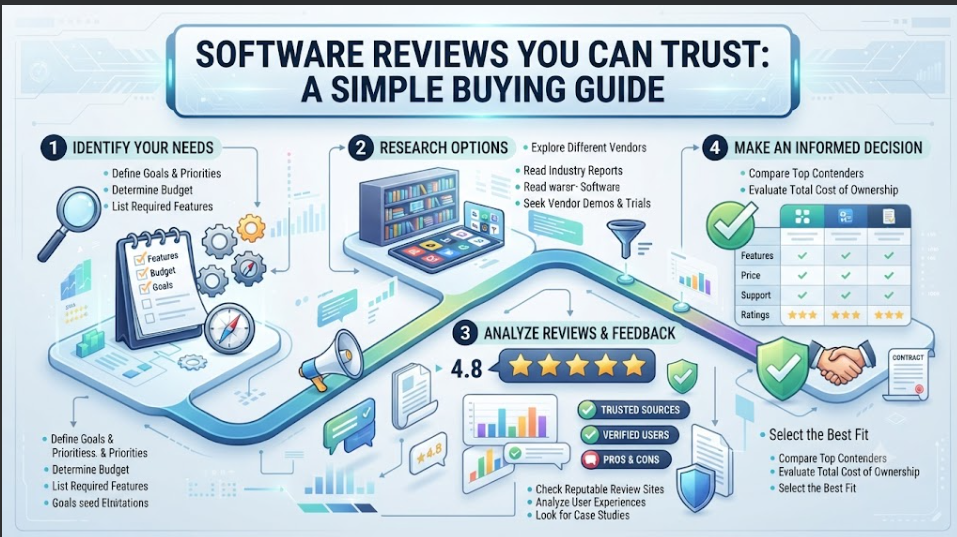
Picture this: your inbox is full of software ads, each one louder than the last. Every app claims it will fix your problems overnight. But loud claims rarely match daily reality. Teams often sign up for shiny new tools, then quietly stop opening them within a month. That wasted spend adds up fast, and it drains team morale too. Nobody enjoys learning a tool that never earns its keep. So what actually works? Slow down, gather real facts, and skip the noise. BestAIToolix.com exists for exactly this reason. It acts as a calm, fact-first place to check tools before you spend a single dollar. This guide walks you through a grounded way to choose software that truly earns its spot in your daily work.
What Exactly Is BestAIToolix.com?
Think of BestAIToolix.com as a research desk, not a sales counter. Nobody there pushes you toward one app over another. Instead, it holds a wide catalog of software, sorted into clear groups. You can narrow results by price, task, or team size. Each listing follows the exact same review process. Nobody buys a better spot on the list. That single rule keeps the whole system fair and worth your trust.
Skip the Scattered Search With a Real Catalog
Most people start their software hunt with a random Google search. Ten browser tabs later, they still feel stuck. A software directory fixes this mess completely. It groups every app by purpose, so nothing sits in a random pile. You open one category, apply a filter, and instantly see fitting options. What used to eat your whole afternoon now takes a few focused minutes.
Picking Tools That Actually Fit Your Day
No two teams work the same way. A three-person shop and a three-hundred-person company need very different setups. Start by naming your biggest daily headache. Is it scheduling, writing, or tracking tasks? Then think about devices your team already uses. Desktop only, or mobile too? Check how pricing shifts as your headcount grows. Filtering this way leads you straight to the best software tools for your actual team, not a generic top-ten list.
The Problem With Reviews Nobody Can Trust
Here’s an uncomfortable truth: some glowing reviews are simply paid for. A brand sponsors a post, and suddenly an average tool earns five stars everywhere. This kind of noise fools even careful buyers. That is exactly why independent software reviews matter so much. These come from people who actually paid, actually used the tool, and have nothing to gain by lying. Genuine software reviews mention real flaws, not just polished highlights. Reading a handful of these before buying protects your wallet.
Table 1: Quick Checklist Before You Say Yes
| Evaluation Factor | What to Look For | Why It Matters for Teams |
|---|---|---|
| Learning Curve | Simple onboarding, short setup | Gets staff working faster, less friction |
| Pricing Clarity | Upfront costs, no vague fine print | Stops surprise charges later |
| Support Speed | Quick, multiple ways to reach help | Solves small issues before they grow |
| Data Protection | Strong encryption, clear policy | Keeps client and company data secure |
| Tool Compatibility | Fits with your current software stack | Cuts down on repeated manual work |
| Room to Grow | Handles rising user numbers smoothly | Avoids a painful switch down the road |
Smart Apps Are Changing How Teams Work
A new wave of software now thinks a little on its own. These apps, often called AI tools, draft emails, write code, or design graphics in seconds. They save teams hours every single week. But dozens launch every month, and picking one feels overwhelming fast. An AI tools directory solves this headache. It sorts these smart apps by exact function, so spotting the best AI tools takes minutes instead of an entire weekend of searching.
Testing Smart Apps Before You Trust Them
Never judge a tool by its demo video alone. When you compare AI tools, run your own real test first. Time how fast each one replies to a request. Ask directly where your uploaded data ends up. Then judge the actual output quality yourself. Feed the same task into two different tools and see which one wins. This hands-on test beats any polished sales pitch.
Company-Wide Buying Needs a Careful Eye
Buying software just for yourself is easy. Buying it for an entire company is not. Security checks must cover every single department, not just one team. Counting exact user seats matters too, since unused seats quietly burn your budget. A detailed business software comparison lays every option out clearly, side by side. This kind of software comparison stops rushed choices that cost real money later.
Table 2: Matching the Right Tool to Your Stage
| Business Stage | Main Software Need | Critical Feature | Risk to Avoid |
|---|---|---|---|
| Early Startup | Lightweight task tracking | Affordable monthly pricing | Signing a long contract too soon |
| Growing Team | Shared communication tools | Smooth connection with other apps | Tools that lag once the team expands |
| Steady Business | Detailed reporting dashboards | Solid data security | Overlooking staff pushback on change |
| Big Organization | Custom automated workflows | Reliable, dedicated account support | Rigid deals with no easy exit |
A Grounded Roadmap for Your Next Purchase
Lock in your budget before opening a single tab. Know your limit and hold that line. Then run a genuine trial with your real team, not just yourself, for at least a full week. Reach out to their support line with an honest question and time the reply. Finally, read every clause in the contract, especially how to exit later. This complete software buying guide keeps your money and your sanity intact.
What This Looks Like in Real Teams
- A small agency almost signs a two-year deal before finding a cheaper monthly option that works just as well.
- A content team pilots two writing assistants and picks the one that matches their brand voice fastest.
- An operations lead discovers the company pays for four apps doing the exact same job.
- A retail startup skips a security review, then scrambles after a minor data leak.
Eight Costly Mistakes Buyers Keep Repeating
- Signing up before running any real trial.
- Focusing only on month-one price, ignoring year-two costs.
- Trusting a slick demo over your own hands-on test.
- Never asking about server uptime or downtime history.
- Underguessing how long staff will need to adjust.
- Missing whether support hours match your working hours.
- Locking into annual billing before the team even likes it.
- Picking an overly complex tool when a simple one would work.
Where BestAIToolix.com Steps In
BestAIToolix.com keeps its scoring completely visible, not hidden behind vague stars. You get side-by-side charts that line up features and pricing instantly. Listings get refreshed often, so you never rely on outdated information. The whole experience feels less like reading an advertisement and more like getting a straight answer from someone who already tested everything for you.
A Simple Seven-Step Process to Follow
- Goal: Name your exact problem in one clear sentence.
- Search: Browse categories that connect to that problem.
- Shortlist: Narrow your options down to three or four picks.
- Compare: Line up pricing and features together.
- Ask: Reach out to each support team with real questions.
- Verify: Recheck security terms, pricing, and contract details.
- Decide: Choose the option that solves your real problem best.
Frequently Asked Questions
Question 1: Why do teams so often regret a software purchase?
Regret usually starts with rushing the decision. A flashy ad convinces someone to buy without a proper trial. Nobody asks the daily users for their opinion first. Weeks later, the tool clearly does not fit the workflow. Taking even a few extra days to test properly often prevents this exact mistake. Patience during the buying stage saves real frustration later.
Question 2: Can free software plans actually be trusted?
Always read the privacy policy, even for a free plan. Free does not automatically mean safe or harmless. Some free tools quietly sell collected user data to cover their costs. Check the terms for clear language about data handling. Independent software reviews often reveal how a company truly treats user information. Vague or missing details should raise a clear red flag.
Question 3: What does a software directory actually do for buyers?
A software directory sorts hundreds of apps into clean, simple categories. Instead of a random search across the internet, you browse organized groups. You can filter results by price, feature, or company size instantly. This structure saves serious time and mental energy. A strong directory turns a stressful, scattered hunt into a short task you finish before lunch.
Question 4: How much weight should online reviews really carry?
Give more weight to reviews that mention both good and bad points. A review with zero complaints often feels scripted or paid. Look for detailed software reviews describing specific issues, like a confusing setup process. Genuine buyers usually share exact examples, not just generic praise. That balance is a strong sign the feedback is real, not manufactured for marketing.
Question 5: What truly separates AI tools from regular software?
Regular software runs on fixed rules set once during setup. AI tools instead learn from data and adjust their responses as you use them more. A writing assistant, for example, gets sharper suggestions over time. This adaptability saves real hours on repeat tasks. Still, always confirm privacy rules, since these tools often process large amounts of personal information quietly.
Question 6: What is the quickest way to compare AI tools fairly?
Feed the exact same task into two or three different tools. Compare their speed, accuracy, and how natural each output feels. Check the price per user, since AI tools often raise costs as usage climbs. Test their support channel once before committing any money. This direct approach beats reading marketing pages, since you witness actual performance instead of promised performance.
Question 7: What should larger companies confirm before signing a contract?
Larger companies should confirm strong security certifications first, since more staff means greater exposure. Count exact user seats needed to avoid paying for empty accounts. Review contract length and cancellation terms line by line. Ask specifically about dedicated support, since generic tickets often slow down urgent problems. A short pilot with real staff usually reveals issues no sales call mentions.
Question 8: How many staff members should test a tool before buying it?
Include at least three or four people from different roles in testing. One person alone can easily miss problems that others catch quickly. Bring in a daily user, a manager, and a technical staff member if possible. Their combined feedback shows whether the tool genuinely fits daily work, rather than just looking impressive during a rushed five-minute demo session.
Question 9: What hidden fees should buyers watch out for?
Watch closely for setup fees, mandatory training charges, and storage limits with extra costs. Some vendors also raise prices sharply once you cross a certain user count. Data export fees can appear the moment you try to leave. Always request a full written cost breakdown before signing anything. This one habit prevents painful billing surprises just a few months in.
Question 10: How often should a company review its existing software stack?
Plan a full review at least once every year. This catches subscriptions your team quietly abandoned months earlier. It also uncovers overlapping tools handling the exact same task twice. Set a recurring calendar reminder so this never slips through. During the review, ask each team whether every tool still justifies its monthly cost, or simply sits there unused.
Question 11: What should a genuinely useful software buying guide include?
A useful software buying guide should cover budgeting, testing steps, and clear warning signs. It needs plain, everyday language, not confusing technical terms nobody understands. It should also flag common traps, like skipping trials or ignoring the exit clause. The strongest guides work equally well for a tiny two-person shop and a much larger company at the same time.
Question 12: How does BestAIToolix.com keep every listing fair?
BestAIToolix.com applies one identical checklist to every single tool it lists. No company can pay its way into a higher ranking or a better score. Every entry gets judged on the same factors, including pricing clarity, support quality, and genuine user feedback. This consistent structure keeps the whole platform neutral, giving buyers honest comparisons instead of results shaped by advertising money.
Final Thoughts
Choosing the right software really comes down to patience over pressure. Name your real problem clearly before browsing anything. Test every option with a genuine trial, not a rushed five-minute demo. Read the whole contract, paying close attention to how you can leave later. Trust honest, detailed feedback over shiny marketing language every time. Most importantly, pick tools that solve an actual problem for your team, not ones that simply look good in a slide deck. BestAIToolix.com keeps this entire process calmer by offering research that stays current, clear, and free from hidden bias.
