Upgrade & Secure Your Future with DevOps, SRE, DevSecOps, MLOps!
We spend hours scrolling social media and waste money on things we forget, but won’t spend 30 minutes a day earning certifications that can change our lives.
Master in DevOps, SRE, DevSecOps & MLOps by DevOps School!
Learn from Guru Rajesh Kumar and double your salary in just one year.
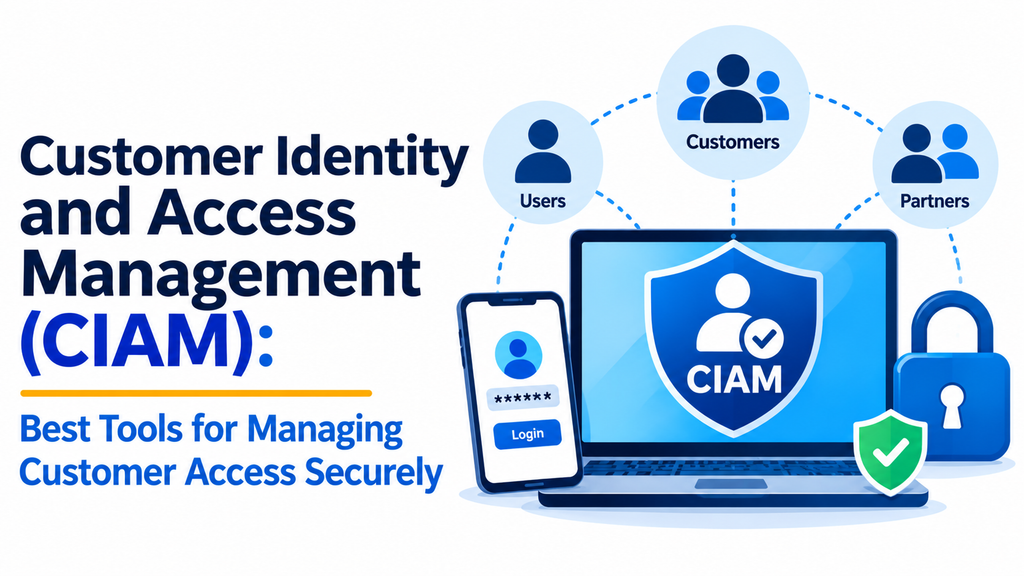
Customer Identity and Access Management (CIAM) platforms help businesses securely manage the identities of their customers, users, and external audiences. They provide the systems needed for customer registration, login, authentication, profile management, consent handling, and access control across websites, mobile applications, and digital services.
As organizations deliver more digital experiences, customers expect convenient access without compromising privacy or security. CIAM solutions help businesses meet these expectations by combining user-friendly authentication with strong identity protection.
What Is CIAM?
CIAM is a category of identity management technology designed specifically for customers rather than employees. Unlike workforce identity systems, which focus on internal users and company resources, CIAM platforms are built to support large numbers of external users.
They help businesses manage customer accounts throughout the identity lifecycle, from registration and authentication to profile updates and account deletion.
How CIAM Works
CIAM platforms provide a centralized layer for customer identity and access management.
- Customer registration: Users create accounts through websites, mobile applications, or other digital channels.
- Identity verification: The platform can verify email addresses, phone numbers, or other identity attributes.
- Authentication: Customers sign in using passwords, passkeys, social login, or multi-factor authentication.
- Access management: The system determines which applications, services, or information a customer can access.
- Profile management: Customers can update their personal information, preferences, and account settings.
- Monitoring and protection: Suspicious login attempts and unusual account activity can be detected and addressed.
Popular CIAM Tools and Platforms
Several platforms provide customer identity capabilities for businesses of different sizes.
- Auth0: Offers developer-focused customer authentication, social login, and access management capabilities.
- Okta Customer Identity: Supports customer authentication, authorization, and identity management across digital applications.
- Microsoft Entra External ID: Provides identity and access capabilities for customers and external users.
- Amazon Cognito: Helps developers add user registration, sign-in, and access control to web and mobile applications.
- Ping Identity: Provides customer identity capabilities, including authentication and access management.
- ForgeRock: Offers digital identity solutions for managing customer identities and access experiences.
- SAP Customer Identity and Access Management: Supports customer identity, consent, and access management for digital business services.
The best choice depends on application architecture, customer volume, compliance requirements, integration needs, and the desired user experience.
Key Features of CIAM Solutions
1. Customer Registration and Profile Management
Provides tools for account creation, profile updates, and customer information management across digital channels.
2. Secure Authentication
Supports authentication methods such as passwords, passkeys, social sign-in, and multi-factor authentication.
3. Single Sign-On
Allows customers to access multiple connected applications or services through a unified sign-in experience.
4. Social Login
Enables customers to register or sign in using supported third-party identity providers, reducing registration friction.
5. Consent and Privacy Management
Helps organizations capture and manage customer consent and privacy preferences in accordance with applicable requirements.
6. Fraud and Account Protection
Can detect suspicious login activity, credential attacks, automated abuse, and unusual account behavior.
7. API and Application Integration
Connects identity services with websites, mobile applications, customer portals, and backend systems.
8. Scalability
Supports growing customer populations and high authentication volumes while maintaining reliable access.
Benefits of CIAM
- Better customer experience: Makes registration and sign-in more convenient.
- Improved security: Helps protect customer accounts through stronger authentication and threat detection.
- Reduced registration friction: Supports social login, passkeys, and other convenient authentication options.
- Centralized identity management: Provides a consistent way to manage customer identities across applications.
- Privacy support: Helps businesses manage customer consent and identity-related data.
- Business scalability: Supports expansion into new applications, markets, and customer segments.
- Reduced development effort: Provides reusable identity capabilities instead of requiring every application to build its own authentication system.
How to Choose the Right CIAM Platform
Organizations should evaluate several factors before selecting a CIAM solution:
- Customer experience: Look for flexible registration and login flows that work well across devices.
- Authentication options: Check support for passkeys, social login, multi-factor authentication, and passwordless access.
- Security capabilities: Evaluate account protection, bot defense, fraud detection, and suspicious activity monitoring.
- Scalability and performance: Ensure the platform can handle expected customer growth and peak login traffic.
- Integration: Confirm compatibility with existing applications, APIs, and customer platforms.
- Privacy and compliance: Review consent management, data handling, regional hosting, and regulatory support.
- Pricing: Compare user-based, monthly active user, and feature-based pricing models.
Conclusion
Customer Identity and Access Management is essential for businesses that provide digital services to external users. CIAM platforms combine convenient customer experiences with secure authentication, identity lifecycle management, and privacy controls.
By choosing a platform that fits their technical environment and customer needs, organizations can simplify access, protect customer accounts, and build more trusted digital experiences.
