Upgrade & Secure Your Future with DevOps, SRE, DevSecOps, MLOps!
We spend hours scrolling social media and waste money on things we forget, but won’t spend 30 minutes a day earning certifications that can change our lives.
Master in DevOps, SRE, DevSecOps & MLOps by DevOps School!
Learn from Guru Rajesh Kumar and double your salary in just one year.
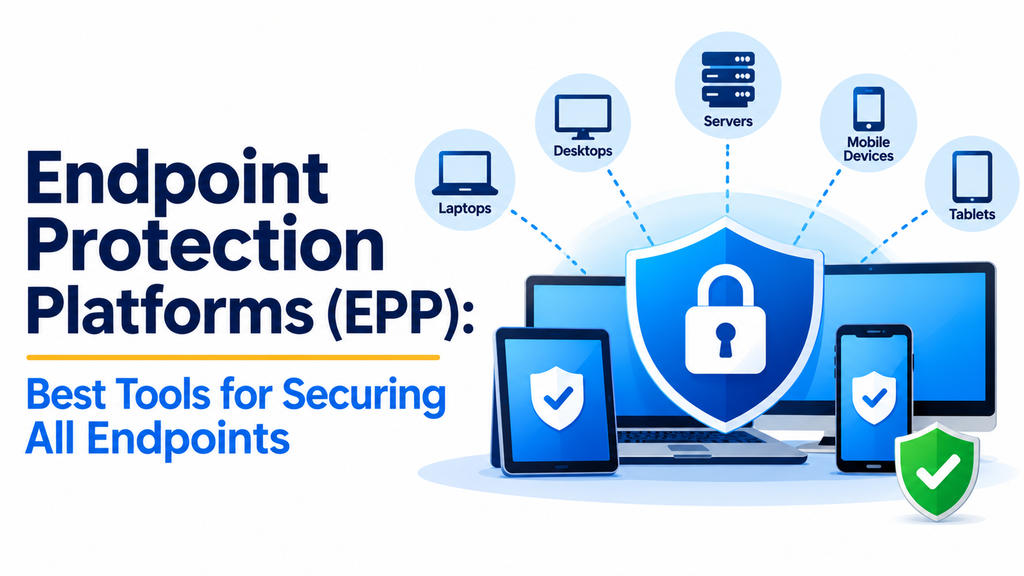
Endpoint Protection Platforms (EPP) are cybersecurity solutions designed to protect computers, laptops, servers, and other connected devices from malware, ransomware, viruses, and unauthorized activity. As organizations support remote employees, cloud applications, and increasingly distributed networks, protecting every endpoint has become an essential part of cybersecurity.
EPP solutions combine multiple security technologies into a centralized platform. They help prevent known and emerging threats, enforce security policies, and provide administrators with visibility into the devices connected to their environments.
What Is an Endpoint Protection Platform?
An Endpoint Protection Platform is a security solution that protects endpoint devices against cyber threats. It typically combines antivirus, anti-malware, firewall capabilities, device control, and threat prevention features.
Unlike traditional antivirus software, modern EPP platforms use technologies such as behavioral analysis, machine learning, exploit prevention, and cloud-based threat intelligence to identify and block a wider range of attacks.
How EPP Works
EPP platforms monitor endpoint activity and apply security policies to prevent malicious behavior.
- Endpoint monitoring: The platform protects devices such as desktops, laptops, and servers.
- Threat identification: It scans files, applications, processes, and system activity for suspicious behavior.
- Threat prevention: It blocks malware, malicious downloads, unsafe applications, and other detected threats.
- Policy enforcement: Administrators configure security rules and protection settings across devices.
- Threat updates: Security intelligence and detection updates help protect against newly identified threats.
- Centralized management: Security teams monitor endpoint health, protection status, and detected incidents from a management console.
Popular EPP Tools and Platforms
Organizations can choose from several endpoint protection solutions:
- Microsoft Defender for Endpoint: Provides endpoint protection, threat prevention, vulnerability management, and security monitoring.
- CrowdStrike Falcon: Offers cloud-delivered endpoint protection with prevention capabilities and threat intelligence.
- SentinelOne Singularity: Combines endpoint prevention, behavioral AI, and automated protection features.
- Bitdefender GravityZone: Provides endpoint security, malware protection, and centralized security management.
- Sophos Endpoint: Offers malware prevention, exploit protection, and endpoint security management.
- Trend Micro Apex One: Provides endpoint threat prevention, behavioral analysis, and application protection.
- ESET PROTECT: Supports endpoint security, threat detection, and centralized administration.
Features and licensing vary by product and edition, so organizations should compare the capabilities included in each plan.
Key Features of EPP Solutions
1. Antivirus and Anti-Malware Protection
Detects and blocks malicious files, viruses, spyware, trojans, and other common forms of malware.
2. Ransomware Protection
Uses behavioral monitoring and prevention techniques to identify suspicious file activity and help stop ransomware attacks.
3. Behavioral Analysis
Examines application and process behavior to identify potentially malicious activity that traditional signature-based detection may miss.
4. Exploit Prevention
Helps protect devices against attempts to exploit software vulnerabilities and operating system weaknesses.
5. Firewall and Network Protection
Controls network connections and helps prevent unauthorized or suspicious communication.
6. Device and Application Control
Allows administrators to manage removable devices, restrict unauthorized applications, and enforce endpoint usage policies.
7. Centralized Management
Provides a unified console for configuring security policies, monitoring device status, and reviewing security alerts.
8. Threat Intelligence Updates
Uses regularly updated threat information to improve detection and protection against emerging malware.
Benefits of Endpoint Protection Platforms
- Stronger device security: Protects endpoints against a wide range of cyber threats.
- Reduced malware risk: Helps prevent infections from malicious files, applications, and downloads.
- Centralized administration: Makes it easier to manage security across many devices.
- Improved policy enforcement: Helps organizations maintain consistent endpoint security standards.
- Support for remote work: Protects laptops and other devices used outside traditional office networks.
- Lower operational complexity: Consolidates multiple endpoint protection capabilities into a single platform.
- Better security visibility: Helps administrators understand endpoint protection status and potential risks.
How to Choose the Right EPP Platform
Before selecting an endpoint protection solution, organizations should consider:
- Device compatibility: Confirm support for the operating systems and endpoint types used across the organization.
- Threat prevention: Evaluate malware, ransomware, exploit, and behavioral protection capabilities.
- Management experience: Look for a clear console that simplifies policy configuration and device monitoring.
- Performance impact: Ensure the software does not significantly affect device speed or employee productivity.
- Integration: Check compatibility with existing security tools, identity systems, and IT management platforms.
- Scalability: Choose a platform that can support current devices and future organizational growth.
- Pricing and licensing: Compare deployment costs, feature tiers, support options, and licensing models.
Conclusion
Endpoint Protection Platforms are a foundational component of modern cybersecurity. They help organizations defend computers, servers, and other devices against malware, ransomware, exploits, and unauthorized activity.
By selecting an EPP solution that fits their infrastructure and security requirements, businesses can strengthen endpoint defenses, simplify administration, and reduce the risk of device-based cyberattacks.
