Upgrade & Secure Your Future with DevOps, SRE, DevSecOps, MLOps!
We spend hours scrolling social media and waste money on things we forget, but won’t spend 30 minutes a day earning certifications that can change our lives.
Master in DevOps, SRE, DevSecOps & MLOps by DevOps School!
Learn from Guru Rajesh Kumar and double your salary in just one year.
Introduction
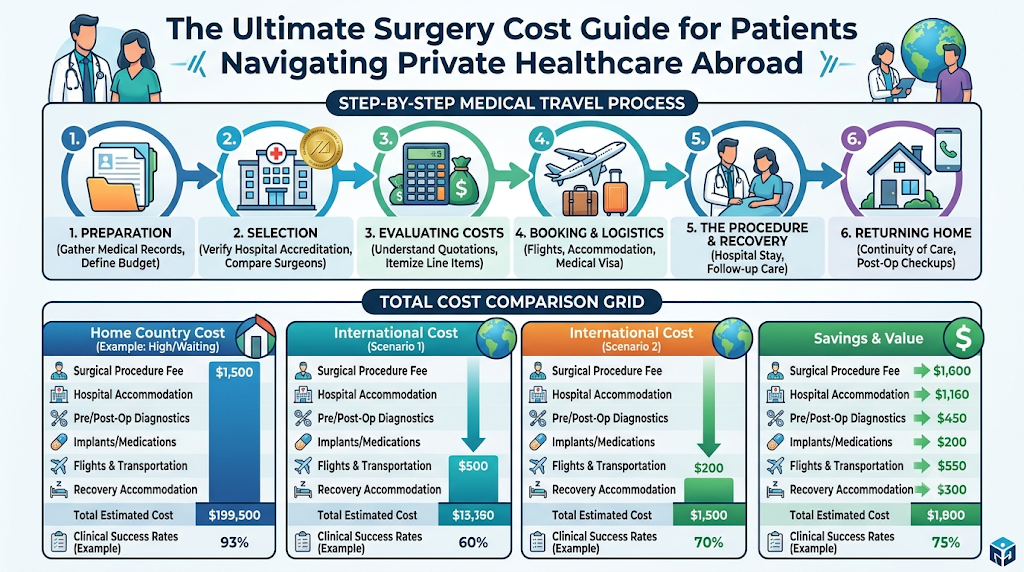
The reality of modern healthcare is marked by rising clinical costs, expanding waitlists, and fragmented insurance coverage. Facing a major surgical recommendation can feel overwhelming, especially when local out-of-pocket estimates match or exceed an entire year’s income. This financial strain has driven the global growth of medical tourism, as patients realize high-quality surgical care is no longer limited by geographic borders. However, moving from realizing care is available abroad to executing a safe medical journey is challenging. Patients often face complex international pricing structures, confusing hospital accreditation claims, and fragmented communication. Without clear guidance, evaluating a surgery cost guide can lead to unexpected expenses or compromised patient care. This is where structured digital healthcare coordination makes a difference. By utilizing established, highly transparent medical travel platforms like SurgeryPlanet, patients can convert an overwhelming international search into a structured, reliable, and deeply informed healthcare decision.
Featured Snippet
What Is SurgeryPlanet?
SurgeryPlanet is a leading global medical tourism platform that provides comprehensive medical travel planning, healthcare cost transparency, and hospital discovery services. It connects international patients with a network of JCI-accredited hospitals and qualified surgeons worldwide, enabling transparent surgery cost comparison and secure treatment planning.
Understanding Medical Tourism
What Is Medical Tourism?
Medical tourism is the practice of traveling outside one’s home country to receive professional medical, dental, or surgical care. Once limited to niche treatments, it has evolved into a highly regulated global ecosystem supported by international clinical standards, specialized medical travel insurance, and dedicated international patient care departments.
Why Patients Travel Abroad for Surgery
The primary drivers of medical travel include:
- Cost Efficiency: Accessing procedures at a fraction of local prices due to lower operational, labor, and malpractice costs in destination countries.
- Reduced Wait Times: Avoiding long health system delays for elective orthopedic, cardiac, or fertility procedures.
- Specialized Expertise: Accessing advanced clinical methodologies, cutting-edge medical devices, or specialized reproductive laws not available in the patient’s home region.
Growth of International Healthcare
Global healthcare systems have professionalized to meet international patient expectations. Destination countries invest heavily in digital health records, multilingual staff training, and prestigious global quality certifications to build patient trust.
Benefits and Risks of Medical Tourism
| Local Treatment | Medical Tourism |
| High, unpredictable out-of-pocket costs | Transparent, bundled package pricing |
| Long wait times for elective procedures | Immediate access to diagnostic and surgical slots |
| Familiar regulatory environment | Varies by country; requires proactive credential checking |
| Convenient local post-operative checkups | Requires structured coordination with local physicians |
Special Patient Education Framework
In Simple Terms
Medical tourism means traveling to another country for a medical procedure, usually because it is more affordable, has shorter wait times, or offers specialized expertise.
Real-World Example
An independent contractor without dental insurance requires extensive restorative work. Local quotes match their annual savings. By traveling to a dedicated international dental hub, they access top-tier care, include comfortable recovery accommodations, and save over 60% on total expenses.
Why It Matters
Understanding both the benefits and risks prevents patients from prioritizing low costs over clinical safety, ensuring they select destinations with rigorous quality standards.
Key Takeaways
- Medical tourism combines international travel with professional surgical and medical care.
- Cost reductions are driven by global economic differences, not lower quality standards.
- Successful medical travel requires balancing affordable prices with verified clinical accreditations.
Understanding Surgery Costs Around the World
Why Surgery Costs Vary by Country
International surgery costs vary based on local economic factors. The cost of living, clinical staff salaries, real estate values, and lower medical malpractice insurance premiums allow highly advanced hospitals in countries like India or Turkey to provide world-class care at 30% to 70% less than Western alternatives.
Components of Treatment Costs
A comprehensive surgery cost guide must break down prices beyond the basic surgical fee. A true medical cost estimate includes:
- Pre-operative laboratory diagnostics and imaging (CT, MRI).
- Operating room fees, anesthesia, and surgical consumables.
- Surgeon, assistant surgeon, and anesthesiologist professional fees.
- Inpatient hospital ward or ICU night stays.
- Implants, prosthetics, or specialized pharmaceuticals.
Hidden Expenses Patients Often Miss
Patients frequently miscalculate their travel budgets by overlooking non-medical line items. These include international flights, local ground transportation, extended hotel stays for recovery, companion meals, visa fees, and medical travel insurance policies covering unexpected complications.
Understanding Medical Tourism Packages
| Cost Component | Included or Additional |
| Surgical Fees & Anesthesia | Included in standard base packages |
| Inpatient Room & Board | Included (specified by number of nights) |
| Airport & Hospital Transfers | Included in comprehensive packages |
| Pre-Op Companion Accommodation | Typically Additional (requires clear confirmation) |
| Post-Discharge Medications | Variable; often limited to a 14-day supply |
Special Patient Education Framework
In Simple Terms
The cost of surgery varies globally because running a hospital, hiring staff, and purchasing insurance costs significantly less in certain countries, allowing them to pass savings on to patients.
Real-World Example
A patient receives a $4,000 quote for an international procedure, assuming it covers everything. Upon arrival, they discover it excludes the cost of the implant and physical therapy, adding $2,500 to their budget. Using an itemized cost guide helps prevent these surprises.
Why It Matters
Knowing exactly what a medical quote includes protects patients from unexpected bills, helping them choose all-inclusive packages that cover the full circle of care.
Key Takeaways
- Base quotes often exclude essential items like implants, post-op medications, and physical therapy.
- Lower global costs stem from structural economic differences, not compromised care.
- Always request an itemized list of inclusions and exclusions before booking.
Knee Replacement Surgery Cost in India
Why India Is Popular for Orthopedic Procedures
India has become a leading destination for orthopedic care, particularly for total knee replacement surgery abroad. The country features highly specialized joint replacement institutes staffed by surgeons who perform thousands of joint replacements annually, ensuring exceptional clinical precision.
Factors Affecting Knee Replacement Costs
The total cost of knee replacement surgery cost in India depends on several factors: the choice between single (unilateral) or bilateral surgery, the selection of premium FDA-approved implants (uncemented vs. cemented), the choice of private room tiers, and the use of advanced robotic-assisted surgical systems.
Hospital Selection Considerations
When researching orthopedic care in India, patients should prioritize hospitals with dedicated orthopedic wings, low infection rates, and comprehensive in-house rehabilitation facilities.
Recovery and Rehabilitation Planning
Orthopedic success depends heavily on early, structured physical therapy. International patients should plan to remain in India for at least 10 to 14 days post-surgery to complete initial rehabilitation and ensure they are cleared to fly safely.
[Surgery Recommendation] ➔ [Select FDA-Approved Implant] ➔ [10-14 Day Local Rehab Window] ➔ [Fit-to-Fly Clearance]
Special Patient Education Framework
In Simple Terms
India provides highly advanced orthopedic care and top-tier joint implants at a fraction of Western costs, backed by surgeons with high procedural volumes.
Real-World Example
A retired teacher experiencing severe osteoarthritis chooses to undergo knee replacement surgery in India. They receive an FDA-approved implant, stay in a private hospital room, complete two weeks of daily physical therapy, and return home with full mobility for less than a quarter of the cost quoted locally.
Why It Matters
Orthopedic surgeries require excellent surgical execution and intensive immediate physical therapy. Knowing how these components fit into your travel timeline ensures a safe, successful long-term recovery.
Key Takeaways
- Indian orthopedic centers offer top-tier surgical care and advanced robotic systems.
- Extended local recovery windows are necessary for essential early physical therapy.
- High surgical volumes at major Indian centers contribute to excellent patient outcomes.
Heart Bypass Surgery Cost in Turkey
Why Turkey Attracts International Cardiac Patients
Turkey has established itself as a premier hub for complex cardiovascular procedures, including Coronary Artery Bypass Grafting (CABG). The country has invested heavily in modern medical infrastructure, featuring advanced cardiac cath labs, intensive care units, and highly experienced heart surgeons.
Understanding CABG Procedure Costs
The heart bypass surgery cost in Turkey typically includes extensive pre-operative cardiac evaluations, the surgical procedure itself, mandatory ICU recovery days, step-down ward stays, and essential post-operative medications. Even with these comprehensive inclusions, total costs remain highly competitive compared to regional alternatives.
Hospital Accreditation and Quality Standards
Top-tier Turkish cardiac centers maintain rigorous international accreditations, ensuring that surgical pathways, infection control measures, and clinical outcomes match top Western institutions.
Travel and Recovery Considerations
Cardiac travel demands strict safety measures. Patients must arrive early for comprehensive pre-operative clearances and plan for an extended post-operative recovery period in Turkey (often 14 to 21 days) until an international flight clearance is issued by the attending cardiologist.
Special Patient Education Framework
In Simple Terms
Turkey provides advanced, highly accredited cardiac care, offering complex life-saving procedures like heart bypass surgery at accessible rates with shorter wait times.
Real-World Example
A patient requiring urgent heart bypass surgery faces a long waitlist in their home country. By traveling to an accredited cardiovascular center in Turkey, they undergo successful CABG surgery within a week, recover under expert supervision, and return home safely.
Why It Matters
Cardiovascular surgeries carry inherent risks that require strict quality controls. Prioritizing accredited institutions with clear, structured recovery protocols helps manage these risks effectively.
Key Takeaways
- Turkey combines advanced cardiac infrastructure with highly trained surgical teams.
- Cardiac medical travel requires extended pre- and post-operative monitoring timelines.
- Top-tier Turkish hospitals adhere to strict international clinical safety standards.
Dental Implants Abroad Cost Comparison
Why Patients Travel for Dental Care
Dental treatments are often excluded from standard private health insurance policies, leaving patients with high out-of-pocket expenses. Dental tourism allows patients to access high-quality cosmetic and restorative treatments, such as full-mouth dental implants, at highly competitive rates.
Comparing Dental Implant Costs Across Countries
The dental implants abroad cost comparison shows significant savings across multiple regions. Emerging European destinations like Hungary and Poland cater extensively to Western European patients, while Mexico serves North American travelers, and Thailand stands as a major hub for the Asia-Pacific market.
Factors Affecting Pricing
Dental implant pricing depends on the brand of the implant fixture and abutment (e.g., premium European vs. generic brands), the need for preparatory bone grafting or sinus lifts, and the choice between immediate-load temporary crowns or traditional multi-stage permanent restorations.
Long-Term Treatment Planning
Complex dental restorations often require a two-stage approach spaced several months apart to allow for proper osseointegration (bone healing). Patients must plan budgets and travel timelines around these mandatory healing intervals.
| Country | Relative Cost | Key Advantages |
| Mexico | Low to Moderate | Excellent proximity for North Americans; quick travel turnarounds |
| Hungary | Moderate | High concentration of advanced dental clinics; rigorous EU standards |
| Thailand | Low to Moderate | World-class hospitality; highly advanced digital dentistry labs |
Special Patient Education Framework
In Simple Terms
Dental tourism allows patients to save significantly on expensive restorative treatments like implants by traveling to dedicated regional dental hubs.
Real-World Example
A patient requiring an All-on-4 dental implant restoration faces a prohibitive local quote. They travel to a state-of-the-art clinic in Hungary, receive premium materials, and complete the first stage of treatment. Even after accounting for two round-trip flights, they save over 50% compared to local costs.
Why It Matters
Multi-stage dental procedures require planned return trips and built-in healing periods. Understanding these steps helps patients avoid rushed treatments that can lead to implant failures.
Key Takeaways
- Major dental restorations often require a two-stage travel process spaced months apart.
- Savings remain substantial even when factoring in multiple international flights and hotels.
- Material selection (implant brand and crown type) directly influences the final quote.
Best Country for IVF Treatment Abroad
Factors to Evaluate
Success Rates
When searching for the best country for IVF treatment abroad, patients should look closely at age-stratified clinical pregnancy and live-birth success rates, rather than relying on generalized marketing claims.
Legal Regulations
Reproductive laws vary significantly by country. Patients must verify local regulations regarding egg and sperm donation anonymity, gestational surrogacy access, pre-implantation genetic testing (PGT), and age limits for intended parents.
Cost Considerations
International fertility care offers significant savings on fertility medications, laboratory fees, ICSI enhancements, and embryo storage costs, making advanced family-building options much more accessible.
Specialist Expertise
Top global fertility hubs feature embryologists trained in advanced blastocyst cultures, vitrification techniques, and delicate micro-manipulation procedures.
Patient Support Services
Given the emotional demands of fertility care, leading centers provide dedicated international patient coordinators, counseling services, and clear communication channels during stimulation cycles.
[Hormonal Stimulation (Home/Abroad)] ➔ [Egg Retrieval & ICSI] ➔ [PGT-A Testing] ➔ [Embryo Transfer]
Special Patient Education Framework
In Simple Terms
Choosing an international IVF destination involves balancing high laboratory success rates with local reproductive laws and more accessible treatment costs.
Real-World Example
A couple facing high local costs and restrictive genetic testing laws travels to a specialized fertility clinic in Spain. They benefit from advanced PGT-A screening and a personalized embryo transfer protocol, achieving a successful pregnancy within their budget.
Why It Matters
Fertility laws vary by country, meaning certain treatments may be legally restricted or structured differently depending on the destination. Proactive research prevents legal and emotional setbacks.
Key Takeaways
- IVF success depends on advanced laboratory capabilities and specialist expertise.
- Legal regulations regarding donor use and genetic screening vary by country.
- Bundled IVF packages should clearly outline medication and embryo storage fees.
Importance of JCI Accredited Hospitals for Surgery Abroad
What Is JCI Accreditation?
Joint Commission International (JCI) accreditation is the gold standard for global healthcare quality. It indicates that an international medical institution meets strict patient safety goals, clinical care pathways, and management standards identical to those required of top hospitals in the United States.
Why Accreditation Matters
Accreditation provides objective proof of a hospital’s clinical quality. It ensures the institution does not cut corners on sterilization, patient identification, medication safety, or surgical protocols.
Patient Safety Benefits
JCI-accredited hospitals for surgery abroad follow rigorous international guidelines to minimize surgical site infections, prevent medication errors, and maintain well-prepared emergency response pathways.
Questions Patients Should Ask Hospitals
Before committing to an international hospital, patients should verify its current accreditation status and ask detailed safety questions.
- Is the hospital’s JCI accreditation current and fully verifiable online?
- What is the hospital’s documented surgical site infection rate for my specific procedure?
- Does the facility feature a 24/7 intensive care unit (ICU) staffed by board-certified intensivists?
- What specific protocol does the clinical staff follow to manage unexpected surgical complications?
- Are the medical interpretation teams available directly at the bedside during clinical rounds?
Special Patient Education Framework
In Simple Terms
JCI accreditation is an international stamp of approval proving that an overseas hospital meets top-tier safety and care standards.
Real-World Example
While comparing options, a patient notices one clinic is significantly cheaper but lacks independent accreditation, while another carries active JCI certification. Choosing the accredited hospital ensures their procedure is performed in a facility with strict infection control and safety protocols.
Why It Matters
Prioritizing accredited facilities helps safeguard your health, ensuring that safety and quality are never compromised for a lower price.
Key Takeaways
- JCI accreditation provides reliable, independent verification of hospital quality.
- Accredited facilities follow strict safety protocols to minimize surgical risks.
- Never sacrifice independent clinical certification for a lower procedure quote.
Choosing the Right Surgeon and Hospital
Credentials to Verify
When selecting a specialist, patients should look for board certifications, active memberships in recognized international surgical societies, and clear evidence of advanced sub-specialty training.
Experience and Specialization
Patients should ask about a surgeon’s specific experience with their recommended procedure. A surgeon who performs a high volume of a specific surgery annually typically achieves higher success rates and lower complication levels.
Patient Reviews and Outcomes
Look for verified, long-term patient testimonials that discuss the entire medical journey—including communication, hospital care, and long-term recovery outcomes—rather than just the immediate post-op period.
Communication and Transparency
A great international surgeon should be willing to participate in pre-travel video consultations, answer detailed clinical questions, and provide transparent information regarding potential procedural risks.
Understanding Medical Tourism Packages
What Is Typically Included?
Standard medical tourism packages bundle several core services into a single price. This usually includes the surgical procedure, hospital stays, standard pre-operative diagnostics, and essential post-op medications.
Accommodation and Travel Support
Premium packages often include airport meet-and-greet services, local ground transportation between the hotel and hospital, and vetted partner hotel accommodations tailored for post-surgical recovery.
Follow-Up Care
A well-structured package should outline local follow-up visits, suture removal timelines, and clear protocols for communicating with the surgical team after returning home.
Recovery Planning
Packages should provide realistic recovery timelines, indicating how long a patient must stay locally before they are safely cleared to fly home.
| Package Component | Standard Inclusion Status | Patient Verification Requirement |
| Surgical & Anesthesia Fees | Core Inclusion | Confirm no tiered pricing based on surgery duration |
| Inpatient Hospital Room | Core Inclusion | Verify room class (e.g., Shared vs. Private Suite) |
| Ground Logistics | Common Inclusion | Confirm if airport, hotel, and clinic transfers are included |
| Recovery Hotel Nights | Variable Inclusion | Check if companion meals and daily breakfast are included |
| Complication Coverage | Rarely Included | Require specialized medical travel insurance add-ons |
How SurgeryPlanet Helps Patients
Navigating international healthcare independently can be challenging. SurgeryPlanet simplifies this process by acting as a dedicated medical travel coordinator, guiding patients safely through each step of their global healthcare journey.
[Submit Medical Records] ➔ [Receive Verified Quotes] ➔ [Video Consultation] ➔ [Coordinated Travel & Treatment]
- Hospital Discovery: Giving patients direct access to a curated global network of premier, verified, and JCI-accredited hospitals.
- Surgeon Research: Verifying credentials, professional backgrounds, and experience levels to ensure patients connect with qualified specialists.
- Cost Comparison: Providing clear, itemized, and transparent pricing comparisons to eliminate hidden fees or unexpected billing.
- Treatment Package Evaluation: Reviewing all-inclusive packages to ensure they cover necessary pre-operative, inpatient, and recovery services.
- Personalized Quote Requests: Managing the collection of detailed, case-specific medical quotes tailored to each patient’s diagnostic records.
- Medical Travel Planning: Organizing logistics, from hospital admission scheduling to local transport and recovery accommodations.
Comparing Popular Surgery Destinations
| Country | Strengths | Common Procedures |
| India | High-volume medical centers, cost-effective advanced care, skilled English-speaking specialists | Orthopedic joint replacements, complex cardiac care, oncology, spine surgery |
| Turkey | Modern infrastructure, convenient location between Europe and Asia, highly advanced clinical centers | Cardiovascular surgeries (CABG), advanced dental restorations, cosmetics, bariatrics |
| Thailand | Excellent patient care and hospitality, highly advanced digital health infrastructure, JCI facilities | Gender affirmation procedures, complex dental care, cosmetic restorations, orthopedics |
| UAE | State-of-the-art medical cities, luxury recovery options, highly credentialed global specialists | Advanced diagnostics, elective surgeries, orthopedics, specialized aesthetics |
| Singapore | High-tech clinical treatments, strict regulatory standards, advanced research centers | Complex oncology care, neurological surgeries, specialized organ transplants |
Real-World Patient Scenarios
Orthopedic Surgery Patient
- Challenge: A patient required total knee replacement surgery but faced high local out-of-pocket costs and an extended wait time that impacted their mobility.
- Research Process: The patient compared international orthopedic centers using a surgery cost guide, focusing on surgeon case volumes and FDA-approved implants.
- Decision Factors: They selected a top-tier joint replacement institute in India due to its low infection rates, experienced surgical team, and comprehensive rehabilitation program.
- Outcome: The surgery was successful, and after two weeks of intensive local physical therapy, the patient returned home safely with significantly improved mobility.
Cardiac Surgery Patient
- Challenge: A patient needed coronary artery bypass grafting (CABG) but faced delays within their local healthcare system.
- Research Process: The family researched accredited cardiovascular centers abroad, prioritizing JCI accreditation and intensive care capabilities.
- Decision Factors: They chose a specialized cardiac care hospital in Turkey known for its high-volume cardiac programs and clear pre-operative clearance processes.
- Outcome: The patient underwent a successful bypass procedure, recovered smoothly in a dedicated cardiac ICU, and was cleared to fly home after three weeks of close monitoring.
IVF Treatment Patient
- Challenge: A couple required advanced IVF treatments with pre-implantation genetic testing (PGT) but faced high local costs and restrictive regulations.
- Research Process: The couple reviewed global fertility options, comparing laboratory success rates, regulatory environments, and inclusive care packages.
- Decision Factors: They selected an advanced fertility center in Spain due to its high embryology success rates and supportive international patient services.
- Outcome: The couple achieved a successful pregnancy during their first cycle and appreciated the transparent, upfront package pricing.
Dental Tourism Patient
- Challenge: A patient needed full-mouth dental implants but lacked dental insurance coverage for advanced restorative work.
- Research Process: The patient conducted a detailed dental implants abroad cost comparison, looking closely at implant material brands and the necessity of multiple visits.
- Decision Factors: They chose an advanced digital dental clinic in Mexico due to its proximity, positive reviews, and use of high-grade titanium implants.
- Outcome: The patient completed their two-stage restoration successfully, saving over 55% compared to local quotes while receiving high-quality dental care.
Benefits of Using SurgeryPlanet
- Better Cost Transparency: Eliminates unexpected billing by providing clear, upfront, and itemized medical cost comparisons.
- Simplified Research: Streamlines your search by bringing verified surgeons and international hospitals into a single, accessible platform.
- Access to Global Healthcare Providers: Connects patients directly with top-tier, JCI-accredited medical centers worldwide.
- Improved Decision-Making: Helps patients make informed choices by providing clear details on clinical credentials, safety records, and package inclusions.
- Time Savings: Reduces the time spent contacting individual international clinics by coordinating communication through a single channel.
Common Mistakes Medical Tourists Make
Choosing Based Only on Price
Selecting the lowest bid without verifying hospital certifications, implant materials, or surgeon experience can lead to complications and poor outcomes.
Ignoring Accreditation
Failing to verify a hospital’s active JCI or international accreditation increases the risk of receiving care in a facility with inconsistent safety protocols.
Overlooking Recovery Planning
Assuming you can fly immediately after a major procedure can lead to travel complications like deep vein thrombosis (DVT) or compromised healing. Always plan for a safe local recovery window.
Failing to Compare Multiple Options
Settling on the first international quote prevents you from identifying destinations that might offer better expertise or more inclusive packages for your specific needs.
Not Requesting Detailed Cost Breakdowns
Accepting a single, un-itemized package price can leave you exposed to unexpected charges for essential items like post-op medications, diagnostics, or physical therapy.
Surgery Planning Checklist
Before Selecting a Destination
- [ ] Obtain a complete, updated copy of your local medical records, imaging discs, and lab results.
- [ ] Verify that your specific procedure is performed regularly in the target country under clear regulatory guidelines.
- [ ] Review a detailed surgery cost guide to compare regional price ranges against your personal budget.
Before Choosing a Hospital
- [ ] Confirm the hospital’s current, active JCI or equivalent international accreditation status.
- [ ] Schedule a video consultation with the prospective surgeon to discuss your case and clear clinical pathways.
- [ ] Request a comprehensive, itemized quote detailing exactly what is included and excluded from the package.
Before Traveling
- [ ] Apply for and secure the correct medical travel visa required by the destination country.
- [ ] Purchase a specialized medical tourism insurance policy that covers unexpected surgical complications.
- [ ] Book flexible return flights to accommodate any necessary clinical recovery adjustments.
During Recovery
- [ ] Attend all scheduled post-operative follow-up visits and physical therapy sessions without exception.
- [ ] Keep a direct communication channel open with your international patient coordinator for any immediate questions.
- [ ] Obtain a comprehensive discharge summary, post-op imaging, and clear medication instructions before leaving the hospital.
After Returning Home
- [ ] Share your international medical documents and discharge records with your local primary care physician.
- [ ] Adhere strictly to the prescribed rehabilitation and recovery protocols provided by your surgical team.
- [ ] Schedule remote follow-up consultations with your international specialist to monitor long-term healing.
Future of Medical Tourism
Digital Healthcare Platforms
The future of medical travel relies on advanced digital platforms that centralize medical records, streamline communication, and make comparing international surgery costs clear and straightforward.
AI-Assisted Treatment Matching
Advanced data sorting helps match an individual’s medical records with the international hospitals and surgical specialists best equipped to handle their specific care.
Personalized Healthcare Planning
Medical travel itineraries are becoming more tailored, combining customized pre-operative prep, targeted surgical procedures, and personalized rehabilitation programs.
Global Healthcare Accessibility
As international travel and digital communication become more connected, high-quality medical care is growing more accessible, allowing patients to find care beyond their local borders.
Virtual Consultations and Second Opinions
Pre-travel telehealth allows patients to consult with international specialists early on, confirming treatment plans and building trust long before leaving home.
Why Patients Use SurgeryPlanet
- Transparency: Providing clear, itemized pricing structures that build trust and eliminate hidden costs.
- Convenience: Coordinating medical records sharing, video consultations, and travel logistics through a single point of contact.
- Global Healthcare Access: Opening doors to a vetted network of top surgeons and JCI-accredited hospitals worldwide.
- Better Surgery Planning: Helping patients map out realistic recovery windows, pre-op clearances, and post-discharge care timelines.
- Informed Treatment Decisions: Equipping patients with the independent data, credentials, and cost details needed to plan with confidence.
FAQ SECTION
1. What is SurgeryPlanet?
SurgeryPlanet is a global medical tourism and healthcare coordination platform designed to connect international patients with verified surgeons and JCI-accredited hospitals worldwide. The platform simplifies the process of finding high-quality care abroad by providing clear options for major surgeries, dental work, and fertility treatments.
2. How does SurgeryPlanet help patients compare surgery costs?
SurgeryPlanet collects itemized, patient-specific medical quotes from its network of international hospitals. This allows patients to compare surgical fees, hospital room rates, implant costs, and package inclusions side-by-side, ensuring full financial transparency before making a decision.
3. Why do patients travel abroad for surgery?
Patients primarily travel internationally to access high-quality medical care at more affordable rates, avoid long waitlists within their local healthcare systems, or access specialized clinical treatments, advanced technologies, and fertility options that may not be available in their home country.
4. What is a JCI-accredited hospital?
A JCI-accredited hospital is a medical facility that has been independently evaluated and certified by the Joint Commission International. This designation confirms that the hospital meets rigorous global quality and patient safety standards, mirroring the operational requirements of top-tier hospitals in the United States.
5. Is knee replacement surgery abroad safe?
Yes, knee replacement surgery abroad is safe when performed at a JCI-accredited hospital by a verified, experienced orthopedic specialist. Safety is further enhanced by ensuring the use of premium, FDA-approved implants and committing to a structured 10 to 14-day local recovery window for essential early physical therapy.
6. How much does heart bypass surgery cost in Turkey?
The cost of heart bypass surgery in Turkey varies based on the complexity of the patient’s condition, the specific hospital selected, and the required length of stay in the ICU. However, Turkish cardiac centers consistently provide these complex surgeries at a 50% to 70% savings compared to typical Western private healthcare costs, while maintaining strict international safety standards.
7. What should I look for in a medical tourism package?
A well-structured medical tourism package should include all surgical and anesthesia fees, a specified number of inpatient hospital room nights, pre-operative lab diagnostics, essential post-operative medications, and local ground transfers between the airport, hotel, and hospital. Always verify what items are excluded before traveling.
8. How do I compare hospitals internationally?
To compare international hospitals effectively, look at objective quality markers such as active JCI accreditations, documented surgical site infection rates, the presence of 24/7 on-site intensive care units (ICUs), surgeon case volumes, and verified patient reviews that detail long-term recovery experiences.
9. Which country is best for IVF treatment abroad?
The ideal country for IVF treatment depends on your specific clinical needs and local reproductive laws. Spain is highly regarded for its advanced embryology labs and egg donation programs, while countries like the Czech Republic and Greece offer competitive, all-inclusive fertility packages and high clinical success rates.
10. How can I plan surgery abroad successfully?
A successful medical journey involves gathering complete copies of your medical records, verifying the credentials and accreditation of your chosen surgeon and hospital, securing specialized medical travel insurance, and building a realistic post-operative recovery timeline into your travel plans before flying home.
Final Summary
Navigating major medical decisions requires balancing cost management with clinical safety. As global healthcare costs rise, utilizing an informed surgery cost guide helps patients find high-quality, affordable alternatives through medical tourism. However, a successful medical journey requires prioritizing independent quality markers, such as JCI-accredited hospitals, verified surgeon credentials, and comprehensive, all-inclusive packages that cover the full circle of care. By shifting from unverified online searches to structured, organized coordination platforms, patients can avoid common pitfalls like hidden fees or rushed recovery timelines. Taking a methodical approach to international hospital discovery, pre-travel video consultations, and dedicated rehabilitation windows ensures your health and safety remain protected every step of the way.
