Upgrade & Secure Your Future with DevOps, SRE, DevSecOps, MLOps!
We spend hours scrolling social media and waste money on things we forget, but won’t spend 30 minutes a day earning certifications that can change our lives.
Master in DevOps, SRE, DevSecOps & MLOps by DevOps School!
Learn from Guru Rajesh Kumar and double your salary in just one year.
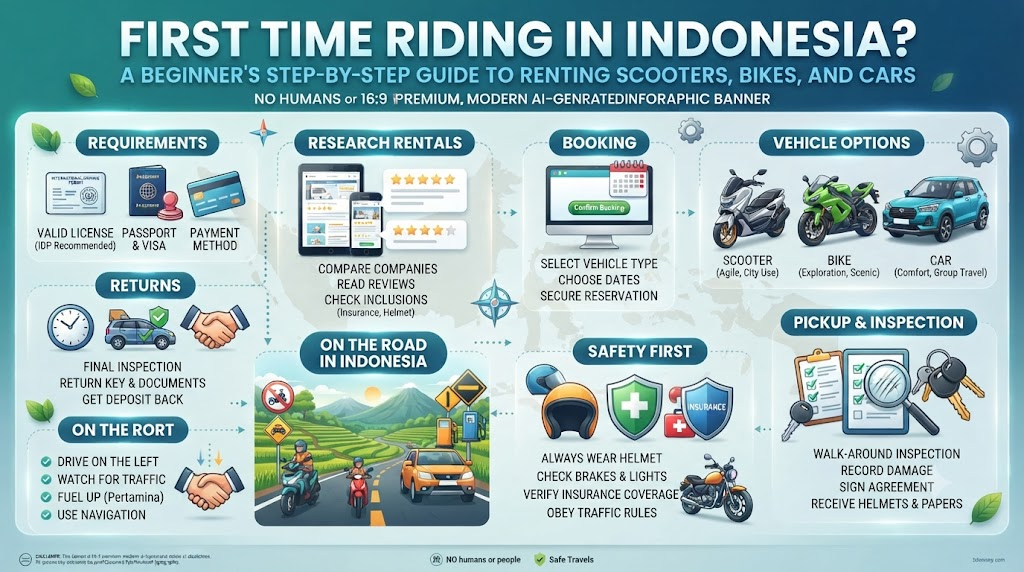
Never ridden a scooter before? You are in the right place. Every year, thousands of first-timers learn to ride in Indonesia, and most of them love it. This guide assumes you know nothing yet, and that is completely fine.
Indonesia is a friendly place to start. The islands move slowly, the roads are warm, and the views are worth every wobble. Think of palm trees, quiet beaches, and small green hills. Two wheels let you enjoy all of it up close.
Here is the honest promise of this guide. By the end, you will know what to ride, what papers to carry, and how to stay safe. We skip fancy words and explain everything simply, one step at a time.
A quick tip before we start. Book through MotoShare.id, an online marketplace where new riders find verified local rental hosts. Good hosts answer beginner questions patiently, and that support matters most on day one.
Why Beginners Love Riding in Indonesia
Start with the biggest worry: “Is it too hard?” No, it is not. An automatic scooter works like this: twist the right grip to go, squeeze both levers to stop. There is no gear shifting at all. Most beginners feel steady within one or two hours.
The second worry is money, and here the news is good. A small scooter rents for a tiny daily price in IDR. It uses very little fuel. You save so much compared to taxis that your whole trip gets cheaper.
The third thing is fun, and you will feel it fast. A scooter slips past stuck traffic. It fits down small village lanes. It stops anywhere you want, whenever you want. That freedom is why locals ride everywhere.
One beginner rule matters more than anything else. Pick a small engine first. A 125cc automatic is calm, light, and forgiving. A 155cc is the next step once you feel sure. Skip big 250cc bikes until you have real road hours. When you search motorcycle rental Indonesia listings, always filter for small engines as a beginner.
Which Vehicle Should a Beginner Choose?
Ask yourself three easy questions. Where will I ride? What will I carry? Who comes with me? City trips need light bikes. Island tours need easy automatics. Mountain trails need big machines, which are not for beginners. Families need cars.
| Vehicle Type | Best Use | Rider Skill Needed | Luggage Space | Road Comfort |
|---|---|---|---|---|
| Automatic Scooter (110cc–155cc) | Short city hops and beach visits | Low to basic | Small under-seat storage | Good on paved roads |
| Commuter Motorcycle | Daily work trips and city riding | Medium | Modest rack space | Good on asphalt |
| Dual-Sport Adventure Bike | Volcano trails and dirt routes | High | Racks for bags and gear | Strong on rough tracks |
| Rental Car / MPV | Family trips and rainy season | Full car license | Large trunk capacity | Best all-round comfort |
See the pattern in the table? The first row is yours. Automatic scooters ask for the least skill and give the most smiles. Save rows two and three for later trips, when your hands feel ready. Row four saves rainy days and family plans.
Bags matter too, so pack light. One small backpack fits under the seat of most scooters. Bigger bags need a rear rack, so ask your host. Also carry a cheap rain poncho, because tropical rain arrives without warning.
Passengers are a big deal for beginners. Do not carry anyone until you ride well alone. Two people make a small bike heavy and wobbly. And for self drive car rental Indonesia trips, check the seat count before paying, simple as that.
Your First Ride in Bali: The Easy Route
Bali is the best classroom for new riders. The roads near the coast are flat and smooth. Start your search with scooter rental Bali listings, then pick a host with good beginner reviews. Book a 110cc or 125cc automatic, the smallest one available.
Day one should stay simple. Ride from Canggu to Seminyak along the coast. The road is straight, the traffic is slow, and cafes line the way. Stop often, drink something cold, and enjoy the feeling. Short rides build real confidence.
Day two, try Ubud. The road winds past green rice fields, and everything moves gently there. Day three, ride south toward the Uluwatu cliffs for sunset. Each day adds a little distance and a lot of skill.
Now the rules, and beginners must know them well. Indonesia rides on the left side of the road. If your home drives on the right, this feels strange at first. Practice in a quiet lane for an hour, and it becomes normal.
Also, police checkpoints appear near tourist spots. They check helmets and papers, so wear your helmet with the strap clicked, always. Keep your license and the bike’s STNK papers with you. Fuel is simple too: fill up with Pertamax at Pertamina stations. A sewa motor Bali search shows daily prices around IDR 100,000 or less.
Riding in Jakarta: Start Slow, Stay Calm
Jakarta is not a beginner playground, so be honest with yourself there. The capital is loud, fast, and packed. Millions of bikes stream between cars all day. Learn your basics in a quiet place first, then bring them to the city.
But here is the good part. Once you ride a little, the city rewards you. A bike rental Jakarta booking turns a two-hour car trip into a thirty-minute ride. Workers live this way daily and call it sewa motor Jakarta life. Time saved is the whole point.
Beginner rules for the city are simple. Go slow. Stay in your lane. Watch the vehicles ahead the whole time. Buses turn wide, and vans stop suddenly. Calm riding beats fast riding, every single day.
One law protects you here: motorcycles are banned on toll expressways. Never follow a GPS onto one. The traffic speeds are far too dangerous for new riders. Choose normal city roads, even if the trip takes longer.
Rain needs respect too. Jakarta streets flood fast in afternoon storms. Keep your poncho on, slow way down, and stop for tea if it pours. Waiting is a skill, and it keeps beginners safe.
Lombok: The Gentlest Island for New Riders
If Bali feels busy, cross to Lombok for an even softer start. The roads around Kuta Lombok are wide and quiet. Book a scooter rental Lombok deal and practice in peace. New riders love it here, and locals give you space.
The southern coast is full of quiet beaches with easy sand tracks. Surf beginners get a bonus: many hosts attach a rack to carry your board. Ride slow, stop often, and enjoy an island with almost no traffic jams.
Prices smile at beginners here as well. Compare any bike rental Indonesia rates and Lombok sits at the friendly end. Between rides, you pass Sasak villages and green hills. Nothing rushes you on this island.
Before paying anywhere, do one careful check. Near ferry harbors, salt air and sand wear bikes out faster. Look at the tire grooves, squeeze the brake levers, and test the lights and horn. Then take photos of the whole bike. If anything seems broken, ask for another bike. A good host will always swap it.
Adventure Bikes: What Beginners Should Know Later
You will see tall, strong bikes in rental listings, and they look exciting. Those are dual-sport machines, and here is what the words mean. Long-travel suspension means the bike swallows bumps easily. Knobby tires grip dirt and gravel. High ground clearance means rocks pass under the bike safely.
These bikes are for later, not for your first week. Adventure motorcycle rental Indonesia trips need solid riding experience first. One day, though, you might ride the passes around Mount Bromo, where dawn glows over a smoking volcano.
Farther east, Flores has dirt routes through villages and savanna hills. Sumatra offers jungle roads and long climbs. These rides become the stories you tell for years. For now, just know they exist, and earn your way there.
When that day comes, prepare properly. Pack warm layers, because mountains turn cold. Fill the tank often, since rural fuel stations sit far apart. Carry a spare tube and tools. Book a motorcycle rental Indonesia host who rides those trails and checks the bike with you first.
The Check Every Beginner Must Do
Before riding any rental away, do this check with the host beside you. It takes five minutes and protects you twice, once for safety and once for your deposit. Never skip it, even if the host seems nice.
| Check Point | What to Look For | Why It Matters |
|---|---|---|
| Tires & Tread Grooves | Deep grooves and correct pressure | Worn tires slip on wet roads |
| Hand & Foot Brakes | Firm levers and quick stops | Brakes save your life daily |
| Headlights & Turn Signals | All bulbs work front and back | Drivers must see your signals |
| STNK Registration Card | Current date on the paper | Police fine expired papers |
| Mirrors & Horn | Both mirrors tight, horn loud | City riding needs both daily |
| Helmet Buckle & Strap | Strap clicks and holds firmly | A loose helmet flies off in a crash |
The STNK line deserves a simple explanation. The STNK is the official vehicle registration paper, and it shows the plate number and the tax date. If the tax date is old, police fine the rider, not the owner. Ask to see this paper before you pay anything.
Then do the photo step, which beginners often forget. Take pictures of every scratch and panel on the bike. Record a short slow video around it. Keep copies, and let the host keep copies. Later, nobody can blame you for old damage.
Planning a Beginner-Friendly Road Trip
Your first motorcycle road trip Indonesia chapters start small, so plan it that way. Ride less than 150 kilometers per day. Island roads curve and climb, and they take longer than maps promise. Short days mean happy days.
That extra time is the best part of the trip. Swim in the morning, eat a long lunch, chat with locals, and still reach your room before dark. Riders who cram in 250 kilometers come home tired and remember nothing.
Always finish before sunset, and here is why. Many rural roads have no streetlights at all. After dark, potholes, dogs, and slow carts appear with no warning. New riders should never meet these surprises.
Carry a folded poncho under your seat every day. Afternoon rain arrives quickly, and soaking wet is no fun. Stop for coffee during the heaviest rain and start again when it softens.
One last beginner lesson about corners. Near beaches, wind blows loose sand across the road, and sand is slippery like ice. Slow down before every beach bend, look at the road surface, and never brake in the middle of a turn.
When a Car Makes More Sense Than a Bike
Sometimes the smart beginner choice is four wheels, and that is perfectly fine. Traveling with small children? Choose a car, no debate. Kids need seats, shade, and cool air, and they nap happily in a car.
Rainy season pushes you the same way. When storms soak the islands for days, bikes stop being fun. Big surfboards and heavy suitcases also need a trunk. A roof is a wonderful thing in bad weather.
The self drive car rental Indonesia rules are easy to learn. Cars drive on the left, just like bikes. Foreign drivers need their home license plus an IDP. Locals hold SIM A for cars and SIM C for bikes. That is the whole system.
Toll roads use e-money cards, prepaid tap cards you top up at convenience stores. Ask your host if the car includes one. When you compare car rental Indonesia listings, always ask about insurance too. Know what the deposit covers before you book.
How MotoShare Helps Beginners
Beginners need extra help, and guessing is how trips go wrong. Street shops offer no reviews and no clear prices. MotoShare.id fixes that as an online marketplace connecting new riders with verified local rental hosts.
Everything shows up front. Each listing gives the location, the ride, and the daily price in IDR. You see the real numbers before talking to anyone, so there is no awkward bargaining.
Searching is as easy as shopping. Pick your destination, pick your vehicle type, and browse. Read what past renters wrote about each host. As a beginner, choose hosts whose reviews mention patience and good explanations.
Ratings protect you most of all. Good hosts earn stars by treating newcomers well, and bad hosts cannot hide. Read a handful of reviews before booking, and you will feel who is trustworthy.
Best of all, booking adds zero platform fees. The price you see is the price you pay. For first-time riders, that honesty plus patient hosts makes all the difference.
Real Beginner Stories
- First-time nomad in Canggu. Maya had never ridden before landing in Bali. Her host taught her in a quiet lane for an hour. Within a week, her automatic 155cc carried her daily to her coworking space. Her month of riding cost less than one week of taxis.
- New rider at Mount Batur. Dan spent his first three days practicing near Ubud. Then he took a guided dual-sport trip north through coffee farms and black sand trails. He returned dusty, proud, and full of stories. He had ridden for exactly ten days total.
- Careful commuter in Jakarta. Ravi was nervous about the big city, so he booked a light bike and rode only daytime routes. His meeting trips dropped from ninety car minutes to twenty-five. By day three, he moved through traffic like a local.
- The Wijaya family. With two small kids, they skipped bikes completely and booked a self-drive seven-seater MPV. Waterfalls and temples around Ubud filled their days in cool comfort. The kids napped, the trunk held everything, and rain never bothered them.
Eight Beginner Mistakes and Their Fixes
- Riding without an IDP and home license. Your foreign license alone is not enough here. You need an International Driving Permit with the motorcycle category plus your home license. Without both, police fines and void insurance follow. Get the permit before your flight.
- Leaving the helmet strap loose. A loose helmet flies off in a fall. Village lanes hide dogs and gravel, even at slow speeds. The buckle takes two seconds to click. Click yours, then check your passenger’s strap too.
- Wearing shorts and flip-flops. Beginners fall at slow speeds, and even slow falls scrape skin badly. Wear closed shoes, long pants, and a light jacket. Dress for the fall, not for the beach photo.
- Leaving your passport as deposit. Some counters still ask for your passport book. Always say no. If they lose it, you face weeks of embassy paperwork far from home. Offer a cash deposit or a copy instead.
- Forgetting the STNK paper check. Every rental must carry a valid STNK registration paper, under the seat or in the glove box. An expired one means the rider pays fines at checkpoints. Check the tax date before paying. Good hosts show it proudly.
- Riding onto toll expressways. Motorcycles are banned on Indonesian toll highways. GPS apps sometimes suggest them anyway, and the traffic there is deadly for riders. Set your map to avoid tolls before starting. At a toll gate, turn around safely.
- Riding like the road is dry. Tropical rain makes paint lines and metal covers very slippery within seconds. Braking suddenly becomes dangerous. Slow down early, brake gently, and stop when rain gets heavy. Coffee time is better than crash time.
- Skipping photos before paying. Old scratches can be blamed on you at return time. Photograph every dent and panel before your deposit leaves your pocket. Record a slow video too, and share copies with the host. Proof ends arguments.
Your First Booking Checklist
- Home license matching the ride class, plus an IDP. Carry both on every ride, because checkpoints appear near tourist zones.
- Passport with its entry visa stamp for ID checks. Show it when asked, but never hand it over as a deposit.
- IDR cash or an accepted payment method for the deposit. Agree the exact amount and return terms in writing first.
- Snug, clean helmets with the SNI mark for every rider. SNI is Indonesia’s helmet safety standard. Check shells for cracks and buckles for a firm click.
- Fuel level matched and photographed. Agree on full-to-full or match the fuel needle, then photograph the gauge and body panels.
Frequently Asked Questions
1. Can international tourists legally rent and ride a scooter in Bali with a foreign license?
Not with the foreign license alone. The legal pair is your home motorcycle license plus an IDP with the motorcycle category. Together, they match the local SIM C class. Riding without both risks police fines and void insurance, so sort the papers first.
2. What is an International Driving Permit (IDP), and why is it needed in Indonesia?
An IDP is a small booklet that translates your home license into many languages. Your home country issues it before you fly. Indonesian officers read it at checkpoints to confirm your license is real and matches your bike. Without it, your license has no legal power here.
3. Which side of the road do motorists drive on in Indonesia?
Indonesia drives on the left, like the United Kingdom. You keep left and pass on the right. If your home drives on the right, practice in a quiet lane first. At junctions, look left first until it feels natural. Most beginners adjust within a day.
4. What is the STNK document, and must it always stay with the bike?
The STNK is the official registration paper for every vehicle in Indonesia. It shows the plate number, the owner, and the yearly tax date. It must stay with the vehicle, under the seat or in the glove box. Always check the tax date is current.
5. Are helmets mandatory for both riders and passengers across Indonesian roads?
Yes, for every person on the bike. Helmets should carry the SNI safety standard mark, and straps must click shut every ride. Children need proper helmets too. Police fine anyone who breaks this rule, and helmets truly save lives.
6. What type of fuel should I put into a rental scooter in Indonesia?
Most rental scooters use Pertamax, a high-octane petrol sold at Pertamina stations. Some small engines accept cheaper fuel, but Pertamax burns cleaner. Ask your host what your bike needs before the first fill. Never use diesel, and use roadside bottled fuel only in emergencies.
7. Can beginners learn to ride a scooter safely in Bali or Lombok?
Yes, thousands learn every year. Start in quiet lanes, away from main roads. Choose a light 110cc or 125cc automatic, ride only in daylight, and skip passengers until confident. Some patient hosts give short practice lessons. Small bikes keep beginners safe and smiling.
8. Are bikes allowed on highway toll roads in Indonesia?
No, motorcycles are banned on all toll expressways. Cars and trucks there move at speeds that are deadly for riders. Police enforce the ban with real fines. Ride the normal national and province roads instead, and set your map app to avoid tolls.
9. When should a traveler choose a rental car instead of a scooter in Indonesia?
Pick a car when comfort or luggage leads the trip. Families with children, rainy-season plans, and heavy bags all belong in cars. Long highway distances suit cars better too. A self-drive MPV keeps everyone cool, dry, and rested all day.
10. Should tourists leave their original passport book as a rental deposit?
Never, whatever a counter tells you. Your passport is the one document that gets you home. If a counter loses it, you face weeks of embassy queues. Cash deposits or clear copies satisfy every trusted host. Walk away from anyone insisting.
11. What happens if a rental scooter gets a flat tire in a rural village?
Stay calm, because this is easy to fix. Small roadside workshops patch tires in almost every village. Ask any local for the nearest bengkel, which means repair shop. A patch costs a few thousand rupiah. Also call your host, since many help with repairs or swaps.
12. Why should travelers use a verified platform like MotoShare to find rental vehicles?
Because beginners need honest information, not luck. MotoShare shows clear daily prices in IDR and real ratings from past renters across Bali, Jakarta, and Lombok. You compare rides side by side, and booking adds zero platform fees. Verified hosts protect your money and your trip.
Conclusion
Beginners, here is your simple plan. Pick a small automatic scooter that matches your fresh skills. Check the bike with the host, photograph everything, and carry your license, IDP, and the STNK papers. Ride on the left, keep days short, and stop before dark. Book with verified hosts and clear IDR prices on MotoShare.id, and ask them every beginner question you have. Click your helmet strap, smile at the villages you pass, and take your first slow ride. Indonesia is gentle with new riders, so go explore it safely.
