Upgrade & Secure Your Future with DevOps, SRE, DevSecOps, MLOps!
We spend hours scrolling social media and waste money on things we forget, but won’t spend 30 minutes a day earning certifications that can change our lives.
Master in DevOps, SRE, DevSecOps & MLOps by DevOps School!
Learn from Guru Rajesh Kumar and double your salary in just one year.
Introduction
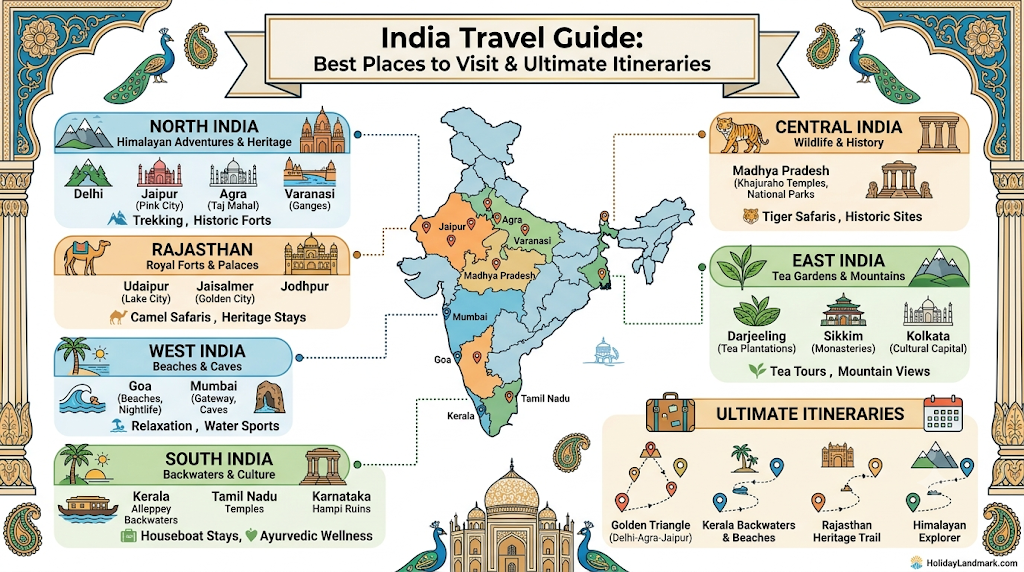
Few destinations on earth capture the imagination quite like India. A sprawling canvas of landscapes, languages, and traditions, it is a place where ancient heritage blends seamlessly with modern energy. For anyone looking to step out of their comfort zone, an immersive trip here offers an unparalleled reward. Navigating this vast subcontinent, however, requires more than just a passport; it demands careful planning and a willingness to dive deep into local cultures. Whether you are looking for bustling urban markets or the serene quiet of a mountain village, having the right insights makes all the difference. True discovery happens when you look beyond standard tourist trails and embrace regional nuances. Platforms like HolidayLandmark help travelers bridge this gap, offering a thoughtful blueprint to discover authentic homestays, reliable local guides, and curated experiences that transform a standard vacation into a lifelong memory.
Why India Matters as a Global Travel Destination
India holds a unique position in global tourism because of its incredible historical depth and geographical diversity. As the birthplace of major world religions and home to countless empires, the country is a living museum. From the architectural marvels of the Mughal era to the intricate stone carvings of ancient Dravidian temples, history is etched into every corner.
Beyond its monuments, India’s true value lies in its living heritage. It is a destination where traditions are not merely preserved in museums but practiced daily in colorful festivals, regional cuisines, and traditional art forms. For the modern traveler, this offers a rare chance to experience sustainable community living and deep spiritual traditions firsthand.
Destination Overview
Spanning from the snow-capped peaks of the Himalayas to the tropical shores of the Indian Ocean, India’s geography shapes its incredibly varied climate. While the north experiences distinct winter chills and scorching summers, the south remains warm and tropical year-round, heavily influenced by seasonal monsoons.
       [Himalayan Mountain Range] - Cold, Alpine, Trekking Hub
                 |
       [North Indian Plains]     - Historic Cities, Festivals, Hot Summers
                 |
       [Central Plateaus]        - Wildlife Safaris, Ancient Caves
                / \
  [Western Deserts] [Eastern Deltas] - Monsoons, Culture
                \ /
       [Southern Peninsular]     - Tropical Beaches, Backwaters, Temples
Culturally, India functions almost like a continent of its own. Every state boasts its own distinct language, traditional attire, and culinary identity. This regional diversity means that crossing a state border can often feel like entering an entirely new country, making comprehensive travel planning essential for a cohesive journey.
Top Attractions in India
When narrowing down the best places to visit in India, the choices can be overwhelming. Here is a curated selection of iconic landmarks and hidden gems that deserve a spot on your bucket list.
The Taj Mahal, Agra
A monument that needs no introduction, this white marble mausoleum is the pinnacle of Mughal architecture. Standing beside the Yamuna River, its symmetry and intricate inlay work are best viewed during the soft light of sunrise.
Jaipur and Udaipur, Rajasthan
Known as the Land of Kings, Rajasthan offers a glimpse into India’s royal past. Jaipur, the Pink City, showcases grand hill forts and palaces, while Udaipur charms visitors with its serene lakes and romantic heritage properties.
The Backwaters of Alleppey, Kerala
For a change of pace, the palm-fringed canals of Kerala offer a tranquil escape. Boarding a traditional wooden houseboat allows you to glide past emerald paddy fields and quiet waterfront villages.
Varanasi, Uttar Pradesh
One of the oldest continuously inhabited cities in the world, Varanasi is the spiritual heart of India. The evening Ganga Aarti ceremony along the stone ghats is a profound sensory experience.
Spiti Valley, Himachal Pradesh
A high-altitude desert hidden in the northern mountains, Spiti is a haven for off-the-beaten-path travelers. Monasteries perched on dramatic cliffs and pristine stark landscapes await those who brave the rugged roads.
Hampi, Karnataka
The boulder-strewn ruins of the historic Vijayanagara Empire form a surreal landscape in Hampi. It is an open-air archaeological marvel perfect for slow exploration on a bicycle.
Mandatory Comparison Table #1: Major Attractions At a Glance
| Attraction | Famous For | Ideal Duration | Best Season |
|---|---|---|---|
| Taj Mahal | Mughal Architecture & Romance | 1 Day | October to March |
| Jaipur Forts | Royal Heritage & Bazaars | 2–3 Days | November to February |
| Kerala Backwaters | Houseboat Cruises & Nature | 2 Days | September to March |
| Varanasi Ghats | Spiritual Rituals & Ancient History | 2–3 Days | October to March |
| Spiti Valley | Tibetan Monasteries & Landscapes | 5–7 Days | June to September |
| Hampi Ruins | Ancient Architecture & Bouldering | 3 Days | October to February |
Incredible Things to Do in India
An authentic journey through the subcontinent goes far beyond simple sightseeing. To truly understand the country, you must participate in its daily rhythms and unique regional activities.
- Embark on Wildlife Safaris: Head to Ranthambore or Kanha National Park to track royal Bengal tigers in their natural habitats.
- Explore Local Markets: Wander through the chaotic alleys of Delhi’s Chandni Chowk or Mumbai’s Colaba Causeway to hunt for textiles, spices, and antique trinkets.
- Participate in Regional Festivals: Plan your trip around major celebrations like Diwali (the Festival of Lights) or Holi (the Festival of Colors) to experience community joy firsthand.
- Take a Culinary Walking Tour: Every region has a story told through food. Sample spicy street snacks like chaat in the north or fluffy idlis and dosas in the south.
Best Time to Visit India
Because of its vast size, the best time to visit India depends heavily on your target destinations.
Winter (October to March)
This is the peak tourist season for most of the country. The weather is pleasantly cool and dry, making it perfect for exploring the golden deserts of Rajasthan, the historical monuments of Delhi, and the sunny beaches of Goa. Disadvantage: Popular spots can get heavily crowded, and accommodation prices peak.
Summer (April to June)
Temperatures spike dramatically across the central and northern plains. However, this is the ideal window to visit high-altitude hill stations like Shimla, Manali, and Ladakh, where snow melts to reveal clear mountain passes. Disadvantage: Intense heat in the plains makes daytime sightseeing exhausting.
Monsoon (July to September)
Heavy rains breathe new life into the landscapes. The Western Ghats and states like Kerala transform into lush, green paradises, making it a wonderful time for eco-tourism and Ayurvedic treatments. Disadvantage: Travel disruptions due to landslides or localized flooding can occur in mountainous regions.
Mandatory Comparison Table #2: Seasonal Travel Planning
| Season | Weather | Crowd Level | Travel Experience |
|---|---|---|---|
| Winter (Oct–Mar) | Cool and Dry | High | Excellent for sightseeing across the plains and south. |
| Summer (Apr–Jun) | Hot (Plains); Cool (Mountains) | Medium | Ideal for Himalayan trekking and hill stations. |
| Monsoon (Jul–Sep) | Heavy Rainfall & Humid | Low | Budget-friendly; gorgeous greenery; great for wellness. |
How to Reach and Navigate Around
India is exceptionally well-connected globally and internally, offering multiple transit options for every budget.
- By Air: International gateways like Delhi (DEL) and Mumbai (BOM) connect India to the world. A robust network of domestic carriers makes flying between major state capitals quick and affordable.
- By Train: The Indian Railways network is a legendary cultural experience in itself. Long-distance express trains connect almost every town. For a comfortable journey, book your air-conditioned (1AC, 2AC, or 3AC) sleeper tickets well in advance.
- By Road: Long-distance buses run frequently between cities. For regional travel or weekend getaways, hiring a private car with a professional local driver offers flexibility and convenience.
- Local Transportation: Within cities, auto-rickshaws are perfect for short, nimble rides. Ride-hailing apps like Uber and Ola operate reliably in urban centers.
Suggested India Travel Itinerary Options
2-Day Express Itinerary: The Golden Triangle Essence
- Day 1: Arrive in Delhi. Visit the historic Red Fort, Humayun’s Tomb, and drive past India Gate.
- Day 2: Take an early morning train to Agra. Spend the day exploring the breathtaking Taj Mahal and Agra Fort before heading back.
3-Day Weekend Itinerary: The Regal Lakes of Udaipur
- Day 1: Arrive in Udaipur and take a sunset boat cruise on Lake Pichola, viewing the illuminated City Palace.
- Day 2: Tour the grand City Palace complex, Saheliyon-ki-Bari gardens, and shop for local miniature paintings.
- Day 3: Take a day trip to the massive Kumbhalgarh Fort, home to the second-longest continuous wall in the world.
5-Day Itinerary: The Best of Kerala’s Nature
- Day 1: Arrive in Cochin, explore the historic Fort Kochi area, and see the iconic Chinese Fishing Nets.
- Day 2: Drive to Munnar, winding through emerald-green tea plantations and visiting a local tea museum.
- Day 3: Enjoy a nature walk in Munnar, visiting Mattupetty Dam and Eravikulam National Park.
- Day 4: Travel to Alleppey and check into a traditional deluxe houseboat for an overnight cruise through quiet backwaters.
- Day 5: Disembark at Alleppey and return to Cochin for your departure flight.
7-Day Complete Circuit: Golden Triangle & Rajasthani Heritage
[Delhi] (Days 1-2: Heritage) ➔ [Agra] (Day 3: Taj Mahal) ➔ [Jaipur] (Days 4-5: Forts & Bazaars) ➔ [Delhi] (Days 6-7: Depart)
- Day 1–2: Explore Old and New Delhi’s historic landmarks and vibrant food streets.
- Day 3: Drive to Agra to view the Taj Mahal at sunrise, followed by a visit to the red sandstone Fatehpur Sikri ruins.
- Day 4–5: Travel to Jaipur. Explore Amber Fort, Hawa Mahal (Palace of Winds), and the Jantar Mantar observatory.
- Day 6–7: Spend a day shopping for authentic textiles and jewelry in Jaipur’s old bazaars before returning to Delhi for your flight home.
Where to Stay: Finding Your Home Abroad
Your choice of accommodation deeply impacts your connection to a place. India offers a spectrum of lodging options that cater to all preferences.
- Luxury Heritage Hotels: Restored palaces and royal Havelis, particularly in Rajasthan, let you experience historical grandeur with world-class hospitality.
- Authentic Homestays: Staying with a local family provides an unparalleled window into daily life. Finding the best homestays in India allows you to enjoy home-cooked regional meals and receive insider tips that you won’t find in standard guidebooks.
- Eco-Resorts & Forest Lodges: Located near wildlife sanctuaries or tucked inside spice plantations, these properties focus on minimal environmental impact and immersive nature experiences.
- Budget Hostels: Vibrant, secure social hostels have popped up across major tourist hubs, making backpacking highly accessible for solo travelers.
Optional Comparison Table #3: Accommodation Breakdown
| Accommodation Type | Budget Range | Experience | Best For |
|---|---|---|---|
| Heritage Palace | Premium / Luxury | Royal treatment, antique decor, historic architecture | Luxury travelers & couples |
| Local Homestay | Budget / Mid-Range | Home-cooked food, cultural exchange, cozy atmosphere | Cultural immersion seekers |
| Social Hostel | Budget | Dorm beds, group activities, community vibe | Solo backpackers |
Local Food to Try
Indian cuisine is incredibly regional, defined by complex spice blends and local ingredients.
                  [Indian Cuisine Varieties]
                         /          \
            [North Indian]          [South Indian]
             Rich, Creamy            Light, Tangy
             Wheat-Based             Rice-Based
          (Tandoori, Paneer)       (Dosas, Sambar)
In the north, meals feature rich, aromatic curries, slow-cooked lentils (dal makhani), and freshly baked tandoori breads. As you move south, the flavor profile changes to light, rice-based dishes infused with coconut milk, curry leaves, and tangy tamarind.
Do not shy away from iconic street foods like pani puri (crispy hollow shells filled with spiced water) or samosas, but always choose stalls with high foot traffic and clean water practices to keep your stomach happy.
The Value of Local Tour Guides
Navigating complex historical sites becomes infinitely richer with a guide. Hiring certified local tour guides in India ensures you don’t just look at old stone walls, but actually understand the stories, architecture, and legends behind them.
Beyond explaining history, local guides act as cultural translators. They help you navigate local bargaining customs, show you hidden architectural details, and take you to authentic eateries far away from tourist traps. Verified networks like HolidayLandmark assist travelers by connecting them with passionate, knowledgeable guides who prioritize genuine storytelling over commercial detours.
Immersive Cultural Experiences
To capture the true essence of the country, look for hands-on cultural activities:
- Traditional Arts Workshops: Learn the delicate art of pottery in rural villages or try your hand at wooden block-printing in Rajasthan.
- Classical Dance & Music: Attend an evening performance of Kathakali in Kerala or a classical sitar recital in Varanasi to appreciate the strict discipline of Indian performing arts.
- Local Festivals: Join community celebrations during regional harvests, such as Pongal in the south or Bihu in the northeast, to witness time-honored rural customs.
Thrilling Adventure Activities
For travelers seeking an adrenaline rush, the diverse terrain offers world-class outdoor thrills.
- Himalayan Trekking: Routes like the Valley of Flowers in Uttarakhand or the Markha Valley trek in Ladakh offer jaw-dropping alpine views.
- River Rafting: Battle the white-water rapids of the Ganges River in Rishikesh, a major hub for adventure seekers.
- Wildlife Safaris: Explore the dense, swampy forests of Assam’s Kaziranga National Park on an organized jeep safari to spot the endangered one-horned rhinoceros.
Safety Note: Always ensure your adventure operators are fully certified and provide well-maintained safety gear, especially for high-altitude trekking and water sports.
Village Tourism and Rural Life
To experience the true soul of India, you must step outside the major metropolitan cities. Village tourism in India gives travelers a chance to slow down and experience a sustainable, agrarian lifestyle.
Staying in rural communities like Hodka in Gujarat or the eco-conscious villages of Meghalaya allows you to see traditional organic farming, learn indigenous crafts directly from artisans, and support community-led conservation efforts. It is a mutually beneficial style of travel that channels your tourism spend directly to the families who preserve these unique traditions.
Pilgrimage and Spiritual Journeys
For centuries, seekers have traveled to the subcontinent in search of spiritual clarity. The country is crisscrossed with historic sacred routes that welcome people of all faiths.
From the grand, golden reflection of the Harmandir Sahib (Golden Temple) in Amritsar to the quiet, meditative Buddhist monasteries of Dharamshala and Ladakh, spiritual spaces offer deep peace. Participating in a yoga retreat along the banks of the Ganges or booking organized pilgrimage tours in India provides a structured way to experience these ancient traditions with proper respect for local customs.
Budget & Realistic Travel Costs
| Expense Category | Budget Traveler (INR / USD) | Mid-Range Traveler (INR / USD) | Premium Traveler (INR / USD) |
|---|---|---|---|
| Accommodation | ₹800 – ₹1,500 ($10–$18) | ₹3,000 – ₹6,000 ($36–$72) | ₹15,000+ ($180+) |
| Daily Meals | ₹400 – ₹800 ($5–$10) | ₹1,200 – ₹2,500 ($15–$30) | ₹5,000+ ($60+) |
| Local Transport | ₹300 – ₹600 ($4–$7) | ₹1,500 – ₹3,000 ($18–$36) | ₹6,000+ ($72+) |
| Activities / Entry | ₹500 – ₹1,000 ($6–$12) | ₹1,500 – ₹3,500 ($18–$42) | ₹5,000+ ($60+) |
Essential Safety & Travel Tips
- Dress Culturally Appropriately: When visiting religious sites or conservative rural areas, keep your shoulders and knees covered. Always remove your shoes before entering temples or homes.
- Stay Hydrated Mindfully: Drink only bottled or filtered water from reputable brands. Avoid ice cubes in smaller towns to keep your stomach safe.
- Keep Cash on Hand: While digital payment apps are widely used in cities, carrying small denominations of local cash is essential for rural markets and auto-rickshaws.
- Solo Traveler Safety: Stay in well-reviewed social hostels or verified homestays, avoid walking through poorly lit, isolated areas late at night, and keep your close friends or family updated on your itinerary.
Responsible & Sustainable Tourism
With rising tourist numbers comes a responsibility to protect local environments. Travelers can significantly reduce their footprint by choosing eco-friendly options.
Minimize single-use plastics by carrying a reusable water bottle equipped with a built-in filter. Respect local wildlife by choosing responsible jeep safaris rather than activities that offer direct animal contact. Most importantly, support local economies directly by purchasing handmade souvenirs from village cooperatives and choosing locally owned accommodation platforms rather than massive global chains.
Planning Your Journey with HolidayLandmark
Putting together a detailed itinerary across a country this vast can feel daunting. This is where a dedicated discovery platform becomes invaluable.
HolidayLandmark simplifies your preparation by bringing diverse travel components under one roof. Whether you are looking for vetted local tour guides to unpack the mysteries of ancient monuments, searching for welcoming homestays that offer a true taste of local life, or organizing specific adventure activities and pilgrimage tours, the platform gives you the insights needed to travel confidently. By emphasizing local connections and authentic experiences, it ensures your journey is both smooth and deeply memorable.
FAQ Section
💡 What is the primary currency used in India?
The official currency is the Indian Rupee (INR). Credit cards are widely accepted in urban hotels and restaurants, but carrying cash is essential for smaller vendors and rural travel.
💡 Is a visa required to visit India?
Yes, most foreign citizens require a visa to enter India. Travelers from many countries are eligible to apply online for an e-Tourist Visa well in advance of their departure date.
💡 How can I avoid getting sick from food while traveling?
Stick to freshly cooked, piping-hot food and drink only bottled or purified water. Choose busy street food vendors with a high turnover of local customers, and carry essential rehydration salts as a precaution.
💡 Is it safe for solo female travelers to visit India?
Yes, many solo female travelers explore India safely every year. It is wise to dress modestly, avoid arriving in unfamiliar places late at night, stay in well-regarded social hostels, and use trusted local transport apps.
💡 What languages are most commonly spoken?
Hindi and English are widely spoken across the country, especially in tourism hubs. However, southern and eastern states boast their own distinct regional languages like Tamil, Telugu, and Bengali.
💡 How far in advance should I book Indian train tickets?
For popular long-distance routes, train tickets can open up to 120 days in advance and sell out rapidly. It is highly recommended to book your AC sleeper tickets as early as your travel dates are confirmed.
💡 What should I pack for an all-region trip to India?
Pack versatile layers: lightweight, breathable cotton clothes for the warm plains, a modest shawl or scarf for visiting temples, and sturdy walking shoes. If you are heading to the north in winter, pack heavy fleece jackets.
💡 Are tips expected in Indian restaurants and hotels?
Tipping is common practice but entirely optional. In mid-range to premium restaurants, a 5% to 10% tip is appreciated if a service charge hasn’t already been added to your bill. For hotel porters, a small token tip is customary.
💡 What is the voltage and plug type used in India?
India primarily uses Type C, D, and M plugs operating on a 230V supply voltage and 50Hz frequency. Carrying a universal adapter ensures your devices charge safely.
💡 How can I experience authentic village tourism?
You can arrange stays through community-led tourism platforms or choose verified rural homestays. Platforms like HolidayLandmark point travelers toward authentic village experiences that support local economies directly.
Conclusion
A journey through India is far more than a checklist of world-famous monuments; it is a profound journey that challenges, inspires, and transforms everyone who visits. The secret to a truly rewarding trip lies in finding a balance between seeing iconic landmarks and allowing yourself time to slow down and experience local life. Whether you find yourself listening to ancient legends from a local guide in Rajasthan, waking up to a home-cooked breakfast at a mountain homestay, or watching the sunrise over a quiet river ghat, the moments that stick with you are almost always rooted in genuine human connection. Thorough travel preparation gives you the confidence to dive headfirst into this beautiful complexity. By taking the time to understand seasonal weather changes, respecting local customs, and prioritizing sustainable travel options, you ensure your visit leaves a positive footprint on the communities that welcome you.
