Upgrade & Secure Your Future with DevOps, SRE, DevSecOps, MLOps!
We spend hours scrolling social media and waste money on things we forget, but won’t spend 30 minutes a day earning certifications that can change our lives.
Master in DevOps, SRE, DevSecOps & MLOps by DevOps School!
Learn from Guru Rajesh Kumar and double your salary in just one year.
Introduction
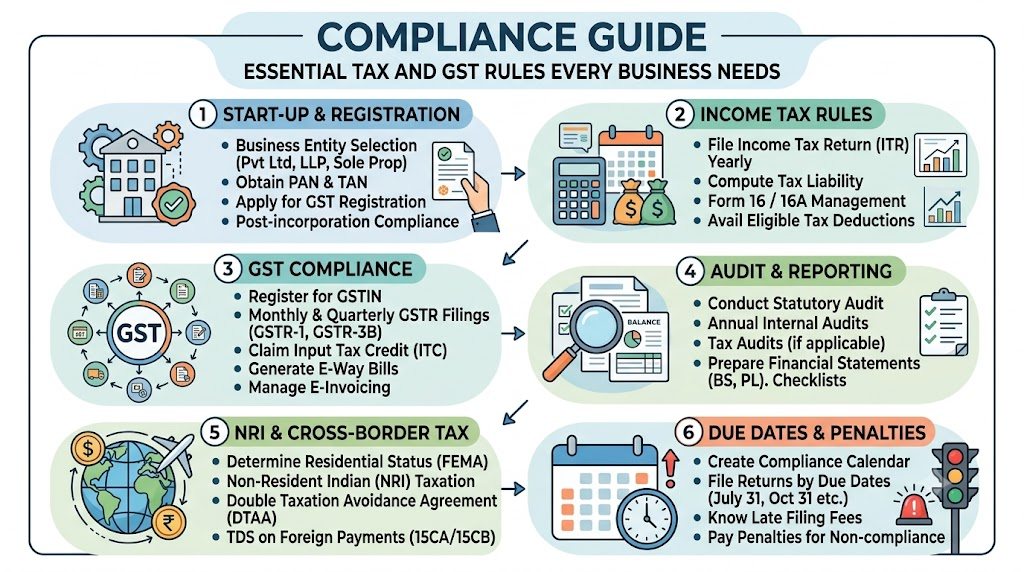
Managing financial obligations, regulatory compliance, and strategic tax planning can be challenging for individuals, startup founders, and established business owners alike. As global tax codes evolve and regulatory oversight becomes increasingly digitalized, working with qualified financial experts is essential for maintaining operational integrity and long-term security. Whether you are searching for a chartered accountant near me for localized tax advisory or seeking a flexible online CA consultation to handle complex multi-jurisdiction filings, securing proper professional guidance safeguards your enterprise against severe penalties and operational inefficiencies. Connecting with certified professionals has historically depended on word-of-mouth referrals, which often limits your choices to immediate local networks that may lack specific technical capabilities. Modern online discovery networks, such as BestCaNow, simplify this selection process by bringing together structured profiles, verified qualifications, and localized practice details into a single searchable interface.
Understanding the Role of a Modern Chartered Accountant
A Chartered Accountant (CA) serves as a strategic corporate advisor, legal compliance manager, and statutory auditor for individuals and complex business entities. Beyond traditional bookkeeping, modern CAs provide comprehensive risk assessments, tax optimization strategies, corporate restructuring advisory, and legal representation before statutory tax authorities. Their role encompasses both direct taxation (such as corporate and personal income taxes) and indirect taxation frameworks (such as Goods and Services Tax).
+-----------------------------------------------------------------------+
|                 MODERN CHARTERED ACCOUNTANT ROLE                      |
+-----------------------------------------------------------------------+
|  1. Statutory Auditing & Financial Reporting                          |
|  2. Direct & Indirect Tax Optimization (Income Tax, GST)               |
|  3. Corporate Governance & Ministry Compliance (MCA/ROC)              |
|  4. Strategic Financial Advisory & Capital Structuring                |
+-----------------------------------------------------------------------+
Key Service Areas: Taxation, Auditing, and Advisory
The primary functions of a professional accounting practice fall into three core categories:
- Taxation Services: Structuring complex transactions to maximize legitimate tax efficiency, preparing annual filings, managing TDS obligations, and addressing cross-border tax considerations.
- Auditing and Assurance: Conducting statutory, internal, tax, and forensic audits to verify financial transparency and maintain regulatory alignment across departments.
- Advisory Services: Assisting with business model evaluation, capital allocation strategies, merger valuations, debt restructuring, and regulatory registrations.
Working with an experienced income tax consultant near me ensures that all individual declarations, investment proofs, exemptions, and deductions are properly processed under standard statutory deadlines.
Why Professional CA Services Matter for Long-Term Growth
Maintaining organized financial operations is not merely a matter of legal compliance; it is a fundamental driver of business expansion and investor confidence. Inaccurate bookkeeping or delayed filings can trigger substantial statutory penalties, freeze corporate credit lines, and undermine investor confidence during due diligence processes. Professional financial experts build reliable structural frameworks that ensure every transaction is documented and categorized according to applicable national and international accounting standards.
+-----------------------------------------------------------------------+
|                    BUSINESS COMPLIANCE MATRIX                         |
+-----------------------------------------------------------------------+
| Regulatory Filing  -->  Prevents Penalties & Legal Actions            |
| Tax Optimization   -->  Preserves Working Capital                     |
| Audited Books      -->  Unlocks Institutional Financing & Equity      |
+-----------------------------------------------------------------------+
Furthermore, certified accountants identify potential fiscal exposures before they manifest as costly legal disputes. By establishing robust internal controls, automating reporting routines, and conducting ongoing risk reviews, businesses can maintain predictable cash flows while focusing on their core operational goals and market acquisition strategies.
Key Services Offered by Chartered Accountants
Chartered Accountants offer a diverse range of professional capabilities designed to support every phase of an organization’s development.
+-----------------------------------------------------------------------+
|                       CORE SERVICE VERTICALS                          |
+-----------------------------------------------------------------------+
|  [ Incorporation ] --> [ Tax & GST Filing ] --> [ Audit & Assurance ] |
+-----------------------------------------------------------------------+
Business Registration and Corporate Structure Setup
Establishing a new business entity requires navigating statutory filing protocols across multiple government portals. A qualified CA for company registration evaluates the underlying business model to recommend the most suitable corporate structure—whether a Sole Proprietorship, Partnership, Limited Liability Partnership (LLP), or Private Limited Company. They manage parameter verification, draft constitutional documentation, secure necessary registrations, and obtain essential tax identifiers such as PAN, TAN, and GSTIN.
Ongoing Tax Planning and Regulatory Filings
Ongoing operations require consistent, meticulous execution of tax obligations. An established GST consultant near me manages monthly or quarterly return filings, reconciles input tax credits (ITC), addresses ledger discrepancies, and handles statutory GST audits. Concurrently, tax specialists analyze annual financial results to recommend legal tax deduction frameworks, optimize capital gains structures, and prepare comprehensive income tax returns.
Benefits for Individuals, Small Businesses, and Corporations
Engaging professional accounting services yields distinct advantages tailored to different organizational scales:
+-----------------------------------------------------------------------+
|                       TARGET BENEFIT MAP                              |
+-----------------------------------------------------------------------+
| Individuals    : Maximize tax deductions, maintain clean wealth records|
| Small Businesses: Streamline cash flow, ensure automated GST compliance|
| Corporations   : Establish risk governance, complete statutory audits  |
+-----------------------------------------------------------------------+
- For Individual Taxpayers: Professional guidance optimizes salary structures, accurately records capital gains from financial investments, and clarifies international income assets to prevent double taxation.
- For Small & Medium Enterprises (SMEs): External specialists handle payroll compliance, monitor cash flow metrics, maintain general ledgers, and satisfy local statutory mandates without the overhead of an in-house accounting department.
- For Large Corporations: Dedicated audit teams conduct independent evaluations, establish internal control frameworks, manage complex corporate taxation strategies, and handle multi-jurisdictional compliance.
Specialized Use Cases: Startups and MSMEs
Startups operating in modern technological and venture-backed sectors face unique financial and compliance requirements. Engaging a dedicated CA for startups ensures that early-stage businesses construct scalable accounting foundations from day one.
Startups frequently manage complex financial activities such as issuing convertible notes, allocating Employee Stock Ownership Plans (ESOPs), managing venture capital funding rounds, and satisfying specialized statutory requirements like DPIIT recognition. Financial experts assist founders in maintaining clean capitalization tables and preparing audit-ready financial statements for investor due diligence.
+-----------------------------------------------------------------------+
|                      STARTUP FINANCIAL ROADMAP                        |
+-----------------------------------------------------------------------+
| Entity Setup --> DPIIT Registration --> Investor Due Diligence Prep   |
+-----------------------------------------------------------------------+
For Micro, Small, and Medium Enterprises (MSMEs), qualified accountants assist in securing government subsidy benefits, registering on specialized credit portals, managing priority lending documentation, and establishing working capital lines with top banking institutions.
NRI Tax and Cross-Border Compliance Considerations
Non-Resident Indians (NRIs) managing income streams across international borders face intricate regulatory frameworks governed by Foreign Exchange Management Act (FEMA) guidelines and Double Taxation Avoidance Agreements (DTAA).
A specialized NRI tax consultant in India helps non-resident clients navigate key cross-border issues:
- Determination of Residential Status: Evaluating physical stay criteria to establish tax liability under local and foreign laws.
- DTAA Relief Claims: Preventing duplicate taxation on income earned in one jurisdiction and remitted to another through structured tax credits.
- Repatriation Formalities: Executing necessary certifications (such as Form 15CA and Form 15CB) required by banking institutions to transfer funds abroad legally.
- Property and Investment Advisory: Managing withholding taxes (TDS) on the sale of ancestral or acquired real estate and optimizing reinvestment strategies.
Navigating Company Registration and GST Compliance
Establishing a legally compliant business entity involves sequential statutory procedures. The initial step requires selecting an appropriate organizational framework based on capital requirements, liability preferences, and long-term operational scope.
+-----------------------------------------------------------------------+
|                    COMPANY INCORPORATION STEPS                        |
+-----------------------------------------------------------------------+
| Step 1: Digital Signature & Name Approval Reservation                 |
| Step 2: Drafting Charter Documents (MoA & AoA)                        |
| Step 3: Statutory Submission to Corporate Registrars                  |
| Step 4: Acquisition of PAN, TAN, Bank Account & GSTIN                 |
+-----------------------------------------------------------------------+
Once incorporated, maintaining active GST compliance becomes a continuous operational obligation. Business owners must issue standardized tax invoices, reconcile monthly purchase data with supplier disclosures, file timely quarterly or monthly returns, and maintain digital tax ledgers to prevent statutory compliance freezes or supplier disputes.
Service Comparisons and Business Decision Frameworks
To help business leaders evaluate operational models, corporate structures, and service types, the following comparison frameworks highlight key features, advantages, limitations, and costs across core accounting decisions.
Table 1: Online CA Consultation vs In-Person Consultation
| Feature | Online CA Consultation | In-Person Consultation |
| Primary Access Mode | Digital portals, video conferences, securely encrypted document transfer | On-site office visits, face-to-face meetings, physical paper handovers |
| Geographic Flexibility | Unrestricted access to specialists nationwide | Constrained to local office locations and commuting limits |
| Turnaround Time | Rapid digital document exchange and online follow-ups | Scheduled appointments with physical transit time |
| Cost Efficiency | Lower operational overhead, flexible micro-consultation fees | Higher fee structure reflecting physical office operational costs |
| Best Use Cases | Routine tax returns, GST filings, startup registration, NRI taxation | Complex corporate litigation, multi-department physical audits |
Table 2: Sole Proprietorship vs LLP vs Private Limited Company
| Feature | Sole Proprietorship | Limited Liability Partnership (LLP) | Private Limited Company |
| Legal Status | Unincorporated entity (owner equals business) | Separate legal entity | Distinct legal corporate entity |
| Owner Liability | Unlimited personal liability | Limited to committed capital contribution | Limited to nominal value of shares |
| Compliance Overhead | Minimal annual compliance requirements | Moderate compliance obligations (Annual ROC forms) | Comprehensive compliance obligations (Audits, Board meetings) |
| Fundraising Capacity | Restricted to personal loans and personal capital | Allowed via partner capital contributions | High equity fundraising capacity via share issuance |
| Cost Considerations | Lowest setup and maintenance costs | Moderate setup and maintenance costs | Higher initial incorporation and auditing costs |
Table 3: In-House Accountant vs External Chartered Accountant
| Feature | In-House Accountant | External Chartered Accountant |
| Operational Focus | Daily invoicing, routine bookkeeping, basic transactional logging | Statutory oversight, tax advisory, audit certification, compliance strategy |
| Statutory Authority | Cannot sign statutory audit reports or certify balance sheets | Authorized to sign statutory audits, tax returns, and legal certifications |
| Cost Structure | Fixed monthly salary, benefits, and workplace overhead | Scalable retainers or project-based fee structures |
| Depth of Expertise | Focused primarily on daily internal procedures | Specialized, multi-industry experience across evolving tax codes |
| Best Use Cases | Continuous transactional logging and daily billing management | Complex tax planning, statutory returns, financial auditing, advisory |
How to Choose the Right Chartered Accountant for Your Needs
Selecting an appropriate accounting professional requires evaluating several key parameters to ensure a successful, long-term partnership:
+-----------------------------------------------------------------------+
|                    CA EVALUATION CHECKLIST                            |
+-----------------------------------------------------------------------+
| [ ] Verified Professional Credentials & Active Membership             |
| [ ] Relevant Industry Specialization & Practical Experience            |
| [ ] Transparent, Upfront Fee Structures                               |
| [ ] Robust Digital Infrastructure & Secure Data Handling              |
+-----------------------------------------------------------------------+
- Verify Official Credentials: Ensure the professional holds an active membership certificate from the recognized national accounting institution.
- Assess Domain Specialization: Confirm whether the practitioner possesses proven experience in your specific domain—such as startup funding, manufacturing GST frameworks, or international cross-border tax advisory.
- Evaluate Technology Adoption: Confirm that the professional utilizes secure digital platforms for document exchange, automated return filing, and virtual consultations.
- Clarify Pricing Models: Review fee schedules in advance to avoid hidden charges for routine advisory, return revisions, or statutory representation.
Best Practices for Financial Records and Compliance Management
Establishing disciplined internal financial habits prevents tax disputes, optimizes operational visibility, and simplifies statutory reporting.
- Separate Personal and Business Accounts: Never mix personal expenses with corporate financial accounts. Maintain dedicated banking structures for clear, uncompromised bookkeeping.
- Maintain Real-Time Digital Documentation: Scan and categorize all purchase vouchers, sales invoices, tax receipts, and bank statements immediately upon issue using cloud storage.
- Schedule Pre-Tax Closing Reviews: Conduct quarterly internal financial reviews with your advisor to estimate tax liabilities in advance, avoiding year-end capital strain.
- Automate Statutory Payment Deadlines: Set automated calendar triggers for TDS payments, advance tax installments, and monthly GST return deadlines.
Expert Tips for Hiring and Partnering with Financial Experts
To maximize the value of your relationship with a financial advisor, consider these practical recommendations:
- Conduct an Initial Readiness Assessment: Before your initial meeting, gather relevant financial statements, prior tax filings, and specific business questions to maximize discussion efficiency.
- Establish Clear Communication Protocols: Agree in advance on communication channels, expected turnaround times for queries, and dedicated contact points within the firm.
- Leverage Comprehensive Directories: Utilize a structured chartered accountant directory to evaluate multiple practitioner profiles, compare specialization areas, and select advisors who align with your budget and business scope.
- Request Periodic Risk Appraisals: Beyond routine tax filings, ask your financial advisor to perform bi-annual compliance reviews to identify potential reporting gaps.
Common Mistakes to Avoid When Managing Tax and Compliance
Businesses frequently make preventable financial and legal errors due to oversight, lack of technical knowledge, or delayed action.
+-----------------------------------------------------------------------+
|                    COMMON COMPLIANCE PITFALLS                         |
+-----------------------------------------------------------------------+
| Pitfall 1: Missing Critical Filing Deadlines (Incurs Penalties)       |
| Pitfall 2: Selecting Advisors Based Solely on Lowest Cost            |
| Pitfall 3: Failing to Reconcile Input Tax Credit (ITC) Data           |
| Pitfall 4: Neglecting Statutory Ledger Documentation                  |
+-----------------------------------------------------------------------+
- Missing Statutory Filing Deadlines: Delaying GST returns or income tax filings leads to recurring late fees, interest charges, and potential legal notices from regulatory bodies.
- Selecting Advisors Based Solely on Price: Choosing financial services based exclusively on the lowest fee often results in missed tax benefits, inaccurate reporting, and inadequate compliance management.
- Ignoring Input Tax Credit (ITC) Reconciliation: Failing to match internal purchase logs with vendor portal disclosures can lead to disallowed tax credits and unexpected cash flow shortages.
- Inadequate Document Archival: Discarding transactional logs prematurely creates challenges during tax audits or statutory verification procedures.
The Future of Digital Accounting and Virtual CA Directories
The accounting profession is undergoing a significant digital transformation. Cloud-based general ledgers, artificial intelligence reconciliation systems, and automated tax portals have changed how professionals interact with clients.
Modern virtual discovery networks streamline client-advisor connections by eliminating geographical constraints. Using an online platform allows a startup founder in a Tier-2 hub to work with a specialized corporate tax expert in a major commercial center just as easily as booking a local meeting. These directory models combine transparent profile metrics with flexible video consulting capabilities, giving businesses seamless access to specialized expertise without high institutional retainers.
Why Choose BestCaNow for Your Professional CA Search
Finding a reliable, highly qualified financial expert should be straightforward, fast, and transparent. BestCaNow addresses this need by providing a comprehensive directory platform designed to connect individuals, startup founders, MSMEs, and corporate teams with certified financial professionals worldwide.
Through the platform, users can explore verified practitioner profiles, filter searches by specific location or domain expertise, and select advisors who fit their budget and operational needs. Whether you need an audit services near me practitioner for on-site verification, a GST consultant for ongoing returns, or an experienced cross-border advisor for NRI tax planning, the platform offers a streamlined, user-friendly search experience. By simplifying the discovery process, BestCaNow enables users to make informed financial decisions and build lasting professional partnerships.
Frequently Asked Questions (FAQs)
Q1: What is the primary difference between a tax consultant and a Chartered Accountant?
An income tax consultant typically focuses on preparing and filing basic income tax returns. In contrast, a Chartered Accountant is a certified statutory professional qualified to conduct statutory audits, sign audited financial statements, represent clients in legal tax proceedings, and provide comprehensive corporate financial advisory.
Q2: How can I locate a verified chartered accountant near me using an online directory?
You can browse a structured online accounting directory to filter practitioners by location, practice specialization, industry experience, and client ratings. This allows you to evaluate multiple verified profiles and select an advisor tailored to your financial requirements.
Q3: Why should a startup engage a CA for company registration instead of using self-service templates?
A specialized accounting professional helps select the optimal legal structure, drafts customized constitutional documents, manages corporate parameter registrations, and ensures complete compliance with government regulations, preventing costly structural errors during future fundraising rounds.
Q4: What qualifications should I verify before booking an online CA consultation?
You should verify that the professional maintains active membership with the official statutory accounting body, possesses experience in your industry, offers transparent fee schedules, and utilizes secure digital channels for document management and communication.
Q5: How often should a small business consult with its GST consultant near me?
Small businesses should communicate with their GST advisor monthly or quarterly to review purchase registers, reconcile input tax credit disclosures, verify outgoing invoices, and prepare statutory monthly or quarterly GST return filings on time.
Q6: What cross-border tax issues require the expertise of an NRI tax consultant in India?
An NRI tax consultant assists with determining residential status under tax law, claiming relief under Double Taxation Avoidance Agreements (DTAA), executing repatriations via Form 15CA/15CB certifications, and managing tax withholding on real estate transactions in India.
Q7: When is a business required to undergo a statutory tax audit?
A business must undergo a statutory tax audit when its total sales, turnover, or gross receipts exceed specified statutory monetary thresholds during a financial year, or when required by specialized regulatory provisions based on chosen tax schemes.
Q8: What documentation is required for filing individual income tax returns?
Key documentation includes Form 16 issued by employers, annual bank interest statements, investment deduction certificates, capital gains statements from brokerage accounts, details of foreign assets (if applicable), and pre-filed tax credit summaries.
Q9: How does engaging a dedicated CA for startups help during venture capital fundraising?
A startup accountant maintains audit-ready balance sheets, manages capitalization tables, ensures compliance with share allotment rules, handles DPIIT registration requirements, and assists founders during investor financial due diligence reviews.
Q10: Can an online accounting consultant handle statutory filing obligations across different states?
Yes, certified professionals can manage multi-state statutory filings, regional GST returns, corporate filings, and income tax submissions remotely using modern electronic filing portals and secure cloud document transfer systems.
Q11: What common errors should businesses avoid during monthly GST compliance filing?
Common errors include failing to reconcile vendor input tax credits with portal disclosures, classifying taxable sales under incorrect rate slabs, delaying return submissions beyond statutory due dates, and maintaining incomplete invoice records.
Q12: How do audit services near me help protect my business from financial penalties?
Local audit professionals conduct independent evaluations of your accounting ledgers, identify internal control weaknesses, uncover reporting discrepancies, and ensure full alignment with current tax laws before official regulatory audits occur.
Q13: What factors determine the overall cost of hiring a Chartered Accountant?
Costs depend on the complexity of your financial operations, annual business turnover volume, the range of required services (such as routine filing versus statutory auditing), the practitioner’s level of experience, and whether services are retained on a project or monthly basis.
Q14: Is it necessary for small and micro enterprises (MSMEs) to maintain audited financial records?
While statutory audit requirements depend on legal structure and annual turnover thresholds, maintaining accurate, professionally reviewed books helps MSMEs secure institutional credit, obtain government subsidies, and build investor trust.
Q15: How does a chartered accountant directory simplify the search for specialized financial services?
A specialized directory organizes practitioner profiles into an easily searchable database. Users can filter advisors by location, domain expertise, service mode, and experience levels, making it simple to compare candidates and select the right partner for their business needs.
Conclusion
Navigating the complexities of direct taxation, indirect GST compliance, statutory auditing, and corporate registration requires expert financial oversight. Attempting to manage complex regulatory filings without professional support often leads to missed deductions, compliance delays, and costly statutory penalties. Whether you are an individual taxpayer aiming to optimize investments, a startup founder building an investor-ready company, or an established enterprise requiring full statutory audits, partnering with the right Chartered Accountant provides long-term financial stability. By utilizing structured, transparent discovery platforms, finding qualified financial experts tailored to your business needs has never been easier. Investing in qualified financial counsel ensures full regulatory compliance, optimizes tax strategy, and gives business leaders the confidence to focus on core growth initiatives.
