Upgrade & Secure Your Future with DevOps, SRE, DevSecOps, MLOps!
We spend hours scrolling social media and waste money on things we forget, but won’t spend 30 minutes a day earning certifications that can change our lives.
Master in DevOps, SRE, DevSecOps & MLOps by DevOps School!
Learn from Guru Rajesh Kumar and double your salary in just one year.
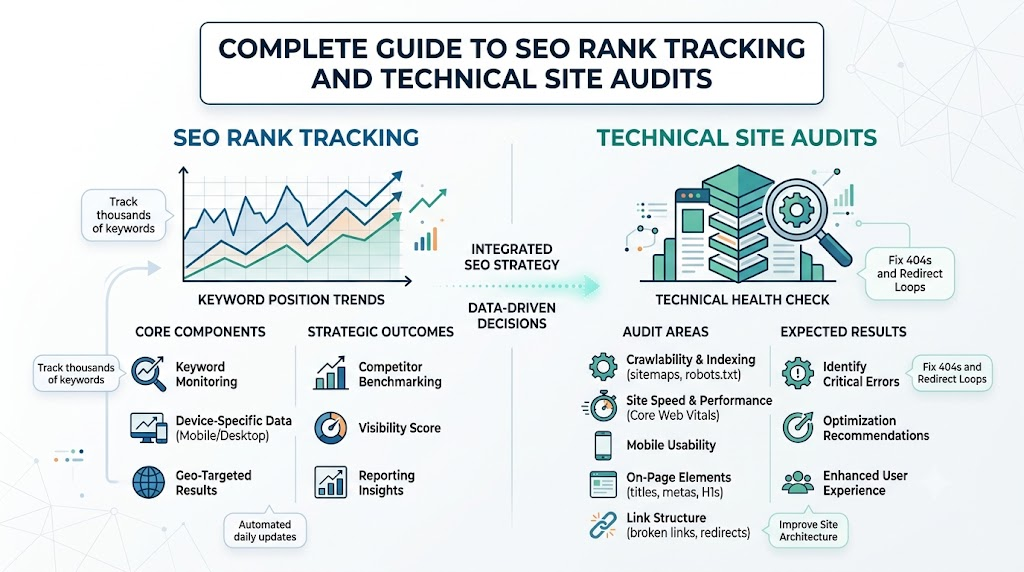
Managing modern organic growth requires juggling multiple moving parts. Search engine optimization demands constant technical monitoring, deep keyword analysis, backlink building, content production, and cross-team collaboration. When agencies, freelancers, and enterprise teams rely on fragmented software applications to handle each individual task, efficiency drops, data gets siloed, and operational costs multiply rapidly. Connecting these scattered processes into a cohesive workflow is the key challenge facing digital growth teams today. Centralized marketing environments solve this fragmentation by providing a single workspace for technical auditing, rank tracking, digital asset management, and campaign execution. Integrating automated workflows and centralizing key performance data allows marketing professionals to move away from spreadsheet management and focus on high-impact strategy. In this comprehensive guide, we examine how robust SEO management tools streamline multi-channel execution, eliminate operational bottlenecks, and empower modern content teams to build high-ranking, scalable digital presence.
WHAT IS AN ALL-IN-ONE DIGITAL MARKETING PLATFORM?
An all-in-one digital marketing platform is a centralized software ecosystem that consolidates core marketing functions—such as search engine optimization, content strategy, campaign project management, asset storage, and performance reporting—into a unified interface. Rather than subscribing to separate niche utilities for keyword research, backlink checking, and task delegation, marketing teams execute their entire lifecycle strategy through a single integrated system.
+-----------------------------------------------------------------------+
|                ALL-IN-ONE DIGITAL MARKETING PLATFORM                  |
+-------------------+-------------------------------+-------------------+
|  SEO Operations   |   Project & Workflow Control  |  Asset & Growth   |
|  • Rank Tracking  |   • Task Delegation           |  • Asset Library  |
|  • Site Audits    |   • Milestone Tracking        |  • Influencers    |
|  • Link Building  |   • Automated Workflows       |  • Analytics      |
+-------------------+-------------------------------+-------------------+
Core Components
Modern centralized marketing platforms bring together key operational modules, including:
- Technical SEO & Auditing: Automated engines that scan websites for crawl errors, broken links, and site performance metrics.
- Rank & Keyword Analytics: Trackers that measure search engine visibility across desktop and mobile devices.
- Project & Workflow Management: Task delegation, deadline tracking, and approval flows customized for agency and in-house execution.
- Digital Asset Management (DAM): Centralized repositories for storing, tagging, and organizing media files and brand assets.
- Influencer & Outreach Portals: Marketplaces to discover brand partners, organize campaigns, and track outreach value.
Why Businesses Need Centralization
Managing separate tools creates operational friction. Disconnected software leads to inconsistent reporting, forgotten credentials, duplicate subscriptions, and communication delays between content creators and SEO strategists. Unified platforms eliminate data silos by giving teams a clear view of how technical updates, link acquisition, and content publishing directly affect organic rankings and revenue.
Key Operational Benefits
Deploying a single platform provides distinct operational advantages:
- Cost Optimization: Consolidates software overhead into a predictable operational expense.
- Data Consistency: Establishes a single source of truth across all campaign metrics and reports.
- Faster Execution: Reduces the time required to convert raw search data into actionable production tasks.
SEO MANAGEMENT SOFTWARE
Executing successful search campaigns requires clear planning and ongoing tracking. Dedicated SEO management software provides the foundational infrastructure needed to plan campaigns, analyze competitors, track keywords, and generate clear performance summaries for stakeholders.
+-------------------------------------------------------------------+
|                   SEO MANAGEMENT WORKFLOW STEPS                   |
+-------------------------------------------------------------------+
|  1. Keyword Discovery  ===>  Find high-intent search terms        |
|  2. Campaign Planning  ===>  Map queries to content calendars     |
|  3. Performance Review ===>  Monitor organic traffic & visibility |
|  4. Competitor Audit   ===>  Uncover content & backlink gaps      |
|  5. Unified Reporting  ===>  Share insights with stakeholders     |
+-------------------------------------------------------------------+
Keyword Research and Strategy
Identifying high-intent search queries is the foundation of organic visibility. Strategic tools analyze search volume, keyword difficulty, intent markers, and SERP features to reveal underlying audience needs. By organizing queries into topical clusters, teams build topical authority rather than targeting isolated, disconnected terms.
Campaign Planning
Turning research into results requires structured execution. Campaign modules help marketing teams map target keywords to specific site landing pages, set ranking targets, schedule content updates, and coordinate link-building campaigns.
Performance Monitoring
Organic search algorithms update frequently. Continuous performance monitoring tracks changes in organic traffic, visibility scores, and click-through rates. Detecting changes early allows strategists to adjust target content before traffic drops significantly.
Competitor Analysis
Understanding competitor strategy highlights content gaps and link opportunities. Systematic analysis shows which keywords drive competitor traffic, where their high-quality backlinks originate, and how their technical setup performs. According to research from Ahrefs, analyzing domain intersections and content gaps is one of the fastest ways to uncover unranked keyword opportunities.
Client and Executive Reporting
Generating clean, automated reports saves time for agencies and in-house managers. Standardized reporting formats transform technical search metrics into clear executive summaries that highlight ROI, keyword progress, and strategic achievements.
SEO RANK TRACKING
Search engine result pages (SERPs) change constantly based on user locations, devices, and algorithmic adjustments. An automated SEO rank tracking tool gives teams real-time visibility into keyword performance across search environments.
Keyword Monitoring Across SERPs
Manual position checks are inaccurate due to personalization and location bias. Automated rank trackers monitor keyword positions systematically across search engines, giving teams precise visibility into everyday rank changes.
Analyzing Ranking Trends
Individual daily movements are less important than long-term ranking trends. Tracking position curves over 30, 90, or 180 days highlights whether optimization efforts are driving sustainable progress or hitting performance ceilings.
Device-Specific Tracking
User search behavior and SERP layouts differ significantly between mobile and desktop devices. Rank monitoring tools split desktop performance from mobile results, helping teams address mobile-specific usability issues or localized search differences.
Location-Based Rankings
Businesses operating across multiple regions need localized ranking data. Geo-specific tracking accurately records rankings down to specific countries, states, cities, or postal codes, ensuring hyper-local campaigns are measured correctly.
Competitor Position Comparison
Tracking target keywords alongside direct market competitors shows market share shifts in real time. If a competitor gains visibility on a core term, teams can quickly analyze their updated page and refine their own content strategy.
TECHNICAL SEO SITE AUDIT
Technical errors can prevent high-quality content from ranking well in search engines. A comprehensive technical SEO site audit tool scans websites systematically to identify crawl barriers, technical bugs, and site speed bottlenecks before they hurt search visibility.
+-------------------------------------------------------------------+
|               CORE AREAS OF A TECHNICAL SITE AUDIT                |
+-------------------------------------------------------------------+
|  [Crawl & Indexing]  -->  Fix broken links, 404s, redirect loops  |
|  [Content Quality]   -->  Resolve duplicate text, missing metadata|
|  [Site Performance]  -->  Optimize mobile usability & site speed  |
|  [Architecture]      -->  Validate XML sitemaps & URL structures  |
+-------------------------------------------------------------------+
Broken Links and Redirect Errors
Broken internal and external links disrupt user experience and waste crawl budget. Automated site scans catch 404 errors, broken links, and redirect chains so technical teams can update broken paths quickly.
Crawl Errors and Accessibility
Search engine crawlers rely on clear site architectures to discover content. Technical audit platforms highlight crawl blockages caused by misconfigured robots.txt files, rogue noindex tags, or server timeout issues.
Duplicate Content Identification
Identical or near-identical content across multiple URLs confuses search engines about which page to index and rank. Audit tools flag duplicate titles, H1 tags, and body content, prompting teams to add canonical tags or restructure URLs.
Missing Metadata
Title tags and meta descriptions directly affect search CTR. Audits flag missing, truncated, or duplicate metadata across thousands of pages, ensuring every landing page is fully optimized for search results.
Mobile Usability
Mobile-first indexing requires every web page to perform smoothly on mobile devices. Technical scanners highlight unclickable elements, viewport misconfigurations, horizontal scrolling issues, and slow rendering on mobile screens.
Site Speed and Performance
Site speed is an official search ranking factor. According to official guidelines from Google Search Central, optimizing site load speeds and meeting Core Web Vitals targets improves search rankings and user conversions.
Sitemap and Indexing Problems
XML sitemaps guide search crawlers to high-priority content. Audits verify that sitemaps are properly formatted, up to date, free of redirected URLs, and submitted correctly to engines via tools like Google Search Console Help.
BACKLINK ANALYSIS
Backlinks remain a primary ranking factor in modern search algorithms. Using a dedicated backlink analysis tool allows digital growth managers to evaluate link profile quality, track new links, and spot low-quality links that need disavowal.
Analyzing Referring Domains
Measuring total backlink volume alone is misleading; domain diversity matters more. Analyzing referring domains evaluates how many unique, high-authority websites link back to target domains.
Anchor Text Distribution
Anchor text profiles must appear natural to search engines. Over-optimized anchor text packed with exact-match keywords can trigger algorithmic penalties. Modern link analytics tools track anchor balances across branded, exact-match, partial-match, and naked URL variations.
Natural Anchor Text Profile Breakdown:
================================================================
[Branded Terms]            ######################## (50%)
[Generic / Naked URLs]     ############## (30%)
[Partial / Exact Match]    ####### (20%)
================================================================
Assessing Link Quality and Domain Authority
Not all backlinks carry equal weight. High-quality links from established, topically relevant sites boost authority, while links from automated link networks or low-tier directories offer little to no SEO value.
Identifying Toxic Links
Low-quality backlink networks or negative SEO tactics can flood site profiles with toxic spam links. Regular audits identify suspicious link clusters, allowing SEO managers to export clean disavowal files to protect site rankings.
Competitor Backlink Audits
Analyzing competitor link profiles reveals where industry peers earn coverage, guest posts, and directory placements. Mapping these link gaps gives teams a clear list of target websites for direct link outreach.
SEO PROJECT MANAGEMENT
Planning digital marketing campaigns across teams requires organized project execution. Implementing specialized SEO project management software bridges the gap between high-level SEO strategy and daily content execution.
Task Assignment and Accountability
Complex SEO campaigns involve multiple contributors—from developers fixing technical code to writers drafting content. Task management tools let managers assign specific action items, set priorities, and establish clear operational accountability.
Campaign Planning Timelines
SEO results take time to develop. Setting clear campaign timelines, milestone targets, and content release dates keeps teams aligned and ensures long-term search initiatives stay on track.
Team Collaboration
Centralizing comments, revision histories, and target keyword data directly within task threads eliminates scattered email chains. Developers, strategists, and copywriters collaborate within shared project hubs.
Workflow Tracking and Progress Metrics
Visual management frameworks like Kanban boards, Gantt charts, and sprint lists help managers monitor project progress in real time. Transparency helps teams identify and resolve operational delays before deadlines are missed.
Milestone Management
Breaking larger campaigns—such as site migrations or 100-page content updates—into smaller milestones keeps complex projects manageable. Completing clear milestones helps keep stakeholders informed and invested.
DIGITAL MARKETING WORKFLOW MANAGEMENT
Connecting technical audits, content creation, and analytics into repeatable operations requires structured processes. Utilizing digital marketing workflow management software helps teams scale marketing outputs while keeping quality high.
+-----------------------------------------------------------------------+
|                    MARKETING WORKFLOW PIPELINE                        |
+-----------------------------------------------------------------------+
|  Content Request --> Technical Brief --> Draft & Edit --> Published   |
|         |                   |                  |             |        |
|  [SEO Strategy]     [Keyword Target]   [Asset Attach]  [Rank Track]   |
+-----------------------------------------------------------------------+
Streamlining Campaign Workflows
Standardizing recurring workflows—such as publishing new blog posts, completing monthly site audits, or launching link-building outreach—reduces manual overhead and eliminates missed operational steps.
Cross-Department Coordination
Digital marketing efforts require close collaboration between strategy, design, development, and PR teams. Automated workflows route assets and tasks to the correct department at each stage of production.
Process Automation
Automating manual tasks—such as sending status updates, reassigning completed tasks, and triggering technical audits—frees up strategic team members to focus on creative work and high-level campaign execution.
Operational Productivity
Organized workflows give team members clear daily priorities, reducing context switching and helping teams deliver client campaigns faster and more efficiently.
DIGITAL ASSET MANAGEMENT
Marketing teams produce hundreds of visual and media files monthly. Storing these files across fragmented cloud folders creates organizational chaos. Enterprise-grade digital asset management software for marketing teams centralizes visual content, maintains brand consistency, and simplifies asset access.
Centralized Storage for Images and Videos
Maintaining a central library for high-resolution images, brand graphics, video clips, and marketing templates ensures content creators use approved, production-ready files for every campaign.
Brand Asset Organization
Organizing brand guidelines, logos, typography files, and design templates within a secure repository prevents brand dilution and ensures visual consistency across all marketing channels.
File Version Control
Publishing outdated logos or unapproved graphic designs hurts brand credibility. Built-in version control replaces old file variations with current assets while preserving version histories for legal and design review.
Metadata, Tagging, and Asset Search
Finding specific media files quickly requires rich metadata. Smart asset management systems let users tag files with keywords, usage rights, campaign names, and file types, making media libraries easily searchable.
INFLUENCER MARKETING
Influencer collaborations expand brand reach and generate high-value contextual backlinks. Utilizing an integrated influencer marketing marketplace helps brands identify relevant creators, manage outreach, and measure campaign performance from a single dashboard.
+-----------------------------------------------------------------------+
|                   INFLUENCER CAMPAIGN LIFECYCLE                       |
+-----------------------------------------------------------------------+
|  Discovery  ==>  Filter by niche, audience size, and engagement rate  |
|  Outreach   ==>  Manage campaign briefs and content terms             |
|  Tracking   ==>  Monitor referral traffic, backlinks, and ROI         |
+-----------------------------------------------------------------------+
Finding Relevant Influencers
Filter creator directories by audience demographics, engagement rates, niche industries, and primary channels to find partners who align closely with your brand values and audience targets.
Campaign Management and Outreach
Manage creator briefs, content guidelines, publishing dates, and compensation contracts within a single workspace, simplifying campaign management across multiple creator partnerships.
Tracking Campaign Performance
Monitor campaign reach, engagement rates, referral traffic, and brand mentions generated by influencer campaigns. Linking creator activities to organic traffic growth highlights true partnership value.
WHO SHOULD USE WIZBRAND?
WizBrand provides flexible marketing management solutions tailored to diverse operational models and growth stages:
SEO Agencies
Agencies managing multiple client accounts use WizBrand to organize projects, run automated technical site audits, track keyword rankings, and deliver white-label reports from a single dashboard.
Digital Marketing Agencies
Multi-channel agencies benefit from integrating technical SEO, digital asset management, team workflows, and influencer management into one operational platform.
Freelancers and Consultants
Independent marketers save time and software overhead by replacing multiple single-use tools with a unified platform for keyword tracking, audits, and reporting.
In-House Marketing Teams
Corporate marketing departments streamline cross-functional workflows, manage digital media assets, assign content tasks, and align organic search strategies with broader revenue goals.
Enterprises
Large enterprise operations manage multiple global domains, large content libraries, and distributed marketing teams through centralized governance and permission management.
Startups
Agile startups leverage integrated marketing infrastructure to build organic search visibility, publish content efficiently, and scale marketing efforts without managing complex tool stacks.
Content Teams
Publishers and editorial teams use built-in project management and asset libraries to organize content calendars, assign drafts, manage images, and optimize articles for search targets.
E-Commerce Businesses
Online retailers use automated site audits to maintain large product catalogs, track high-intent commercial keywords, and manage product media assets efficiently.
Influencers and Content Creators
Creators connect with growing brands, join campaign brief networks, streamline sponsorship deliverables, and track audience growth performance.
Advertisers
Performance advertisers coordinate creative media assets, align paid landing pages with technical SEO targets, and evaluate cross-channel campaign value.
MANAGING MULTIPLE TOOLS VS AN ALL-IN-ONE PLATFORM
Using separate point solutions creates operational silos, increases software costs, and fractures performance data. Deploying a unified platform streamlines operations and maintains data integrity across campaigns.
| Operational Function | Multiple Disconnected Tools | Unified Marketing Platform (WizBrand) |
| SEO & Rank Tracking | Managed in isolated tools; difficult to map rankings to daily content tasks. | Integrated directly with keyword planners, audit suites, and team task logs. |
| Project Management | Handled in third-party task boards disconnected from technical search data. | Built directly around SEO workflows, page updates, and site audit findings. |
| Backlink Management | Monitored in standalone link tools; difficult to connect to outreach tasks. | Linked directly with project workflows, outreach efforts, and competitor tracking. |
| Asset Management | Files scattered across local drives, email threads, and shared cloud folders. | Centralized asset library with tagging, permissions, and direct task linking. |
| Performance Reporting | Hours spent aggregating data manually from multiple software dashboards. | Automated custom reports combining rankings, technical health, and team outputs. |
| Team Collaboration | Communication split across email threads, chat apps, and external task notes. | Centralized task threads keeping feedback connected directly to marketing assets. |
BUSINESS BENEFITS OF USING WIZBRAND
+-----------------------------------------------------------------------+
|                      KEY BUSINESS VALUE DRIVERS                       |
+-----------------------------------------------------------------------+
|  [Lower Software Overhead]  -->  Eliminate redundant tool costs       |
|  [Unified Reporting]        -->  Clear, reliable performance data     |
|  [Accelerated Output]       -->  Automate routine operational tasks   |
|  [Enhanced Visibility]      -->  Fix site errors & track ranks fast   |
+-----------------------------------------------------------------------+
Higher Team Productivity
Centralizing daily tasks, technical search data, and digital media files saves team members from constantly switching between apps, helping them complete projects faster.
Streamlined Campaign Workflows
Standardizing project management and content publishing processes ensures every campaign follows technical and creative best practices.
Faster Cross-Functional Collaboration
Centralizing conversations, approvals, and assets removes communication bottlenecks between strategy, development, and creative teams.
Improved Organic Search Visibility
Catching technical site errors early, monitoring ranking shifts, and building strong backlink profiles drives consistent search growth over time.
Reduced Software Complexity and Costs
Replacing fragmented single-use tools with a single platform reduces software management overhead, simplifies team onboarding, and cuts subscription expenses.
BEST PRACTICES FOR SEO & DIGITAL MARKETING MANAGEMENT
- Monitor SERP Visibility Regularly: Track core keyword positions weekly to spot ranking shifts early and adapt to search algorithm updates.
- Run Periodic Technical Audits: Schedule automated technical site scans monthly to catch broken links, slow pages, and crawling errors before they impact rankings.
- Maintain Organized Media Libraries: Standardize file tagging, version control, and folder structures so team members can find approved brand assets quickly.
- Audit Backlinks Continuously: Review incoming backlinks regularly to identify spam links, evaluate link quality, and discover new link outreach opportunities.
- Standardize Operational Workflows: Document repeatable processes for content creation, technical fixes, and campaign launches to maintain execution quality.
- Measure Business Impact: Focus reporting on metrics that drive business growth—such as organic conversions, rank improvements on high-intent terms, and overall campaign ROI—rather than vanity metrics.
COMMON DIGITAL MARKETING MISTAKES TO AVOID
Ignoring Technical SEO Health
Publishing great content will not produce search results if technical errors prevent search engine crawlers from indexing your site properly. Fix technical site issues before launching large content campaigns.
Operating in Disconnected Data Silos
When strategy, creative, and development teams work in isolated applications, campaigns slow down and execution errors increase. Centralize data and communication to keep teams aligned.
Neglecting Backlink Profile Quality
Focusing solely on backlink volume while ignoring link quality can lead to search penalties. Prioritize acquiring contextually relevant, high-authority links over bulk link acquisition.
Tracking Irrelevant Metrics
Focusing exclusively on overall site traffic instead of target conversions and commercial keyword rankings misaligns marketing activities with actual revenue growth.
FUTURE TRENDS IN SEO & DIGITAL MARKETING PLATFORMS
Automation and Intelligent Processing
Modern marketing platforms are increasingly adopting automated processing to analyze large search datasets, flag site errors, and recommend keyword optimization opportunities automatically.
Advanced Workflow Automation
Future marketing operations will rely heavily on end-to-end process automation. Triggers—such as a drop in keyword rankings—will automatically create technical audit tasks, assign team members, and alert account leads.
Cross-Channel Data Integration
As search result pages evolve, top-performing platforms will unify search metrics, social channels, influencer campaign outputs, and conversion data into single reporting environments. According to research from the Content Marketing Institute, teams using unified multi-channel workflows consistently deliver higher campaign ROI and faster market response times.
HOW WIZBRAND HELPS MARKETING TEAMS GROW
WizBrand provides the complete infrastructure modern marketing teams need to scale organic visibility and simplify daily operations:
- Centralized SEO Management: Unifies technical site audits, keyword strategy, and backlink monitoring within a single workspace.
- Automated Rank Tracking: Tracks position movements across device types, search engines, and target geographic regions.
- Comprehensive Technical Audits: Scans sites continuously to highlight crawl errors, performance bottlenecks, and indexing issues.
- Integrated Project & Workflow Tools: Connects search strategies directly with daily team tasks, approval chains, and editorial calendars.
- Digital Asset Management: Centralizes brand images, graphics, and video files with permission controls and metadata tagging.
- Influencer Collaboration Network: Simplifies creator outreach, brief delegation, and campaign performance tracking.
FREQUENTLY ASKED QUESTIONS (FAQ)
What is an all-in-one digital marketing platform?
An all-in-one digital marketing platform is an integrated software system that combines core digital marketing utilities into a single workspace. Instead of subscribing to separate applications for search optimization, project management, digital asset storage, and campaign analytics, teams execute their strategies through one centralized platform. This integration eliminates data silos, cuts subscription expenses, and helps team members collaborate more efficiently across campaigns.
What is SEO management software?
SEO management software provides the digital tools needed to plan, execute, monitor, and optimize search engine marketing campaigns. It includes features for keyword discovery, technical site auditing, competitor tracking, backlink evaluation, and automated client reporting. Using dedicated management software allows strategists to convert raw search engine data into organized team workflows that drive long-term organic traffic growth.
How does an SEO rank tracking tool work?
An SEO rank tracking tool checks search engine result pages (SERPs) automatically at scheduled intervals to record where specific website pages rank for target keywords. The tool removes location bias and personalized search results to deliver accurate ranking data across desktop and mobile devices. Tracking these positions over time helps marketing teams evaluate content performance, spot ranking drops, and adjust strategies quickly.
Why are technical SEO site audits important?
Technical SEO site audits are essential because hidden site errors can prevent search engine engines from crawling, indexing, and ranking your web pages correctly. Audits scan your site architecture to catch broken links, duplicate content, missing metadata, mobile usability issues, and slow page speeds. Resolving these technical barriers ensures your target content achieves maximum search visibility.
What is backlink analysis and why is it necessary?
Backlink analysis is the process of reviewing the quality, diversity, and origin of external websites linking to your domain. Analyzing your link profile helps you evaluate site authority, spot toxic or spammy links, monitor anchor text balance, and uncover valuable link-building opportunities used by competitors. Maintaining a clean, high-quality backlink profile protects your site from algorithmic search penalties.
How does SEO project management software improve productivity?
SEO project management software improves team productivity by connecting technical search strategies directly to daily execution tasks. It allows managers to delegate action items, set priority levels, track progress visually with Kanban boards or Gantt charts, and keep team discussions centralized. Connecting tasks directly to SEO performance data eliminates confusion and speeds up campaign delivery.
What is digital asset management for marketing teams?
Digital asset management (DAM) provides a secure, organized repository for storing, tagging, and sharing brand media files—including high-resolution images, video assets, brand guidelines, and graphics. DAM software includes version control, media search, and permission settings to ensure content creators always use approved, up-to-date visual assets across all marketing campaigns.
What is an influencer marketing marketplace?
An influencer marketing marketplace is a digital workspace that connects commercial brands with content creators for promotional partnerships. The platform helps marketers filter creators by audience demographics and engagement rates, manage outreach briefs, handle campaign agreements, and track referral traffic and ROI from creator posts within a central dashboard.
Is WizBrand suitable for digital agencies?
Yes, WizBrand is designed specifically to help digital agencies manage multiple client accounts efficiently. Agencies can run automated site audits, monitor keyword rankings, delegate team tasks, manage brand media assets, and deliver clean reports to clients from a single platform. Centralizing these tools lowers software management overhead and improves agency margins.
How can businesses improve their digital marketing workflows?
Businesses can improve marketing workflows by replacing scattered single-use applications with centralized software solutions. Standardizing repeatable processes for content production, technical site reviews, and campaign launches reduces execution errors. Automating routine tasks and keeping communication centralized helps teams launch campaigns faster and operate more efficiently.
Why is cross-channel integration important for modern marketing platforms?
Cross-channel integration connects performance data across search engines, content marketing, social channels, and influencer outreach into a single view. Viewing cross-channel metrics together helps growth leads understand how different marketing activities work together to drive traffic, build brand authority, and generate customer conversions.
How frequently should marketing teams run site audits?
Marketing teams should run comprehensive technical site audits at least once a month. However, for large e-commerce platforms or websites undergoing frequent updates, weekly or continuous site monitoring is recommended. Regular audits ensure technical bugs, broken links, or indexing issues are caught and resolved before they hurt search rankings.
CONCLUSION
Managing modern digital marketing strategies across fragmented, single-use tools creates operational friction, increases software expenses, and isolates valuable campaign data. To build sustainable organic visibility and scale marketing operations, growing teams need connected workflows that bring technical search optimization, project management, media asset storage, and performance analytics together into a single operational system. Adopting a unified digital marketing ecosystem gives agencies, brands, and content teams the visibility and control needed to execute campaigns efficiently. Centralizing technical site audits, rank tracking, backlink monitoring, and task delegation eliminates data silos, speeds up team execution, and cuts tool overhead. Modern marketing success relies on connecting strategy directly to execution through structured workflows, clear collaboration, and data-driven management tools.
