Upgrade & Secure Your Future with DevOps, SRE, DevSecOps, MLOps!
We spend hours scrolling social media and waste money on things we forget, but won’t spend 30 minutes a day earning certifications that can change our lives.
Master in DevOps, SRE, DevSecOps & MLOps by DevOps School!
Learn from Guru Rajesh Kumar and double your salary in just one year.
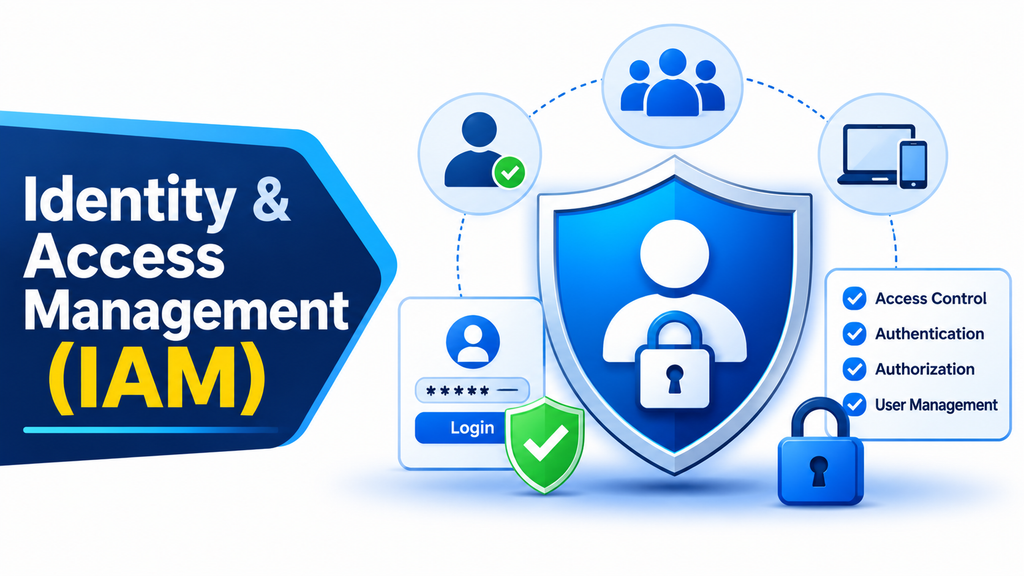
Identity and Access Management (IAM) is a critical component of modern cybersecurity that helps organizations manage digital identities and control access to applications, systems, networks, and sensitive information. As businesses adopt cloud computing, remote work, and digital services, ensuring that the right individuals have access to the right resources has become increasingly important.
Identity & Access Management Tools provide centralized solutions for creating, managing, authenticating, and monitoring user identities. These platforms help organizations enforce security policies, prevent unauthorized access, and simplify identity administration across their IT environments.
How Identity & Access Management Tools Work
IAM platforms manage the complete identity lifecycle, from user registration and onboarding to access modification and account deactivation. They verify user identities through authentication mechanisms and determine which resources users can access based on assigned permissions and organizational policies.
These solutions commonly support role-based access control, multi-factor authentication, single sign-on, directory services, automated provisioning, and access monitoring. Advanced IAM platforms also integrate with cloud applications, enterprise directories, and security monitoring systems.
Popular Identity & Access Management Tools
Several established vendors provide comprehensive IAM solutions for businesses of different sizes:
- Microsoft Entra ID: Provides cloud-based identity management, authentication, application access, and conditional access capabilities.
- Okta Workforce Identity: Helps organizations manage employee identities, application access, authentication, and identity security.
- Ping Identity: Offers identity management, access control, authentication, and federation solutions for enterprise environments.
- IBM Security Verify: Provides identity and access management capabilities for workforce and customer identities.
- CyberArk Identity: Supports secure authentication, identity management, and access protection across enterprise environments.
- OneLogin: Offers workforce identity management, single sign-on, and user provisioning capabilities.
- SailPoint: Provides identity governance, access management, and identity lifecycle automation.
Key Features to Consider
When evaluating IAM software, organizations should consider centralized identity management, authentication security, role-based access control, automated user provisioning, and application integration.
Single sign-on and multi-factor authentication can improve security while simplifying user access. Additional capabilities such as access certification, audit reporting, directory synchronization, privileged access controls, and adaptive authentication are valuable for organizations with complex security requirements.
Benefits of Identity & Access Management Tools
IAM solutions help businesses reduce unauthorized access, strengthen data protection, and maintain consistent security policies. They also simplify user administration by automating repetitive identity management tasks and reducing manual provisioning errors.
For employees, centralized authentication improves access to business applications. For IT and security teams, IAM platforms provide better visibility into user permissions, access activities, and potential security risks.
How to Choose the Right Solution
Choosing an IAM platform requires evaluating organizational size, infrastructure complexity, compliance requirements, and identity management needs. Businesses operating primarily in cloud environments may prioritize cloud-native identity solutions, while larger enterprises may require hybrid identity management and extensive integration capabilities.
Organizations should compare authentication options, scalability, administrative controls, automation features, reporting capabilities, and integration with existing applications before selecting a platform.
Conclusion
Identity & Access Management Tools help organizations secure digital identities and control access to important business resources. Solutions from Microsoft, Okta, Ping Identity, IBM, CyberArk, OneLogin, and SailPoint offer capabilities for managing identities across modern IT environments. Implementing the right IAM solution strengthens cybersecurity, improves operational efficiency, and supports secure digital transformation.
