Upgrade & Secure Your Future with DevOps, SRE, DevSecOps, MLOps!
We spend hours scrolling social media and waste money on things we forget, but won’t spend 30 minutes a day earning certifications that can change our lives.
Master in DevOps, SRE, DevSecOps & MLOps by DevOps School!
Learn from Guru Rajesh Kumar and double your salary in just one year.
In today’s rapidly evolving technological landscape, the need for efficient IT operations has become paramount. With the proliferation of data and the increasing complexity of IT systems, traditional approaches to IT operations management are no longer sufficient. This is where AIOps comes in – a revolutionary approach to IT operations that leverages the power of artificial intelligence and machine learning to automate and streamline IT operations.
What is AIOps?
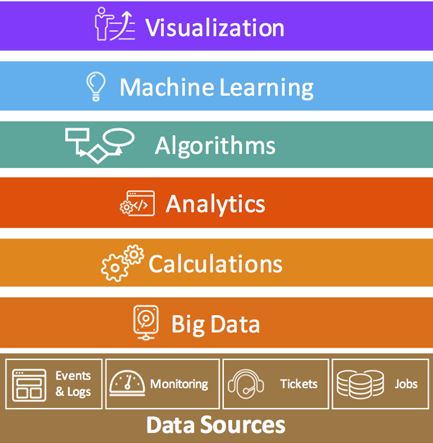
AIOps, or Artificial Intelligence for IT Operations, is a methodology that uses machine learning, big data analytics, and other advanced technologies to automate and optimize IT operations. It involves the use of algorithms to identify patterns and anomalies in data, which can be used to predict and prevent issues before they occur.
Why is AIOps Important?
- Improved Efficiency and Productivity
AIOps can help organizations improve their efficiency and productivity by automating many routine and repetitive tasks. This allows IT teams to focus on more strategic initiatives, rather than spending time on mundane tasks. - Reduced Downtime
One of the biggest benefits of AIOps is its ability to detect and predict issues before they occur. This can help organizations reduce downtime and minimize the impact of IT outages on their business operations. - Better Customer Experience
AIOps can also help organizations improve their customer experience by providing faster and more reliable IT services. This can lead to higher customer satisfaction and loyalty. - Cost Savings
By automating many routine tasks and reducing downtime, AIOps can help organizations save money on IT operations. This can free up resources for other strategic initiatives.
How AIOps Works
AIOps works by analyzing vast amounts of data from various IT systems and applications. This data is then fed into machine learning algorithms, which can identify patterns and anomalies in the data. These algorithms can also learn from past events and predict future issues.
AIOps can also automate many routine tasks, such as provisioning and patching, which can help IT teams work more efficiently. Additionally, AIOps can integrate with other IT systems and applications, providing a more holistic view of IT operations.
Challenges of AIOps
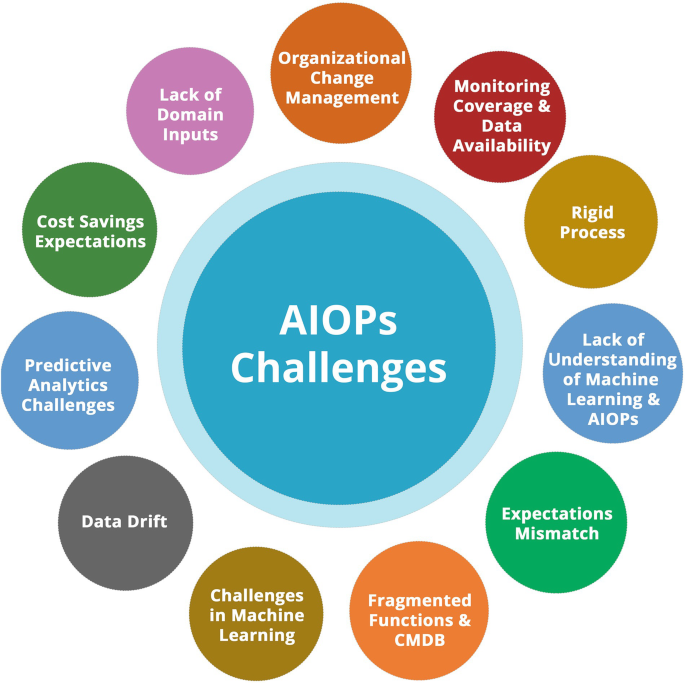
While AIOps offers many benefits, there are also some challenges associated with its implementation. These include:
- Data Integration
AIOps requires access to vast amounts of data from various IT systems and applications. Integrating this data can be a complex and time-consuming process. - Skill Set
Implementing and managing AIOps requires specialized skills, such as data science and machine learning. Many organizations may not have these skills in-house and may need to hire external experts. - Change Management
Implementing AIOps can require significant changes to an organization’s IT infrastructure and processes. This can be a challenging and disruptive process.
Conclusion
AIOps is a game-changing approach to IT operations management that leverages the power of artificial intelligence and machine learning. By automating many routine tasks, predicting and preventing issues before they occur, and providing a more holistic view of IT operations, AIOps can help organizations improve their efficiency, productivity, and customer experience while reducing costs. While there are some challenges associated with its implementation, the benefits of AIOps make it a worthwhile investment for any organization looking to stay competitive in today’s fast-paced technological landscape.