Upgrade & Secure Your Future with DevOps, SRE, DevSecOps, MLOps!
We spend hours scrolling social media and waste money on things we forget, but won’t spend 30 minutes a day earning certifications that can change our lives.
Master in DevOps, SRE, DevSecOps & MLOps by DevOps School!
Learn from Guru Rajesh Kumar and double your salary in just one year.
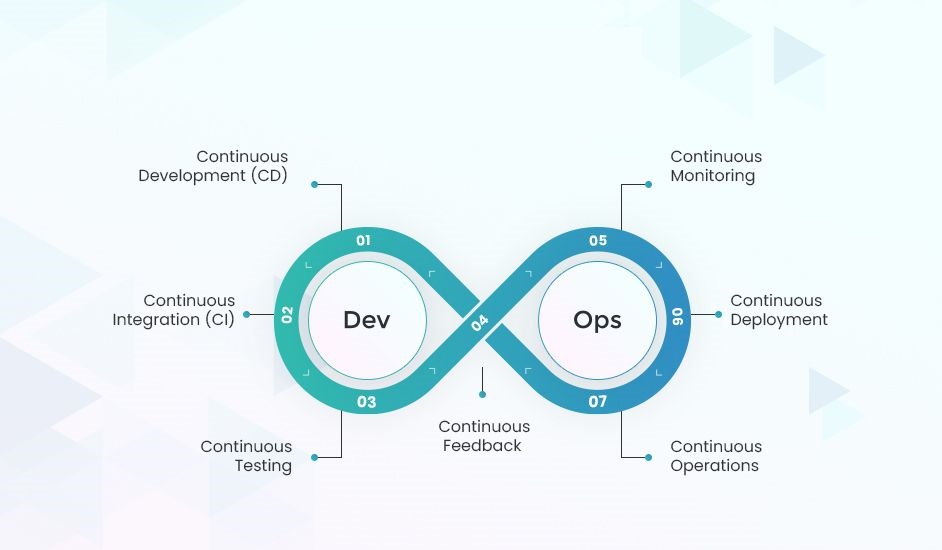
Introduction
As technology continues to evolve, the need for streamlined, efficient development and operations processes has never been more critical. This is where DevOps practices come into play. With the growing demand for professionals who can effectively manage the entire DevOps lifecycle, the Certified DevOps Professional (CDP) certification has become a recognized benchmark for excellence. If you’re an engineer, manager, or software professional, this guide will provide you with an in-depth understanding of the CDP certification and how it can shape your career.
What Certified DevOps Professional Proves in Real Work
Certified DevOps Professional validates that you can run modern DevOps workflows end-to-end. You plan safe releases, build CI/CD flows, automate repetitive work, and use observability to troubleshoot fast. You connect delivery with runtime reality: you watch metrics, read logs, reduce noisy alerts, and improve recovery time. You also learn to work across teams because DevOps never succeeds inside a single silo. When you follow this certification path correctly, you build the mindset to operate production systems with confidence. That mindset stays useful even when tools change.
Who Gets the Most Value From Certified DevOps Professional
Certified DevOps Professional fits working engineers who already touch CI/CD or production operations and want stronger structure. DevOps engineers use it to tighten pipelines and reduce release failures. SREs use it to connect reliability practices with delivery practices and reduce on-call chaos. Platform engineers use it to standardize workflows across teams and build internal platform patterns. Cloud engineers use it to improve repeatability and reduce manual infrastructure drift. Security and data professionals use it to build guardrails, governance, and reliable delivery across shared systems. Engineering managers use it to review risk, delivery maturity, and reliability tradeoffs with clarity.
Why Certified DevOps Professional Matters in 2026
Enterprises now expect reliability and speed at the same time. They also expect tighter security and visible cost control. Teams move toward platform engineering, internal developer platforms, and standardized guardrails, so they need people who can build and run those systems. Certified DevOps Professional gives you reusable skills because it focuses on workflows, not one vendor tool. It helps you stay relevant when your company swaps CI servers, monitoring tools, or cloud providers. It also helps your career because managers promote people who reduce failures, raise predictability, and improve incident response. You earn trust when you deliver stable results repeatedly.
Program Ownership and Where It Lives
DevOpsSchool hosts and maintains the Certified DevOps Professional program on its website. You can find the official course page here: Certified DevOps Professional. You can visit the provider site here: Devopsschool. Use the official course page as your source of truth for exam details and updates. Use this guide to build your preparation strategy and your career alignment plan. When you combine both, you move faster with less confusion.
How to Think About Levels and Tracks
You can understand Certified DevOps Professional through two lenses: levels and tracks. Levels match your seniority and ownership. Tracks match your specialization.
Levels
- Foundation: You learn the workflow and build basic competence across CI/CD, automation, and observability.
- Professional: You design and improve delivery systems for teams and multiple services.
- Advanced: You build scalable platform patterns, governance, reliability strategy, and cost-aware operations.
Tracks
- DevOps: pipelines, automation, delivery hygiene, cloud operations.
- SRE: SLO thinking, reliability engineering, incident discipline, observability depth.
- DevSecOps: security controls in pipelines, governance guardrails, compliance readiness.
- AIOps / MLOps: automation and ops intelligence, ML service operations, safe automation.
- DataOps: reliable data delivery, data quality monitoring, reproducible pipelines.
- FinOps: cost visibility, optimization loops, policy guardrails that engineers follow.
A Clean Certification Map You Can Follow
This table gives you a logical structure. It keeps one official link to avoid confusion and to stay consistent.
| Track | Level | Who it’s for | Prerequisites | Skills Covered | Recommended Order |
|---|---|---|---|---|---|
| DevOps | Foundation | New-to-mid DevOps engineers | Linux, Git, basic scripting | pipeline basics, automation habits, deployment hygiene | 1 |
| DevOps | Professional | Working DevOps / cloud engineers | pipeline exposure, troubleshooting practice | pipeline design, release safety, observability basics | 2 |
| DevOps | Advanced | Senior DevOps / platform leads | multi-service ownership | platform patterns, governance, scale tradeoffs | 3 |
| SRE | Foundation | Ops-to-SRE transition | basic monitoring/logging | incident flow, signal basics, runbook discipline | 1 |
| SRE | Professional | Practicing SREs | on-call exposure | SLO thinking, alert quality, reliability automation | 2 |
| SRE | Advanced | Senior SRE / reliability leads | critical system ownership | resilience strategy, capacity risks, reliability governance | 3 |
| DevSecOps | Foundation | Security-minded engineers | security basics | secrets hygiene, policy mindset, secure pipeline checks | 1 |
| DevSecOps | Professional | DevSecOps practitioners | pipeline administration | guardrails, compliance-ready delivery, risk controls | 2 |
| DevSecOps | Advanced | Security platform leads | cross-team governance | scalable policies, auditability, frictionless controls | 3 |
| AIOps / MLOps | Foundation | Ops + automation learners | signal basics | automated ops triggers, safe runbooks, service health | 1 |
| AIOps / MLOps | Professional | AIOps/MLOps operators | production pipeline exposure | anomaly reasoning, automation loops, ML service ops | 2 |
| AIOps / MLOps | Advanced | Senior ops/ML platform leads | multi-service reliability | scale patterns, governance, safe automation at org level | 3 |
| DataOps | Foundation | Data engineers | data pipeline basics | release discipline for data, reproducibility mindset | 1 |
| DataOps | Professional | Data platform engineers | orchestration + CI familiarity | monitoring, rollback patterns for data, quality controls | 2 |
| DataOps | Advanced | Data platform leads | cross-team ownership | governance, cost control, reliability for data products | 3 |
| FinOps | Foundation | Cost-aware engineers/managers | basic cloud billing knowledge | tagging discipline, unit cost thinking, visibility basics | 1 |
| FinOps | Professional | FinOps + platform teams | cost reporting exposure | optimization loops, KPIs, guardrails, budgeting basics | 2 |
| FinOps | Advanced | FinOps leads | org-wide governance | policy, accountability, engineering-finance alignment | 3 |
Deep Dive by Level
Certified DevOps Professional – Foundation
What it is
This level validates your ability to follow the DevOps lifecycle with discipline. You learn how teams move code from commit to production with repeatable steps. You also learn how to reduce manual work with simple automation. You build the habit of observing service health instead of guessing. You develop a clean foundation for professional-level design work.
Who should take it
Take it if you enter DevOps, cloud operations, platform work, or SRE support and you want a structured base. Take it if you work as a developer and you want to own your pipeline and deployment responsibilities. Take it if you manage delivery work and want to understand risk and workflow in practical terms. It fits India and global audiences because every company needs stable releases. It also fits interns or early-career engineers who want a serious roadmap.
Skills you’ll gain
- Build a simple CI/CD flow and explain each stage clearly
- Automate repetitive steps with scripts and configuration discipline
- Read logs and metrics to debug release and runtime issues
- Apply deployment hygiene: rollback thinking, change control, and safe releases
- Create runbooks that teams can execute during incidents
Real-world projects you should be able to do
- Build one pipeline that runs build, test, and deploy steps with clear gating
- Write automation that sets up environment configuration consistently
- Create a basic monitoring dashboard and log view for a service
- Write a runbook for top failures and validate it with drills
- Improve one release flow by removing manual steps and adding checks
Preparation plan
7–14 days: Practice Linux + Git daily, build a basic pipeline for one service, and fix failures until you understand the root cause.
30 days: Add quality gates, add a rollback plan, add basic monitoring, and document incident steps. Practice troubleshooting with time limits.
60 days: Repeat the same pipeline for a second service, create two runbooks, and run weekly drills to build calm problem-solving.
Common mistakes
- Memorizing tool names instead of building a working workflow
- Skipping troubleshooting practice and learning only “happy path” steps
- Ignoring observability and focusing only on deployment
- Copying pipeline templates without understanding failure modes
- Avoiding documentation and runbooks, then struggling during failures
Best next certification after this
Same-track option: move to Certified DevOps Professional – Professional (DevOps track).
Cross-track option: move to Certified DevOps Professional – Professional (SRE or DevSecOps focus).
Leadership option: study delivery metrics, operational maturity, and platform adoption patterns.
Certified DevOps Professional – Professional
What it is
This level validates your ability to design and improve delivery systems for real teams. You build pipelines that balance speed, safety, and feedback quality. You connect releases with observability so teams detect issues early and recover fast. You automate repetitive operations to reduce on-call load. You also learn to work across teams with shared standards.
Who should take it
Take it if you already run pipelines or support releases and want to become more reliable and more senior. Take it if you serve as a platform engineer who builds shared tooling for multiple teams. Take it if you own production deployments and want to reduce failures. Managers can take it if they review risk, reliability, and controls and want sharper judgment. Professionals in India benefit because companies value practical ownership and measurable improvement.
Skills you’ll gain
- Design multi-stage pipelines with fast feedback and safe release controls
- Improve deployment reliability through gating, rollback, and validation checks
- Build observability habits: clean alerts, dashboards, and incident signals
- Automate operations: backups, housekeeping, and repeatable maintenance
- Reduce failure rate by learning and applying post-incident improvements
Real-world projects you should be able to do
- Design a multi-environment pipeline with approvals and promotion strategy
- Implement alerting with strong signal quality and low noise
- Build automated deployment validation checks that catch risky changes
- Improve incident response with runbooks, escalation steps, and clear metrics
- Reduce manual work by replacing repeated tasks with automation
Preparation plan
7–14 days: Choose one service and map its release flow, top failures, and monitoring gaps. Fix one high-impact gap.
30 days: Build or refactor a pipeline with tests, checks, and deployment verification. Run 8–10 failure drills and document results.
60 days: Expand improvements to a second service. Add governance basics and measure outcomes with simple indicators.
Common mistakes
- Building complex pipelines that slow feedback and frustrate teams
- Creating too many alerts that create noise instead of clarity
- Ignoring rollback planning and hoping releases always succeed
- Practicing only coding tasks and skipping incident simulations
- Changing everything at once instead of improving one system steadily
Best next certification after this
Same-track option: move to Certified DevOps Professional – Advanced (platform and scale focus).
Cross-track option: choose DataOps or FinOps specialization based on your project needs.
Leadership option: move toward delivery governance, standards, coaching, and adoption strategy.
Certified DevOps Professional – Advanced
What it is
This level validates senior capability: you design delivery and operations systems that scale across teams. You build guardrails that teams adopt easily. You manage tradeoffs between speed, reliability, security, and cost. You also lead improvement programs with measurable outcomes. You operate at the level of platform architecture and org-wide maturity.
Who should take it
Take it if you already lead DevOps/SRE/platform efforts and you want to formalize your senior skill level. Take it if you design shared pipelines, internal platforms, or organization-wide standards. Take it if you guide reliability strategy and own critical services. Technical managers and staff engineers benefit when they must balance constraints and lead adoption. This level fits you when your work impacts multiple teams, not only one service.
Skills you’ll gain
- Build scalable platform patterns that improve developer experience
- Define reliability standards and enforce them through guardrails
- Build governance controls that do not slow delivery unnecessarily
- Connect cost and reliability decisions to engineering workflows
- Lead maturity improvements with clear metrics and accountability
Real-world projects you should be able to do
- Design a shared pipeline blueprint that multiple teams can reuse
- Create a reliability program that reduces downtime and incident volume
- Build policy-driven guardrails for secrets, approvals, and traceability
- Create dashboards that connect cost, performance, and reliability
- Lead adoption across teams with clear rollout strategy and coaching
Preparation plan
7–14 days: Audit a real environment: release flow, failure modes, on-call pain, cost hotspots. Write a priority plan.
30 days: Implement 2–3 high-impact improvements and document measurable change. Coach a team through adoption.
60 days: Expand improvements across teams and standardize guardrails. Run resilience and incident drills and review results.
Common mistakes
- Designing big platform concepts without proving outcomes in real workflows
- Enforcing heavy governance that teams avoid or bypass
- Optimizing cost aggressively while hurting reliability and performance
- Ignoring adoption and developer experience during platform rollouts
- Leading without metrics, which makes progress hard to prove
Best next certification after this
Same-track option: deepen SRE or DevSecOps specialization under Certified DevOps Professional.
Cross-track option: add DataOps or AIOps/MLOps based on your platform direction.
Leadership option: focus on org-level delivery governance, coaching, and platform product thinking.
Pick a Path Based on Your Career Goal
DevOps Path
Choose this path if you own delivery pipelines and deployments. Start with foundation if you need structure, then move to professional when you design workflows for teams. Move to advanced when you standardize delivery across multiple teams and services. You will gain leverage by reducing failures and speeding feedback. You will also build credibility because teams trust people who ship safely. This path also supports platform engineering growth.
DevSecOps Path
Choose this path if you want to embed security controls into delivery without blocking teams. Start with pipeline hygiene and secrets discipline, then learn how to implement controls as guardrails. Use professional level to build policy thinking and audit readiness. Use advanced level to scale compliance-friendly delivery across teams. You will become valuable in regulated industries and enterprise environments. You will also learn to speak risk and controls in practical terms.
SRE Path
Choose this path if uptime, incidents, and service health drive your daily work. Start with observability basics and incident discipline. Build professional strength by improving alert quality, runbooks, and SLO thinking. Use advanced level to design resilience strategy and reliability governance. You will reduce on-call pain by removing noise and automating recovery steps. You will also build the confidence to handle high-severity incidents calmly.
AIOps / MLOps Path
Choose this path if you run automation-heavy operations or operate ML services. Build foundation understanding of signals and safe automation triggers. Use professional level to implement automation loops that reduce toil without introducing risk. Use advanced level to scale governance and reliability for automated operations. You will learn how to avoid unsafe automation and build measurable improvements. You will also become useful for teams building modern ops platforms.
DataOps Path
Choose this path if you deliver data pipelines and data products and you need reliability. Build foundation release discipline for data workflows. Use professional level to add monitoring, quality checks, and rollback patterns for data changes. Use advanced level to standardize governance and cost control for data platforms. You will prevent silent failures that cause expensive downstream issues. You will also help teams trust data delivery as much as software delivery.
FinOps Path
Choose this path if cloud spend drives leadership focus and engineering must take accountability. Build foundation cost visibility and tagging discipline. Use professional level to implement optimization loops and guardrails. Use advanced level to align engineering decisions with budgets and policy. You will gain influence because you connect engineering actions with business impact. You will also reduce waste without harming reliability.
Role-to-Certification Fit
| Role | Recommended Certifications |
|---|---|
| DevOps Engineer | Foundation → Professional |
| SRE | Foundation → Professional (SRE focus) → Advanced |
| Platform Engineer | Professional → Advanced |
| Cloud Engineer | Foundation → Professional |
| Security Engineer | Foundation → Professional (DevSecOps focus) |
| Data Engineer | Foundation → Professional (DataOps focus) |
| FinOps Practitioner | Foundation → Professional (FinOps focus) |
| Engineering Manager | Foundation → Professional (governance + metrics focus) |
What You Should Do After You Finish Certified DevOps Professional
Same-track progression
Follow same-track progression when you want depth and senior credibility in one domain. You build stronger delivery systems, better observability, and stronger automation habits. You also improve reliability outcomes and reduce incident frequency. This path helps you become the person who designs standards and mentors others. Companies reward that because it scales across teams. You should choose this path when your role already matches the track.
Cross-track expansion
Follow cross-track expansion when you want broader impact. You can add FinOps skills to connect cloud cost with engineering decisions. You can add DataOps skills to bring reliability into data delivery. You can add DevSecOps skills to embed security without slowing teams. This path fits staff and principal trajectories because it builds multi-domain decision ability. It also increases career flexibility when priorities shift.
Leadership and management track
Follow the leadership track when you want influence across teams and systems. You will focus on standards, adoption, coaching, and measurable improvement. You will learn to set guardrails that teams follow willingly. You will also learn to run maturity programs: improving delivery performance, reducing toil, and reducing risk. This track suits tech leads, engineering managers, and platform owners. It also helps you speak clearly to stakeholders.
Training and Support Providers for Certified DevOps Professional
DevOpsSchool
DevOpsSchool supports preparation for Certified DevOps Professional by structuring topics around production workflows. It suits working professionals because it emphasizes practical outcomes: stable pipelines, clean automation, and strong observability habits. It also helps learners connect certification preparation with job responsibilities and project impact. When you choose this support route, you should focus on hands-on labs and troubleshooting practice.
Cotocus
Cotocus can help learners who want guided pacing and structured accountability. You should select support that forces hands-on implementation and regular review. You should also ask for practice that includes failure scenarios and troubleshooting. Strong coaching helps when you balance preparation with a full-time job. Choose support that trains workflow thinking, not only tool steps.
Scmgalaxy
Scmgalaxy can fit professionals who prefer organized topic coverage and repeatable learning plans. You will benefit most when the program includes real practice on pipelines, monitoring, and incident workflows. You should look for exercises that connect CI/CD with runtime behavior and recovery steps. Practical labs matter more than slides for this certification. A good plan also helps you avoid scattered learning.
BestDevOps
BestDevOps can work well if it focuses on practical pipeline design and operational habits. You should look for training that improves release safety, alert quality, and automation discipline. You should also practice incident drills because that builds real confidence. Strong programs push you to document runbooks and improvements, which helps your job performance too. Select support that aligns practice with production realities.
devsecopsschool.com
devsecopsschool.com suits learners who want to bring security discipline into delivery workflows. It can help you learn secrets hygiene, policy thinking, and governance controls that teams can adopt. You should focus on controls that reduce risk without slowing delivery. You should also practice designing guardrails that scale across teams. This path fits regulated environments and enterprise delivery.
sreschool.com
sreschool.com supports reliability-focused learning. It can help you build strong habits around incident response, alert quality, and service health thinking. You should prioritize SLO alignment, runbook discipline, and practical observability practices. You will gain the most when you practice failure drills and post-incident improvements. Reliability skills improve your career in almost every engineering organization.
aiopsschool.com
aiopsschool.com supports professionals working in automation-heavy operations environments. It can help you think clearly about safe automation triggers and feedback loops. You should practice how to use signals responsibly and how to avoid automation that creates risk. You should also learn how to measure improvement and reduce operational toil. This support route fits teams adopting AIOps patterns.
dataopsschool.com
dataopsschool.com fits data engineers and platform engineers who want reliable data delivery. It can help you apply DevOps discipline to data pipelines: testing, monitoring, rollback planning, and reproducibility. You should focus on preventing silent failures through quality checks and clear observability. You should also practice controlled releases for schema and pipeline changes. This route supports modern “data as a product” organizations.
finopsschool.com
finopsschool.com fits professionals who want to connect engineering decisions with cost accountability. It can help you learn tagging discipline, unit cost thinking, and optimization habits. You should focus on practical guardrails that teams can follow without slowing work. You should also learn how to present cost signals clearly to engineering and leadership. This support route improves your business impact.
Frequently Asked Questions (General)
1) How hard will Certified DevOps Professional feel for a working engineer?
It will feel manageable if you already run pipelines or support production. You will recognize most workflows and you will focus mainly on sharpening structure and speed. It will feel difficult if you avoid troubleshooting and only read content. You will also struggle if you ignore observability because real DevOps needs signals and fast diagnosis. You will win when you build a lab workflow and break it on purpose. Practice gives you calm confidence, and calm confidence helps you in the exam and in real projects.
2) How many hours per week should I plan?
Plan 6–10 hours per week if you already work in DevOps or cloud operations. Plan 10–14 hours per week if you are new and you need to build hands-on confidence. Keep sessions short and consistent: daily practice beats weekend-only learning. Spend half your time on doing, not reading. Build one pipeline, troubleshoot failures, and document what you learned. When you repeat that routine weekly, you improve fast. Your consistency will matter more than your intensity.
3) Do I need deep coding skills?
You do not need deep software engineering, but you should feel comfortable with scripting and automation. You should write small scripts to reduce manual work and to validate workflows. You should understand configuration and environment handling. You should also read logs and make changes based on evidence. If you cannot script at all, you will slow down. Start with simple automation and increase complexity gradually. Focus on clarity and reliability, not clever code.
4) Do I need Kubernetes before I start?
Kubernetes helps if your job uses it, but you can start without it. Certified DevOps Professional focuses on workflow thinking: build, test, deploy, observe, and recover. You can practice those steps on simpler environments and still learn a lot. If your company runs Kubernetes, learn the basics because it will improve your job performance. If you don’t use Kubernetes at work, focus on CI/CD and observability first. Add Kubernetes later when you need it.
5) How do I avoid scattered learning?
Create a single project and use it as your practice base. Build one pipeline for one service. Add tests, add deployment steps, add rollback thinking, and add monitoring. Then break the pipeline and fix it. Then simulate an incident and recover using logs and metrics. When you repeat this cycle, you build a strong mental model. You also avoid wasting time jumping between tools. Your project will become your learning anchor.
6) What should I prioritize: tools or principles?
Prioritize workflow principles and production thinking. Tools will change, but release discipline, automation habits, and observability will stay. Learn why each pipeline stage exists and what failure it prevents. Learn how to design feedback loops. Learn how to reduce risk without slowing delivery. Use tools only as a vehicle to practice. This approach makes you stronger in interviews and in real projects.
7) Can I use this certification to switch roles?
Yes, but you must build hands-on proof. If you move from development to DevOps, you should show pipeline ownership and incident discipline. If you move from ops to SRE, you should show observability work and reliability improvements. If you move to platform engineering, you should show standardization and reusable patterns. The certification helps you frame the story, but your projects prove the skill. Build a small portfolio of outcomes: reduced failures, improved recovery, and automated tasks.
8) What makes preparation effective for working professionals?
Effective preparation uses small daily sessions and realistic practice. You should avoid long theory blocks that you can’t retain. You should practice troubleshooting because the exam and real work demand it. You should document runbooks because documentation builds clarity and repeatability. You should review mistakes weekly and improve one weakness at a time. This method keeps you steady even with job pressure. It also builds confidence that lasts beyond the exam.
9) How do I measure progress?
Track a few practical indicators. Measure how fast you can fix pipeline failures without guessing. Measure how clearly you can explain a rollback strategy. Measure how quickly you can find root cause using logs and metrics. Measure how many manual steps you removed through automation. If these numbers improve, you are learning. This progress also supports your performance review at work. Certifications matter, but outcomes matter more.
10) What sequencing helps most for long-term career growth?
Start with foundation if you need structure. Move to professional when you start designing and improving systems for teams. Move to advanced when you build platform patterns and lead adoption. Then choose a specialization based on your role: reliability, security, data delivery, or cost. This sequencing helps you grow from executor to designer to leader. It also keeps your learning aligned with real responsibilities. You will progress faster when you match learning to your job.
11) Will Certified DevOps Professional help in salary and promotions?
It can, if you connect it to measurable outcomes. Managers promote engineers who reduce incident frequency, improve release success, and reduce operational toil. This certification can help you gain those skills and communicate them clearly. It also signals seriousness and structured learning. In interviews, it helps you answer scenario questions with confidence. In internal promotions, it supports your story when you show improvements you delivered. Always connect the certification to project impact.
12) What should I do if I fail the first attempt?
Treat failure as feedback and tighten your practice plan. Identify the topics you guessed on and build hands-on drills for them. Spend two weeks on focused practice and retest your weak areas. Avoid switching learning sources too often. You will pass faster when you improve troubleshooting skill and workflow clarity. Many strong engineers fail once because they underestimate practical gaps. When you fix those gaps, you also improve job performance.
FAQs on Certified DevOps Professional
1) What does Certified DevOps Professional specifically validate?
It validates practical ability to run DevOps workflows across delivery and operations. You learn pipeline discipline, automation habits, and observability skills that support real production work. You also learn how to think about risk, rollback, and recovery. The certification matters most when you apply it to real projects and improve outcomes. It pushes you to connect CI/CD with runtime signals and incident response. That combination reflects real DevOps maturity.
2) How should I build a 14-day plan?
In 14 days, focus on one pipeline and one service. Build the pipeline, then break it on purpose and fix it. Add basic monitoring and logs, then simulate a runtime issue and diagnose it. Write short runbooks for each failure you face. Keep daily sessions focused and practical. Review mistakes at the end of each week and practice the weak area again. This plan builds real speed and confidence.
3) How should I build a 30-day plan?
In 30 days, expand from one pipeline to a more complete workflow. Add gating, add deployment verification, and add rollback discipline. Improve observability by creating dashboards and alert rules that reflect service health. Practice incident-style drills weekly and document learning. Add automation to remove repeated manual tasks. Use the month to build a complete loop: delivery, observe, recover, improve. This plan matches real job expectations.
4) How should I build a 60-day plan?
In 60 days, scale your practice to a second service or environment. Standardize what you built so another engineer could reuse it. Improve reliability by reducing alert noise and adding clearer runbooks. Add governance basics: approvals, traceability, and controlled releases. Practice resilience by simulating failure scenarios and verifying recovery steps. Track improvements with simple metrics like failure rate and recovery time. This plan builds senior-level confidence.
5) What mistakes destroy performance in this certification?
Candidates often study theory and skip failure practice. They also focus only on CI/CD and ignore observability, which weakens troubleshooting ability. Many candidates copy templates and fail to understand tradeoffs, so they can’t answer scenario questions. Some candidates avoid documentation, which reduces clarity under pressure. Others try to learn too many tools at once and lose focus. You can avoid these mistakes by building one workflow deeply and repeating drills.
6) How does this certification help managers?
It helps managers review delivery systems with stronger judgment. Managers learn how to ask the right questions: rollback plan, alert quality, operational load, change risk, and adoption constraints. They also learn how to measure maturity and where teams waste time. This knowledge helps managers support teams instead of forcing shallow process. It also helps managers plan platform investments with clarity. Managers who understand delivery realities lead better.
7) What role changes become easier after passing?
Engineers can move from developer to DevOps by owning pipelines and deployments. Ops engineers can move to SRE by improving observability and incident discipline. DevOps engineers can move to platform engineering by standardizing workflows and building reusable patterns. Engineers can also take FinOps or DataOps direction by adding cost or data delivery governance. Passing helps, but the project proof matters more. Build outcomes that hiring managers can trust.
8) What should I do right after I finish?
Apply your learning to one live workflow at work if policy allows. Improve one pipeline, reduce one failure mode, or reduce alert noise. Document runbooks and teach one teammate the improved workflow. Choose your next step based on your role: reliability, security, cost, or data delivery. Keep a simple log of improvements because it strengthens your resume and promotion story. The best professionals keep learning tied to real outcomes.
Final Thoughts: Should You Invest in Certified DevOps Professional?
You should invest in Certified DevOps Professional if you want practical, production-ready capability and a structured way to prove it. You will gain the most when you already touch pipelines or production operations and you want to level up fast. You should not treat it as a quick badge because that approach wastes time and creates weak results. Instead, you should use it as a framework to build real workflows, practice failures, and improve reliability outcomes. When you do that, you strengthen both your career story and your job performance. You will also build skills that stay valuable even when the tool landscape changes.