Upgrade & Secure Your Future with DevOps, SRE, DevSecOps, MLOps!
We spend hours scrolling social media and waste money on things we forget, but won’t spend 30 minutes a day earning certifications that can change our lives.
Master in DevOps, SRE, DevSecOps & MLOps by DevOps School!
Learn from Guru Rajesh Kumar and double your salary in just one year.
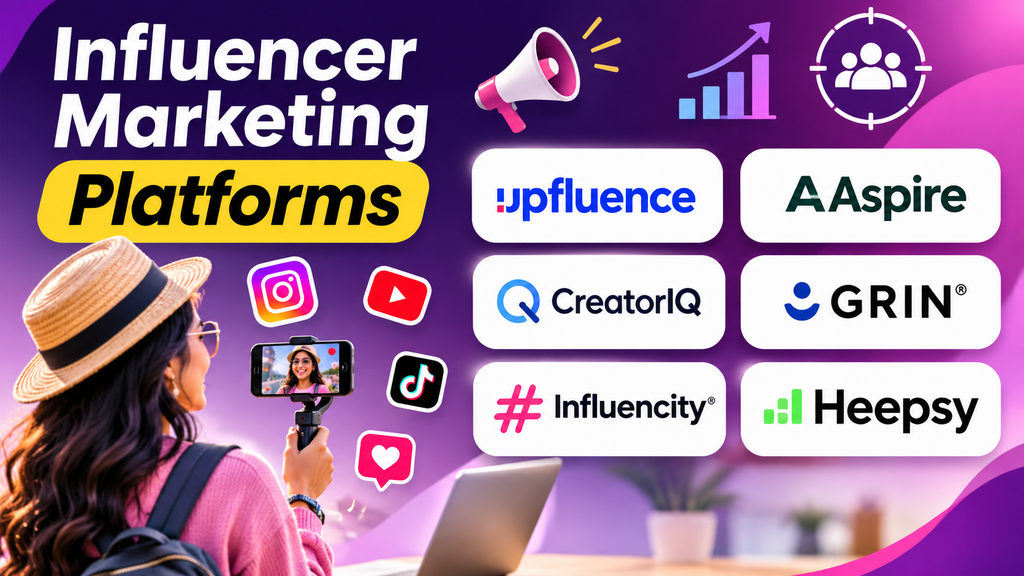
Influencer marketing has become an important part of digital marketing because audiences often discover products through creators they follow and trust. From fashion reviews and beauty tutorials to technology demonstrations and travel content, creators help brands communicate with specific communities through relatable content.
Managing these partnerships manually can become difficult when a campaign involves multiple creators, deadlines, deliverables, and performance reports. Influencer marketing platforms help businesses organize these activities, evaluate potential partners, and coordinate campaigns from discovery to measurement.
What Are Influencer Marketing Platforms?
Influencer marketing platforms are software solutions that help brands and agencies find content creators, evaluate their suitability, manage collaborations, and measure campaign results.
Depending on the product, capabilities may include creator search, audience analytics, campaign management, outreach, content approval, contract workflows, affiliate tracking, payment management, and reporting.
Some platforms focus on influencer discovery and campaign management, while others specialize in creator commerce, affiliate partnerships, or enterprise influencer programs. The best choice depends on the brand’s objectives, campaign size, target audience, and budget.
Essential Features to Look For
Creator Discovery and Search
Discovery tools help brands find creators using criteria such as content category, location, language, audience demographics, engagement, and platform.
For example, a Hyderabad-based fashion brand might search for Telugu-speaking lifestyle creators whose audiences are interested in fashion, shopping, and local experiences.
Search filters help narrow the options, but the final decision should also consider content quality, audience relevance, posting consistency, and the creator’s previous brand partnerships.
Audience Quality and Authenticity
Follower counts alone cannot determine whether a creator is suitable for a campaign. Brands should review engagement patterns, audience geography, suspicious activity, comment quality, and the relevance of previous content.
Automated fraud-detection scores can help identify potential risks, but they are not definitive proof of authentic or fraudulent activity. Manual review and transparent campaign expectations remain important.
Campaign and Collaboration Management
Campaign management features can organize creator invitations, deliverables, timelines, contracts, content approvals, and communication.
A centralized workspace reduces confusion when several creators are working on different assets. It also helps teams document agreed requirements, such as the number of Reels, Stories, product mentions, and revisions.
Performance Analytics
Influencer marketing platforms may track reach, impressions, engagement, link clicks, conversions, and attributed sales, depending on the connected channels and integrations.
For reliable measurement, brands should establish campaign goals before launch and use consistent tracking methods, such as unique URLs, UTM parameters, promotional codes, or affiliate links where appropriate.
Payments and Creator Relationships
Some platforms support creator payments, invoicing, product seeding, affiliate commissions, or ongoing relationship management.
These features can simplify administration, but businesses should verify payment methods, supported countries, applicable fees, and contract workflows before choosing a provider.
Popular Influencer Marketing Platforms
Different tools serve different types of campaigns, from small creator partnerships to large international programs.
Modash
Modash provides influencer discovery, audience analysis, and campaign-related tools, with capabilities focused on finding creators and evaluating their audiences.
It can be worth considering for brands and agencies that need to discover creators across supported social platforms and review potential audience fit. Evaluate available filters, profile coverage, reporting, and the features included in the proposed plan.
HypeAuditor
HypeAuditor offers influencer discovery and analytics capabilities, including audience analysis and creator evaluation.
It may suit teams that want to investigate audience quality, compare potential partners, and assess influencer suitability before committing campaign budgets. Brands should understand the limitations of automated audience estimates and verify important findings independently.
Upfluence
Upfluence provides influencer marketing and affiliate-related capabilities for brands managing creator partnerships and commerce-focused campaigns.
It may be relevant to e-commerce businesses seeking to connect influencer collaborations with sales and affiliate activity. Buyers should assess integration requirements, creator discovery coverage, campaign workflows, and the cost of operating the platform.
GRIN
GRIN focuses on creator relationship management and influencer marketing workflows, particularly for brands running structured creator programs.
Depending on the offering, teams may use it to manage creator relationships, campaign operations, product seeding, and commerce-related activities. Evaluate the platform’s fit with the organization’s e-commerce systems, reporting requirements, and operational processes.
CreatorIQ
CreatorIQ provides enterprise-oriented creator marketing management and analytics capabilities.
It can be relevant to larger organizations coordinating multiple campaigns, teams, and markets. Buyers should consider implementation complexity, reporting requirements, integrations, governance, and the resources needed to manage an enterprise creator program.
Aspire
Aspire supports influencer marketing workflows that can include creator discovery, collaboration management, and campaign coordination.
It may suit brands seeking a structured approach to creator partnerships and user-generated content programs. Confirm the available creator sourcing methods, workflow capabilities, integrations, and pricing for the intended use case.
impact.com
impact.com provides partnership management capabilities spanning areas such as affiliates, creators, and other partner relationships, depending on the product and configuration.
It may be relevant to businesses that want to connect creator collaborations with tracked referrals, commissions, and broader partnership programs. Evaluate attribution methods, commission management, integrations, and the distinctions between creator marketing and affiliate workflows.
Comparing Influencer Marketing Platforms
| Platform | Potential strength | Important consideration |
|---|---|---|
| Modash | Creator discovery and audience analysis | Profile coverage and search capabilities |
| HypeAuditor | Influencer analytics and audience evaluation | Interpretation of estimated authenticity metrics |
| Upfluence | Influencer and affiliate-related workflows | E-commerce integration and operating cost |
| GRIN | Creator relationship and campaign management | Workflow fit and system integrations |
| CreatorIQ | Enterprise creator program management | Implementation and governance requirements |
| Aspire | Creator collaboration and content workflows | Sourcing options and campaign features |
| impact.com | Partnership and affiliate management | Attribution and commission requirements |
Platform capabilities, integrations, and pricing can change. Confirm the current product offering before purchasing, and request a demonstration using your actual campaign requirements.
How to Choose the Right Platform
Define Your Campaign Objectives
Begin by identifying what the campaign needs to achieve. Objectives may include increasing brand awareness, generating website traffic, collecting user-generated content, producing product reviews, or driving sales.
A brand-awareness campaign may prioritize relevant reach and audience fit, while a sales-focused campaign may require reliable conversion tracking and affiliate functionality.
Identify Your Ideal Creator
Define the creator characteristics that matter most, including niche, audience location, language, content style, engagement quality, and previous partnership experience.
A smaller creator with a highly relevant audience may be more suitable than a larger creator whose followers have little interest in the product.
Check Platform Coverage
Verify that the platform supports the social networks and creator categories you need. Some tools offer deeper coverage for certain networks, regions, or creator types.
If your target audience is in India, check whether the available search and analytics features can identify relevant regional creators and languages.
Evaluate Workflow Requirements
Determine whether your team needs creator discovery only or a complete campaign management system. Small campaigns may be manageable with simpler tools, while large programs may benefit from approval workflows, reporting, contracts, and payment management.
Choose a solution that reduces administrative work without creating unnecessary complexity.
Compare Total Cost
Consider subscription fees, user seats, creator discovery limits, campaign volume, additional integrations, and implementation expenses.
Also compare the platform cost with the manual effort it replaces. A more expensive system may be justified for a large program, but a smaller team may receive better value from a focused discovery or analytics tool.
Micro-Influencers vs. Macro-Influencers
Micro-influencers often have smaller, more focused audiences and may be useful for niche communities, local promotions, and specialized product categories. Macro-influencers offer broader potential reach and may help brands increase visibility across larger audiences.
Neither category guarantees better results. Audience relevance, content quality, engagement authenticity, campaign objectives, and cost all influence performance.
For a local fashion business, several regional creators may provide useful audience coverage. For a national product launch, a larger creator or a coordinated mix of creator tiers may be more appropriate.
How to Run an Influencer Marketing Campaign
Set the objective and budget. Define the expected outcome, campaign timeline, deliverables, and measurement approach before approaching creators.
Shortlist relevant creators. Review their content, audience location, engagement quality, and previous sponsored posts.
Agree on deliverables. Specify the required content formats, publication dates, number of revisions, usage rights, exclusivity, and payment terms in writing.
Provide a clear brief. Explain the product, key messages, required disclosures, creative boundaries, and the intended call to action. Allow creators reasonable freedom to communicate in their own style.
Track the campaign. Use appropriate links, discount codes, platform insights, or affiliate tracking to evaluate performance.
Review and maintain relationships. Assess results against the original objective and identify creators who may be suitable for future partnerships.
Measuring Influencer Marketing Performance
Useful metrics depend on the campaign objective.
- Reach and impressions: Help assess exposure, subject to the reporting available on each platform.
- Engagement rate: Measures interactions relative to a defined audience or exposure metric.
- Click-through rate: Indicates how often tracked impressions or visits generate clicks, depending on the reporting definition.
- Conversions: Measures completed actions such as registrations, enquiries, or purchases.
- Cost per result: Relates campaign spending to a defined outcome.
- Attributed revenue: Estimates sales associated with a creator using a specified attribution method.
- Content reuse value: Assesses the usefulness of creator assets for other marketing channels, subject to agreed usage rights.
Avoid judging campaign success by likes alone. A creator may generate valuable awareness without immediate sales, while a smaller campaign may deliver measurable conversions from a highly relevant audience.
Attribution also has limitations. Discount codes and tracked links can help connect activity to results, but they may not capture every influence on a customer’s purchasing decision.
Common Mistakes to Avoid
Choosing creators only by follower count: Review audience relevance, content quality, and engagement patterns before making a decision.
Ignoring campaign disclosures: Sponsored content must follow the applicable advertising disclosure requirements and platform policies. In India, brands and creators should review relevant ASCI guidance and other applicable rules.
Providing an unclear brief: Ambiguous expectations can lead to missed deliverables and unnecessary revisions.
Over-controlling creative content: Excessive restrictions can make sponsored content feel unnatural. Establish necessary requirements while preserving the creator’s authentic communication style.
Failing to define usage rights: Agree on where and how the brand may reuse creator content, including paid advertising, duration, and any additional fees.
Measuring the wrong outcome: Match the reporting approach to the original objective instead of treating every campaign as a direct-sales campaign.
A Practical Influencer Marketing Workflow
- Define the campaign objective, target audience, budget, and timeline.
- Shortlist creators based on niche, audience fit, and content quality.
- Review available audience analytics and relevant previous collaborations.
- Contact creators with a clear proposal and agreed compensation structure.
- Document deliverables, disclosure requirements, usage rights, and deadlines.
- Coordinate content reviews and publish the campaign.
- Track results and document lessons for future partnerships.
For example, a Hyderabad-based fashion boutique could work with regional lifestyle creators to showcase new collections. The business could track website visits, enquiries, store visits where measurable, and sales linked to campaign codes to understand which partnerships deliver value.
Building Better Creator Partnerships
Influencer marketing platforms help businesses discover creators, organize collaborations, and evaluate campaign performance more systematically. Modash and HypeAuditor may be useful for discovery and analytics, while Upfluence, GRIN, CreatorIQ, Aspire, and impact.com offer different combinations of creator management, commerce, and partnership capabilities.
The strongest platform is the one that matches your campaign goals, creator market, workflow, and budget. Start with a clearly defined campaign, evaluate creators carefully, establish transparent agreements, and measure meaningful outcomes to build partnerships that benefit both brands and creators.
