Upgrade & Secure Your Future with DevOps, SRE, DevSecOps, MLOps!
We spend hours scrolling social media and waste money on things we forget, but won’t spend 30 minutes a day earning certifications that can change our lives.
Master in DevOps, SRE, DevSecOps & MLOps by DevOps School!
Learn from Guru Rajesh Kumar and double your salary in just one year.
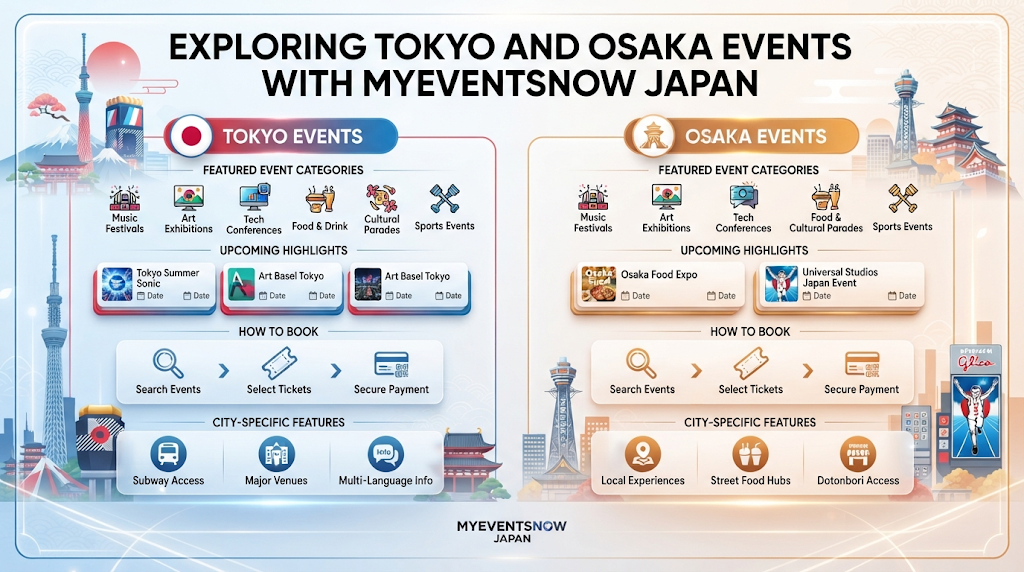
You land in Tokyo on a Friday evening. Your phone shows a live music night nearby, a weekend food festival, and a tech meetup on Monday. You want to join all three. But where do you find the details, and how do you book? This is where MyEventsNow Japan helps. It’s an online platform where people discover events and book tickets. It also helps organizers publish and manage their events. This guide follows one event journey from start to finish. You’ll see how attendees find things to do and how organizers reach the right people. Both sides get clear, simple tools in one place.
A Simple Look at MyEventsNow Japan
MyEventsNow Japan is an online event marketplace. It connects organizers, businesses, communities, and attendees across Japan. Visitors can search for events and check ticket details. Booking and registration options appear where organizers enable them.
The platform covers many event types. You’ll find concerts, festivals, workshops, exhibitions, and conferences. Networking events and cultural celebrations are also listed. The marketplace includes venue exploration and cultural experiences. Community engagement and organizer management round out the picture. It’s a single place for both finding events and running them.
Side by Side: What Attendees and Organizers Get
Both groups use the same platform, but their goals differ. This table shows the main differences at a glance.
| Area | For Attendees | For Organizers |
|---|---|---|
| Main purpose | Find events and join them | Publish and manage events |
| Discovery or publishing | Browse event listings | Create event listings |
| Tickets and admission | Review ticket and admission details | Share admission details |
| Registration and participation | Use available registration options | Connect through registration processes |
| Event information | Check schedules and venue details | Publish schedules and venue information |
| Marketplace extras | Explore venues and cultural experiences | Manage events and engage the community |
Read the table from left to right. The first column shows the topic. The next two columns show how each group uses that feature. Not every event offers every option. Availability depends on the organizer.
Part One: For Attendees, From Discovery to Booking
Finding upcoming events across Japan
Start with the big picture. The platform lists many Upcoming Events in Japan at any time. You can browse concerts, festivals, workshops, and conferences. Each listing shows basic details like date and venue. This helps you plan ahead without guessing.
This section suits anyone new to the platform. Residents can find weekend plans. Visitors can build a trip around local events. A good tip: check listings a few weeks early. Popular events fill up, and early checking gives you more choices.
Looking at events in Tokyo
Tokyo has a wide event scene. You’ll find live performances and technology meetups here. Nightlife and professional seminars are also common. Food festivals and entertainment experiences appear too. The city suits many tastes and schedules.
This section helps music fans, professionals, and curious visitors. If you work in tech, a meetup might fit your week. If you love food, a festival could fill your weekend. One tip: group events by area before you go. Travel time between venues can add up.
Looking at events in Osaka
Osaka offers its own mix. Music concerts and business conferences are listed. Cultural activities and community gatherings appear as well. Local experiences give visitors a closer look at the city.
This section helps travelers and locals alike. Business visitors can add a conference to their trip. Culture lovers can join a community gathering. A practical tip: save event details before you travel. Screenshots help when you have weak signal.
Traditional celebrations and seasonal festivals
Japan has a rich calendar of Japanese Festivals and Events. The directory includes traditional celebrations and seasonal festivals. Cultural performances appear too. These listings help residents and international visitors alike. You can plan around a festival or simply drop in.
This section suits culture lovers and first-time visitors. Festivals offer a direct view of local life. One tip: read the admission details before you go. Some events need registration, and some don’t.
Music fans: concerts, independent artists, and DJ events
Music lovers have plenty to explore. Listings include live music performances and independent artists. DJ events and entertainment programs appear across Japanese cities. You can follow small acts or bigger shows.
This section helps students, music fans, and night owls. Independent artists often play smaller venues. These shows can feel more personal. A useful tip: check the venue details first. Knowing the space helps you plan your evening.
Professionals and learners: seminars, conferences, and networking
The platform also lists learning and career events. You’ll find workshops, exhibitions, and conferences. Networking events and professional seminars are included too. These suit working professionals and students who want to grow.
This section helps people building skills or contacts. A seminar can sharpen your knowledge. A networking event can widen your circle. One tip: read the full event description. It tells you who the event is for.
Checking event details and booking options
Before you commit, review the details. Each listing shows ticket information and admission details. You’ll also see available registration and booking options. For Online Event Ticket Booking Japan, the process depends on the organizer. Some events offer online steps, and some don’t.
This section helps every attendee. Careful reading avoids surprises at the door. A simple tip: confirm the date, venue, and entry rules. Then use the booking option that’s shown for that event.
Tokyo and Osaka: How the Two Cities Compare
Both cities host many events, but the mix differs. This table shows what the platform lists for each city.
| Event Type | Tokyo | Osaka |
|---|---|---|
| Music and live performances | Live performances | Music concerts |
| Business and professional events | Professional seminars | Business conferences |
| Technology events | Technology meetups | Not specified |
| Cultural and community activities | Not specified | Cultural activities, community gatherings |
| Food, nightlife, and entertainment | Nightlife, food festivals, entertainment experiences | Local experiences |
Use this table as a starting point, not a full list. Always check each event’s date, venue, and admission details before you plan.
Part Two: For Organizers, From Listing to Management
Building event listings with the key details
Every good listing starts with clear information. Organizers can create event listings on the platform. You can publish schedules and add venue information. Sharing admission details helps attendees decide.
This section helps independent organizers and event agencies. A complete listing answers common questions early. That means fewer messages later. One tip: write the schedule in simple steps. Clear timing helps people plan their day.
Who can publish events
The platform is open to many organizer types. Businesses and educational institutions can list events. Event agencies and community groups can too. Independent professionals are also welcome. Each group can improve visibility among potential participants.
This section helps schools, small businesses, and solo organizers. A community group can reach nearby residents. A school can share open events with students. A simple tip: describe your audience in the listing. It helps the right people find you.
Registration steps and talking with participants
Registration connects attendees with organizers. The platform supports available registration processes. Organizers can share participation information. Event communication options help both sides stay in touch.
This section helps organizers who run sign-up based events. Workshops and community gatherings often need this. Clear steps reduce confusion. One tip: explain what happens after sign-up. A short note on next steps builds trust.
Selling tickets online with the right setup
Some organizers want to sell tickets online. The platform provides Event Ticketing Platform Japan workflows for this. It also describes registration and payment-processing capabilities. These work where supported and enabled. Not every event offers online payment, so check your setup first.
This section helps agencies and businesses running paid events. It also helps independent professionals testing ticket sales. A practical tip: test the full process before you publish. A smooth run saves stress on event day.
Venues, Culture, and Community in One Place
MyEventsNow Japan goes beyond single listings. The marketplace includes venue exploration, so you can learn about event spaces. Cultural experiences help attendees connect with local life. Organizer management gives event teams a place to handle their work. Community engagement links groups with the people around them.
This wider view helps both sides. An attendee might find a venue first, then an event there. An organizer might use venue details to plan a better listing. Community groups can build steady local ties. None of this replaces the event details themselves. Always check each listing for exact information. The marketplace simply brings these pieces together in one place.
Smart Tips for Better Listings and Bookings
For attendees:
- Check the date and venue first. Plans change, so confirm both before you book.
- Read the admission details fully. Entry rules vary by event and organizer.
- Confirm the registration steps. Some events need sign-up, and some don’t.
- Save the event details. A quick screenshot helps when you’re on the move.
For organizers:
- Write complete descriptions. Clear text answers questions before they arrive.
- Update listings when things change. A new time or venue should show right away.
- Share participation information early. Attendees plan better with clear steps.
- Keep communication open. Quick replies build trust with your audience.
A Hypothetical Scenario: A Music Night in Osaka
Picture an independent organizer planning a small music night in Osaka. They want a local audience and a simple sign-up flow.
First, they prepare the event description. They explain the music style and who the night is for. Next, they add the venue information and the schedule. They include admission details so people know what to expect. Then they publish the listing on MyEventsNow Japan. For registration, they use the available options where enabled.
Now imagine a student in Osaka browsing listings. They find the music night and review the details. The schedule and venue look clear. They check the registration option shown for that event. They complete the steps and note the event details. The organizer sees the sign-up and shares a short update. Both sides now have what they need. This scenario is only an example, and results will vary.
Common Questions About MyEventsNow Japan
What does this platform actually do?
It helps people find events and book tickets. It also helps organizers publish and manage their events. Both groups use one shared marketplace.
Can I find events across Japan in one place?
Yes, the platform lists many events nationwide. You’ll see concerts, festivals, workshops, and more. Listings show key details like date and venue.
What kinds of events appear for Tokyo?
Tokyo listings include live performances and technology meetups. Nightlife and professional seminars show up too. Food festivals and entertainment experiences are also listed.
What can I expect to find for Osaka?
Osaka covers music concerts and business conferences. Cultural activities and community gatherings are included. Local experiences give visitors a closer look at the city.
How do I learn about traditional celebrations?
The festival directory lists traditional celebrations and seasonal events. Cultural performances appear there as well. It suits residents and international visitors alike.
Are concerts and DJ events easy to find?
Yes, music listings include live performances and independent artists. DJ events and entertainment programs appear across Japanese cities. You can check each listing for full details.
How do I check ticket and booking options?
Open the event listing and read the ticket information. Available registration and booking options appear there. What you see depends on the organizer.
Who is allowed to list events on the platform?
Businesses and educational institutions can publish listings. Event agencies and community groups can too. Independent professionals are also welcome.
How does registration work for attendees?
Registration connects attendees with organizers. You’ll see the available steps for each event. Participation information appears in the listing where the organizer shares it.
Can organizers sell tickets online?
The platform offers publishing workflows for online ticket sales. Payment processing works where supported and enabled. Availability depends on the organizer’s setup.
Final Thoughts
MyEventsNow Japan serves two clear purposes. For attendees, it’s a simple way to find events and check booking options. For organizers, it’s a place to publish, share details, and manage sign-ups. Tokyo and Osaka both offer rich choices, from music nights to business seminars. Festivals and cultural events add depth for curious visitors. The platform brings these pieces together without clutter. Whether you’re planning a weekend or running your own event, clear details matter most. Take a moment to read each listing well, and you’ll get more from every event you join or create.
